Omnichannel Fulfillment: How It Improves CX, ETAs, and Reduces Cancellations
İçindekiler

Paylaş


Omnichannel Fulfilment: How It Improves CX, ETAs, and Reduces Cancellations
TL;DR
- Omnichannel fulfilment is how you keep promises across channels, not just how you sell everywhere
- The biggest CX outcomes are fewer cancellations, better ETA accuracy, and smoother returns like BOPIS and BORIS
- Most breakdowns start with split inventory, delayed channel sync, or inconsistent rules across channels
- A magento 2 order management system is strongest when it connects inventory, routing, and service workflows into one operating model
- Fix the promise layer (availability plus delivery date) and you fix trust
Introduction
A customer sees “In Stock” and checks out in under a minute.
The next message they get is a cancellation.
Not because you don’t have the product. Because your systems don’t agree on where it is.
This is the modern customer experience problem. It hides behind polished storefronts and fast checkouts. It appears later, in the fulfilment layer. And when it fails, the customer doesn’t blame operations. They blame the brand.
Omnichannel fulfilment is the silent driver here. It decides whether your “yes” at checkout stays a “yes” through packing, shipping, pickup, and returns.
What omnichannel fulfilment really is
Many teams define omnichannel as selling on multiple channels.
That’s the easy part.
Omnichannel fulfilment is harder and more valuable. It means fulfilling intelligently from anywhere, not just shipping from one warehouse.
What omnichannel fulfilment enables
- Fulfilment from multiple nodes such as warehouses, stores, dark stores, or 3PLs
- A shared truth about inventory and order status across all channels
- Routing decisions that balance cost, speed, and customer promises
- Returns and pickups that don’t punish customers for buying on the “wrong” channel
The fast decisions behind every order
- Is this item really available right now?
- From which node should it be fulfilled?
- Can the promised delivery date be met?
- Can the customer return or pick up easily if plans change?
This is why concepts like unified inventory visibility and distributed order management matter. They translate into simple outcomes: fewer surprises and fewer apologies.
Why fulfilment is a CX function, not only ops
Customer experience is built on promises. Fulfilment is where those promises become measurable.
The three promises customers expect
- It’s available
- It will arrive by a certain date
- If something goes wrong, it’s easy to resolve
What happens when fulfilment isn’t unified
- A site promises next-day delivery, but the carrier handoff is late
- Marketplace listings oversell because store inventory never synced
- Support, warehouse, and customers all see different statuses
This is why omnichannel order management is not just an operations project. It’s a CX project with operational consequences.
The promise date is not a logistics metric. It’s a trust metric.
If you want fewer “Where is my order?” tickets, you don’t start with scripts. You start with the system that decides what you promise in the first place.
The silent CX killers in multi-channel setups
Most brands don’t lose customers because of one late shipment. They lose them because the experience feels unreliable.
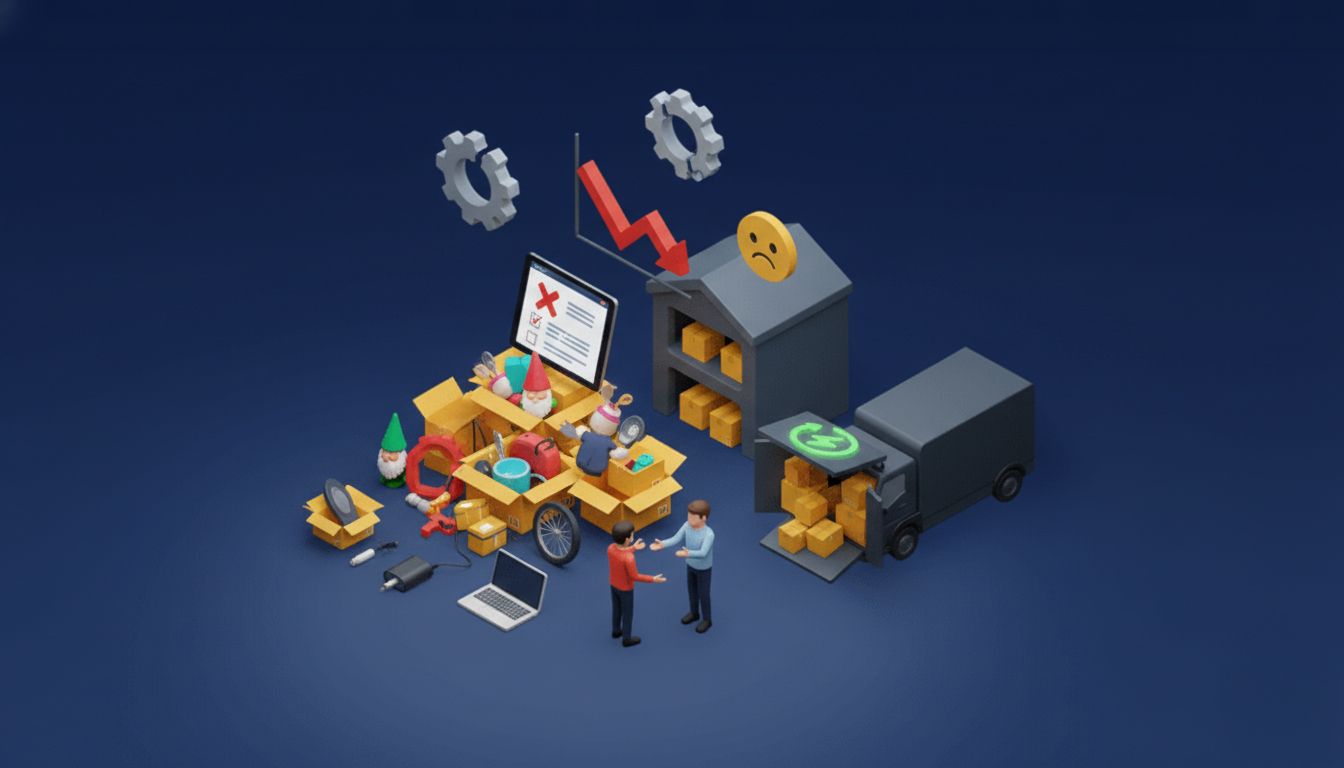
Split inventory that looks fine until it isn’t
Inventory lives in too many places: ERP, WMS, store POS, marketplaces, spreadsheets.
Each system shows a different number. Everyone believes theirs is correct.
Result: availability becomes a guess.
Example: Your Magento store shows 12 units. Your WMS has 4. Your store has 10.
The same units are counted twice. Orders ship, then cancel. The customer only sees the cancellation.
Delayed channel sync
Even a 10-minute delay can break promises during peak demand.
Orders stack up. Inventory updates lag. A product goes viral for 30 minutes. You oversell without noticing.
Channel sync is not a nice-to-have. It’s part of your promise engine.
Inconsistent rules across channels
- One channel allows partial fulfilment, another blocks it
- One allows address edits after payment, another doesn’t
- One captures phone numbers correctly, another drops them
Customers experience this as randomness. That’s when they say, “This brand is messy.”
Carrier handoffs that break visibility
Handoffs are normal. Visibility gaps are not.
The warehouse says “shipped.” The carrier says “manifested.” The tracking page shows nothing.
That gap drives tickets and escalations.
Channels disagree on order truth
Support sees “Delivered.” The customer says “Not received.” The carrier says “Left at door.”
This is not just a support issue. It’s a data alignment issue.
Key capabilities that improve CX
If omnichannel fulfilment is a CX function, these are the CX levers.
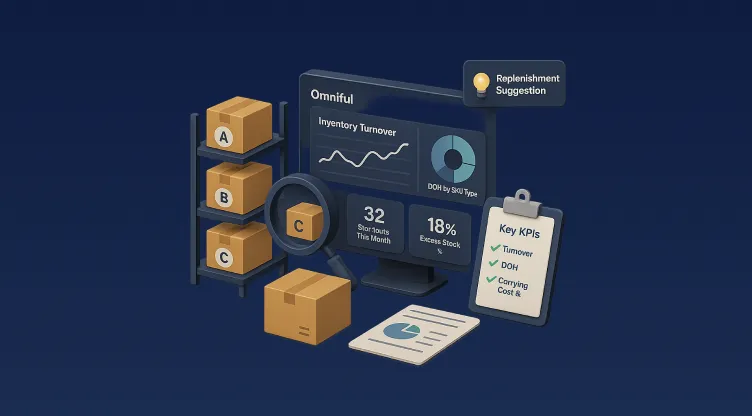
Unified inventory visibility teams can trust
This is the foundation.
What good looks like:
- One available-to-sell number across channels
- Clear reservation and allocation rules
- Inventory updates fast enough to matter
- Exceptions that are visible, not hidden
Distributed order management that matches reality
Distributed order management decides where to fulfil from.
It’s not about complexity. It’s about choosing the right node.
Examples:
- Fulfil from the closest node to meet ETA
- Fulfil from warehouses to protect store shelves
- Split only when it improves customer outcomes
- Route by constraints such as cutoffs, carrier coverage, or product type
Routing is not a rule. It’s a capability.
Promise logic that protects trust
Promise logic decides:
- Which delivery options to show
- What ETA to display
- When to stop offering unrealistic promises
Strong promise logic uses:
- Real stock availability
- Node cutoffs
- Carrier lead times
- Historical lane performance
Even small improvements here deliver major CX outcomes.
Returns flexibility with BOPIS and BORIS
Customers think in convenience, not channel architecture.
- BOPIS: Buy online, pick up in store
- BORIS: Buy online, return in store
When BOPIS fails, it feels insulting. When BORIS works, it builds confidence.
Both require accurate inventory, clear process discipline, and shared order state.
Proactive exceptions and calm communication
The best customer updates are early, clear, and boring.
Trigger workflows for:
- Label created but not picked up
- Picked up but no scan after a set window
- Arrived at hub but no movement beyond normal timing
Then communicate clearly:
- What is known
- What happens next
- When you will check again
Where a Magento 2 order management system fits
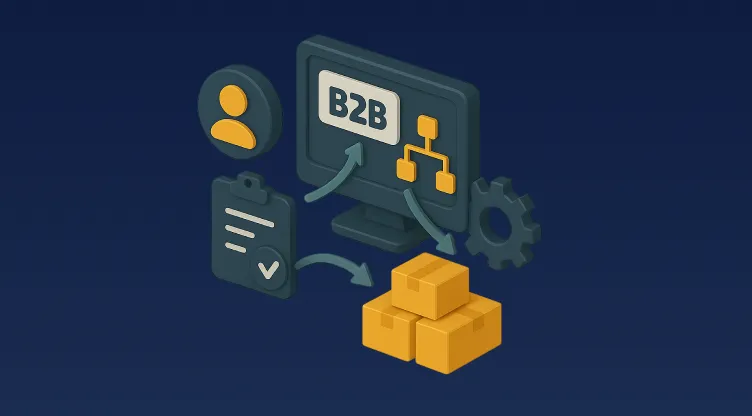
Magento, now part of Adobe Commerce, is a strong commerce layer. It handles storefronts, carts, promotions, checkout, and order capture.
As scale increases, teams realise that capturing orders is not the same as managing fulfilment.
Where a magento 2 order management system adds value
- One inventory truth across nodes and channels
- Smarter order routing
- Coordinated fulfilment steps
- Service workflows without manual reconciliation
Common Magento OMS paths teams consider
- Magento native capabilities with disciplined integrations
- Dedicated OMS functionality for routing and promises
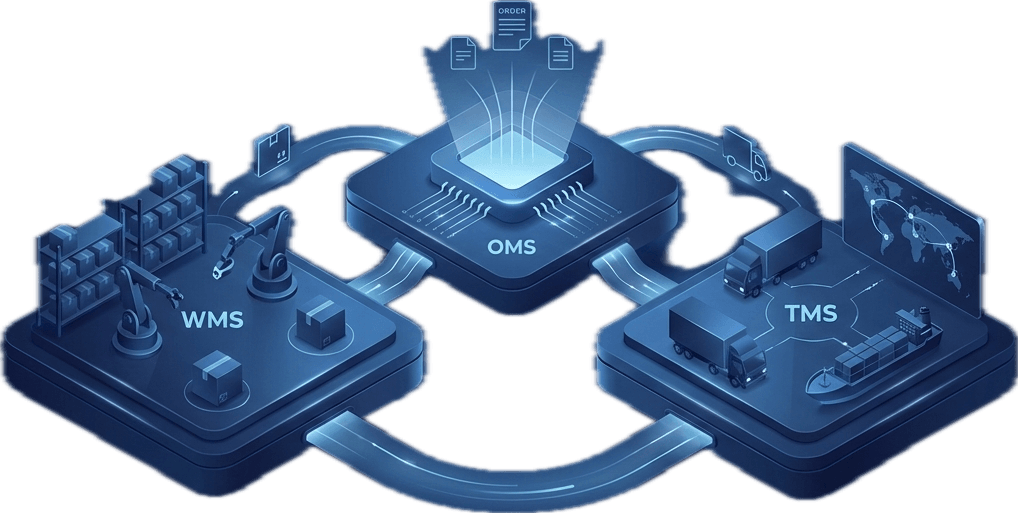
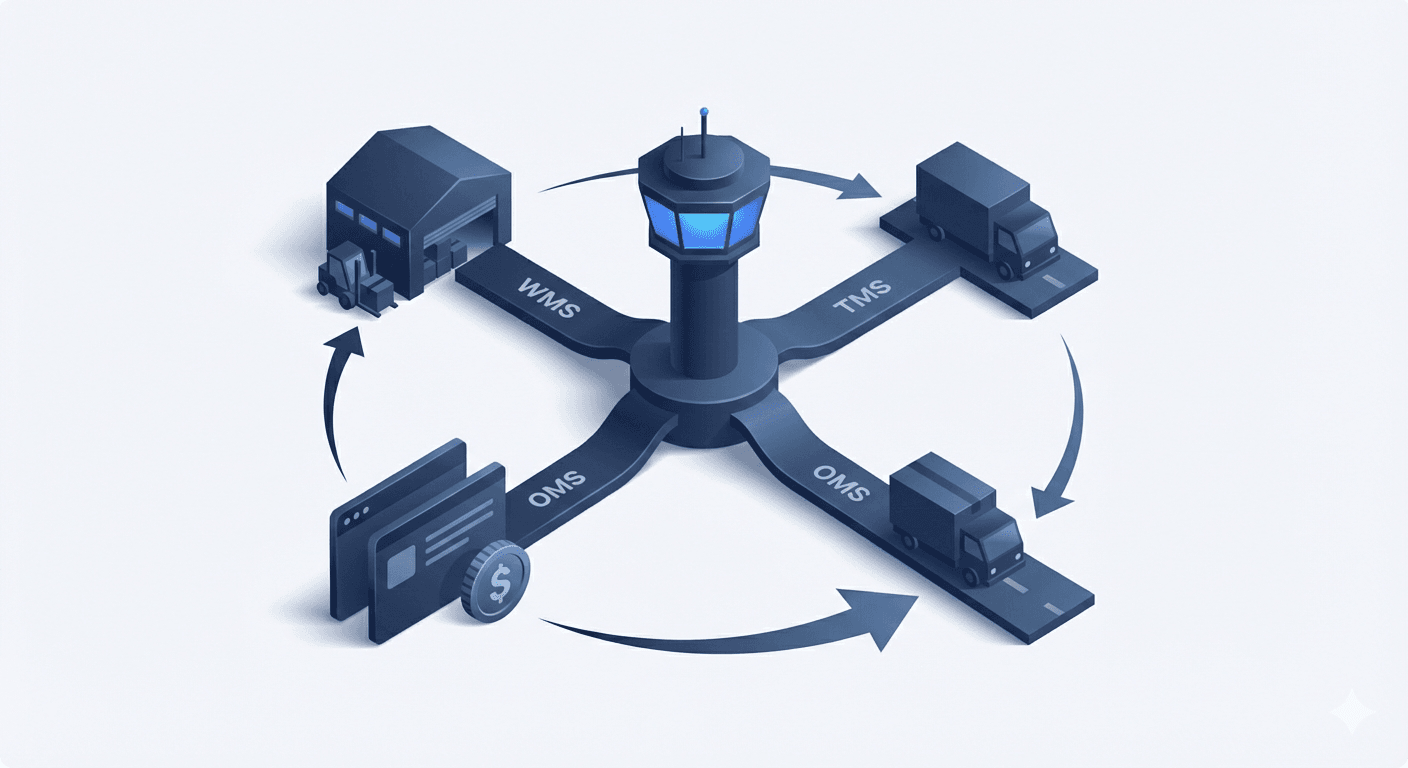
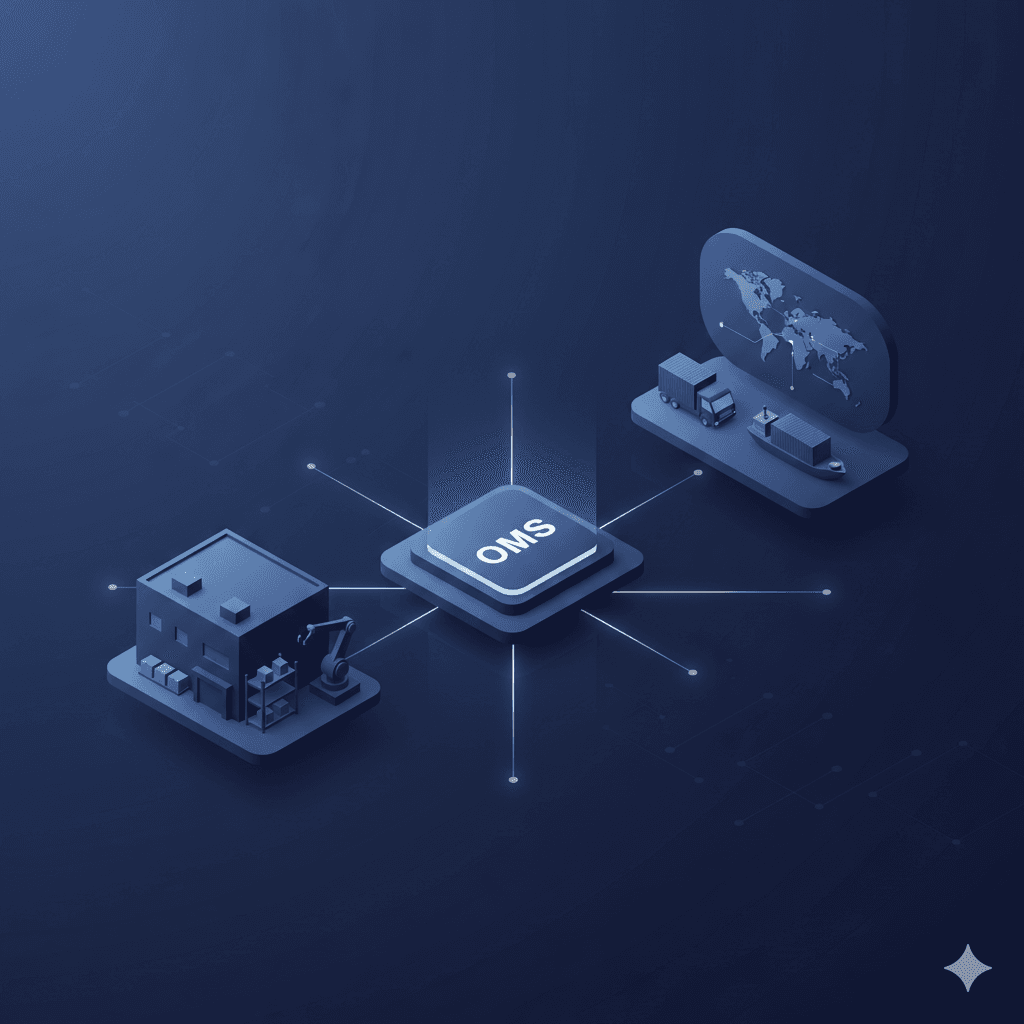
- A unified layer connecting OMS, WMS, and shipping systems
The goal is clarity, not complexity.
If stock accuracy is the issue, fix inventory truth first. If late deliveries are the issue, fix promise logic and routing. If support volume is the issue, fix visibility and exceptions.
Practical playbook for teams
Execution matters more than theory.
Quick wins for operations teams
- Create one inventory truth dashboard
- Tighten reservation rules during peak
- Standardise node cutoffs
- Document and test routing rules
- Review exception queues daily
Quick wins for customer support teams
- Use one internal status map
- Define normal silent windows by lane
- Create templates for delays, partials, and cancellations
- Standardise escalation checklists
Quick wins for ecommerce managers
- Audit availability messaging
- Make delivery and pickup options conditional
- Align promotions with fulfilment capacity
- Review channel sync delays and adjust allocation
A shared weekly habit
Run a promise review.
- Review 20 failed orders
- Tag root causes
- Fix the top two issues each month
Customer Experience Flywheel Notes
If you fix only three things this quarter, fix these.
- Fix inventory truth first
- Fix the promise layer
- Fix exceptions early
Everything else is secondary until these are stable.
FAQ
What is omnichannel fulfilment in simple terms?
It means fulfilling orders intelligently from any node while keeping inventory, routing, and order status consistent across channels.
How does omnichannel fulfilment improve CX outcomes?
It reduces cancellations, improves ETA accuracy, enables flexible pickup and returns, and lowers post-checkout surprises.
Why do cancellations happen even when items look in stock?
Because inventory is split, delayed in sync, or double-counted without proper reservations.
What are Magento OMS options for growing brands?
They usually include Magento with strong integrations, adding OMS capabilities for orchestration, or using a unified layer across order and fulfilment systems.
Where does a magento 2 order management system add the most value?
When you need one operating view of inventory and orders across multiple nodes with fewer manual exceptions.
What do BOPIS and BORIS require to work well?
Accurate inventory, fast channel sync, clear processes, and clean status visibility.
How do you reduce “Where is my order?” tickets?
Improve visibility, define normal timing windows, and trigger proactive exceptions.
Is omnichannel mainly a tech project?
No. It’s an operating model project. Technology enables it, but process alignment makes it real.
Conclusion
Omnichannel fulfilment is silent when it works. Customers only feel the outcome: deliveries arrive on time, pickups are smooth, returns are easy, and channels agree.
If systems don’t share inventory truth, if promise logic is optimistic, or if exceptions surface too late, CX suffers even with a perfect storefront.
Start with unified inventory visibility, realistic promises, and proactive exceptions.
And if you’re moving toward a connected operating model, platforms like Omniful help bring order, inventory, and fulfilment execution into one structured system. The goal is simple: fewer cancellations, better ETAs, and stronger customer trust.
Paylaş