Transportation Management Software for Delivery Control
İçindekiler

Paylaş


Transportation Management Software for Delivery Control
Delivery operations rarely fail because of one dramatic mistake. More often, control slips through a series of smaller gaps. A route gets assigned without enough context. A delay is noticed too late. A customer asks for an update, but the team is still waiting for the carrier to respond. A shipment technically moved, but nobody has a clear view of where it stands or whether it will arrive on time.
That is why Transportation management software has become a much more strategic system in 2026. It is not only a tool for planning shipments or assigning carriers. It is the layer that helps businesses improve delivery control, strengthen real-time visibility, and make logistics performance easier to manage at scale.
For companies handling high delivery volumes, multiple carriers, regional operations, or rising customer expectations, visibility is no longer a nice addition. It is part of operational discipline. Businesses need to know where shipments are, how routes are performing, which carriers are consistent, and where delays or inefficiencies are emerging. A strong Transportation management system (TMS) helps make that possible.
This guide explains how transportation management software improves delivery control and visibility, why it matters for logistics performance, and what decision-makers should understand when evaluating TMS capabilities.
Why delivery control is now a business-critical capability
Delivery control is often discussed as an operations issue, but it affects much more than dispatch execution. It influences customer experience, internal coordination, service reliability, and cost efficiency.
When delivery operations are difficult to track, teams become reactive. Support teams spend time chasing updates. Operations teams work around delays instead of managing them early. Leadership sees KPI movement after the fact, but not always the reasons behind it. In that environment, even a capable logistics team struggles to improve consistently.
The problem becomes more visible as the network grows. More carriers, more zones, more delivery promises, and more customer touchpoints create more points of failure. Without a control layer, transportation becomes harder to manage with confidence.
That is where Transportation management software adds value. It gives businesses a structured way to plan deliveries, track execution, respond to issues, and analyze performance. The result is not only better visibility, but stronger day-to-day control over how shipments move through the network.
What transportation management software actually helps you control
A good TMS does more than show the status of a shipment. It helps teams control the decisions and workflows that shape delivery performance in the first place.
That includes route planning, dispatch logic, carrier assignment, real-time tracking, ETA monitoring, exception alerts, proof of delivery, and performance reporting. It also gives different teams access to the same operational picture, which improves coordination across logistics, customer service, and management.
This is why many businesses now see delivery tracking systems as part of a broader transport control strategy rather than as standalone visibility tools. The value is not just in seeing movement. It is in managing the delivery journey with more consistency, speed, and accountability.
When a TMS is working well, teams can answer practical questions more easily. Is this shipment on track? Which routes are creating delays? Which carriers are underperforming? What is affecting the on-time delivery KPI? Where are exceptions rising? Which parts of the network need attention now rather than later?
Those answers are what turn transportation from a reactive cost center into a more measurable and controllable function.
How transportation management software improves delivery control and visibility
Real-time shipment tracking across the delivery journey
One of the most immediate benefits of a TMS is stronger shipment visibility. A platform that integrates with carriers, GPS data, driver apps, or transport feeds can provide live or near-real-time updates on shipment status, location, and expected progress.
This improves delivery control because teams no longer have to rely on fragmented updates or manual follow-up. They can monitor active shipments from a central system, identify which deliveries are moving as planned, and respond faster when something changes.
This is also where the difference between basic tracking and true visibility becomes clear. Real-time visibility is not only about a location ping. It is about knowing whether the shipment is aligned with its delivery promise, whether the ETA is changing, and whether the business should intervene.
For businesses asking how transportation management software improves delivery visibility, this is one of the clearest answers. It centralizes transport status, reduces blind spots, and gives teams current operational insight instead of delayed reporting.
Route planning and dispatch optimization
Control begins before a shipment leaves the warehouse or hub. If routes are poorly planned or dispatch decisions are inconsistent, visibility alone will not fix downstream performance.
A TMS improves this by supporting smarter route design, dispatch sequencing, stop planning, and resource assignment. It helps operations teams create more efficient trips based on delivery locations, load constraints, service priorities, and fleet or carrier availability.
This planning capability has a direct impact on performance. Better route logic can reduce wasted movement, improve delivery sequence, and increase the likelihood of meeting service windows. It also creates the foundation for better execution data later, because transport decisions start from a more structured plan.
For businesses trying to improve delivery control, route optimization is not just about fuel or travel time. It is about increasing predictability across the entire delivery process.
Delay alerts and exception management
Visibility becomes much more valuable when it leads to action. A strong TMS does not simply display shipment movement. It also flags events that need attention.
That may include late departures, missed milestones, route deviations, delayed stops, failed delivery attempts, or other transport exceptions. Instead of waiting for a complaint or a post-delivery review, teams can identify issues while the shipment is still in motion.
This is one of the most practical ways a Transportation management system (TMS) improves delivery control. It shortens the time between problem detection and operational response. That gives businesses more room to recover service levels, inform customers early, or take corrective action before small issues become bigger ones.
Exception management also improves internal discipline. Repeated delays, recurring route failures, or specific carrier issues become easier to spot when the system captures and surfaces them consistently.
Carrier performance tracking and accountability
Delivery performance is heavily influenced by carrier quality, but many businesses still review carriers with incomplete or inconsistent information. A TMS makes that evaluation more structured by turning live transport data into measurable performance views.
This is where carrier performance analytics and supply chain carrier evaluation become more useful. Instead of relying on anecdotal feedback or isolated complaints, teams can assess carrier performance through actual delivery outcomes.
That may include on-time delivery, delay frequency, proof of delivery compliance, route completion quality, failed attempts, or service consistency across regions. Over time, this gives the business a stronger basis for carrier selection, contract review, and operational improvement.
For businesses operating with multiple carrier partners, this is essential. Delivery control is much harder to improve when the performance of those partners remains opaque.
Delivery analytics and KPI reporting
Operational control becomes sustainable when it is measurable. A TMS supports that through reporting and analytics that show not only what happened, but where performance is trending and where intervention may be needed.
Strong TMS reporting and analytics help businesses track service quality, delay patterns, operational bottlenecks, and route or carrier performance. This is especially relevant for organizations focused on logistics KPIs 2026, where real-time insight and continuous improvement are increasingly expected.
A useful system can help teams monitor the on-time delivery KPI, delivery accuracy, exception rates, route productivity, and broader logistics performance metrics tied to speed, consistency, and service reliability. The value here is not only reporting for management. It is reporting that helps operations teams act earlier and improve the network more intentionally.
For businesses expanding across different geographies, including those focused on transportation analytics MENA, region-specific performance visibility becomes even more important. Market conditions, carrier quality, and delivery expectations often vary by region, which makes localized analytics more valuable.
Proof of delivery and execution accuracy
A delivery is not fully controlled until execution is confirmed. Proof of delivery helps close the loop between dispatch and completion.
A TMS can support proof of delivery through timestamps, location confirmation, digital signatures, photos, or mobile driver updates. This improves delivery accuracy, reduces disputes, and gives both operations teams and support teams a clearer view of what actually happened at the final mile.
It also strengthens accountability. If a shipment is marked as completed, the business can verify when and where that happened. If there is an issue, the record is easier to review. In high-volume delivery environments, this matters because execution gaps are expensive when they remain ambiguous.
Why delivery visibility matters more in 2026
Delivery visibility matters more now because logistics expectations have changed. Customers expect better updates. Businesses expect tighter service control. Leadership teams expect transportation data to support decisions, not just explain problems after they happen.
At the same time, delivery networks have become more complex. Regional carrier mixes, higher shipment volumes, tighter delivery windows, and rising support expectations all increase the need for accurate, timely visibility.
That is why Transportation management software is no longer just a tool for transport teams. It is part of the broader operational infrastructure that supports customer experience, cost management, and service consistency.
Visibility in 2026 is not simply about knowing that a shipment is somewhere in transit. It is about understanding whether the network is performing as expected, whether customers are likely to be affected, and whether the business has enough lead time to respond intelligently.
What KPIs improve with transportation management software
A TMS can influence several important operational outcomes, especially when it is implemented with clear workflows and reliable integrations.
One of the most important is the on-time delivery KPI, because better route planning, more accurate tracking, and earlier exception detection all support stronger delivery consistency. Delivery accuracy often improves as well, especially when proof of delivery and execution validation are built into the workflow.
Carrier performance becomes easier to measure, which improves contract oversight and route assignment decisions. Operational teams also gain clearer views into route efficiency, delay trends, and network responsiveness. Over time, these improvements shape broader logistics performance metrics tied to cost, service quality, and operational control.
The real value is that a TMS does not improve KPIs by reporting them more neatly. It improves them by helping teams make better transport decisions before and during execution.
Common delivery control problems a TMS helps solve
Many logistics operations share the same recurring issues. Shipment updates arrive from different places. Teams do not know about delays until they become visible to the customer. Carrier performance is hard to compare consistently. Support teams spend too much time tracking down status information. Management sees weekly or monthly reports, but not enough real-time context to steer performance day to day.
A good TMS helps solve these problems by turning scattered transport data into a usable operating view. It makes delivery progress easier to monitor, delays easier to identify, carrier performance easier to review, and service issues easier to address before they escalate.
That is why the benefits of TMS for delivery control and tracking are not limited to operational convenience. They improve the quality of decisions across the business.
What to look for when evaluating transportation management software
When evaluating Transportation management software, the most important question is not whether the platform has tracking. Most platforms claim that. The more important question is how well the software supports the actual realities of your delivery network.
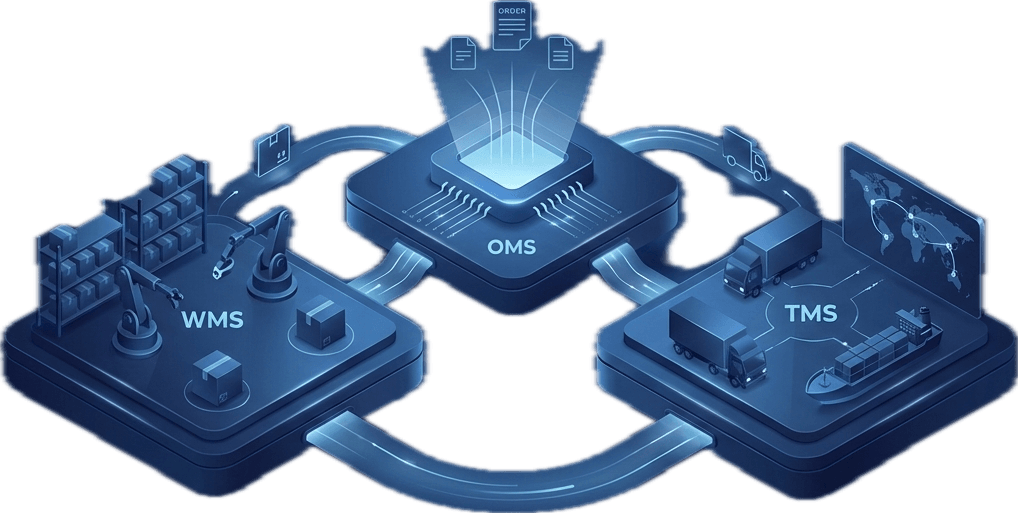
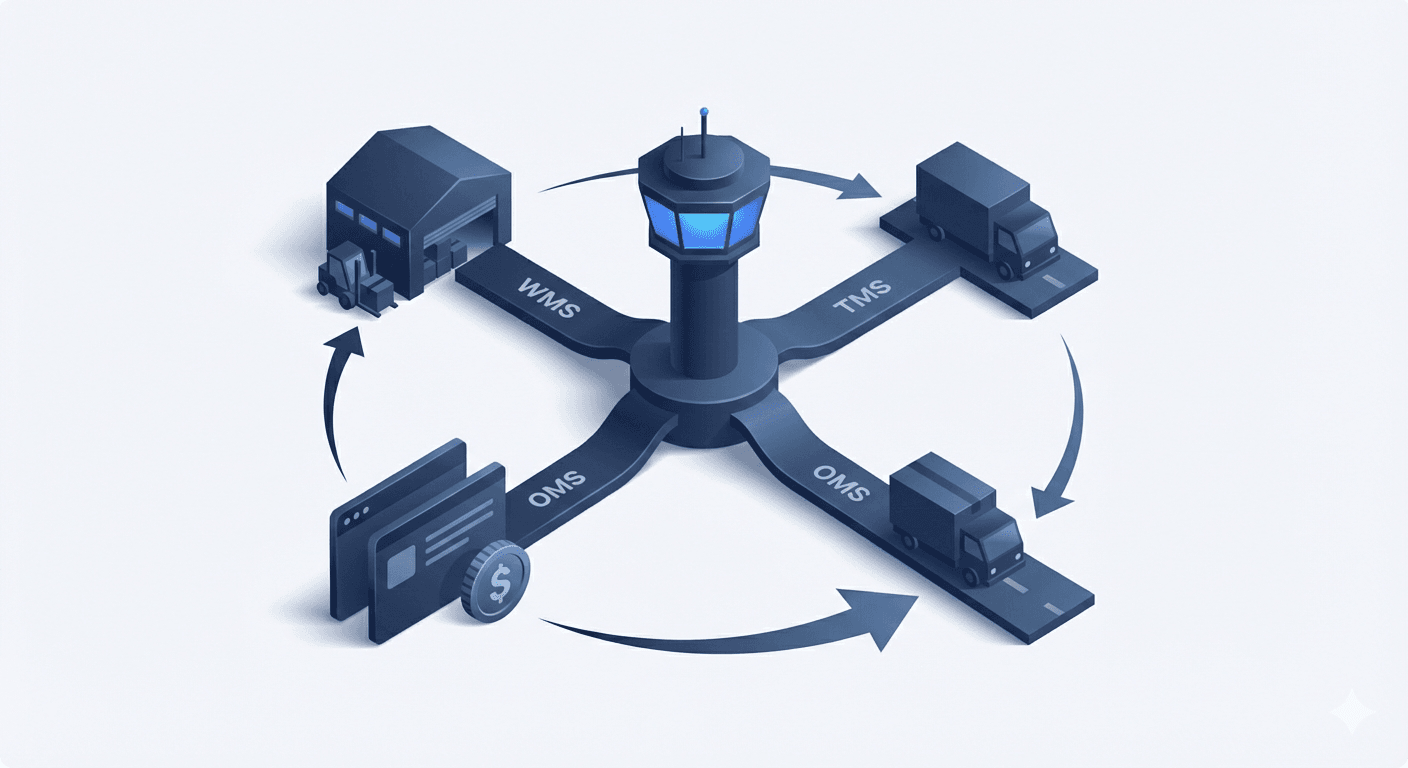
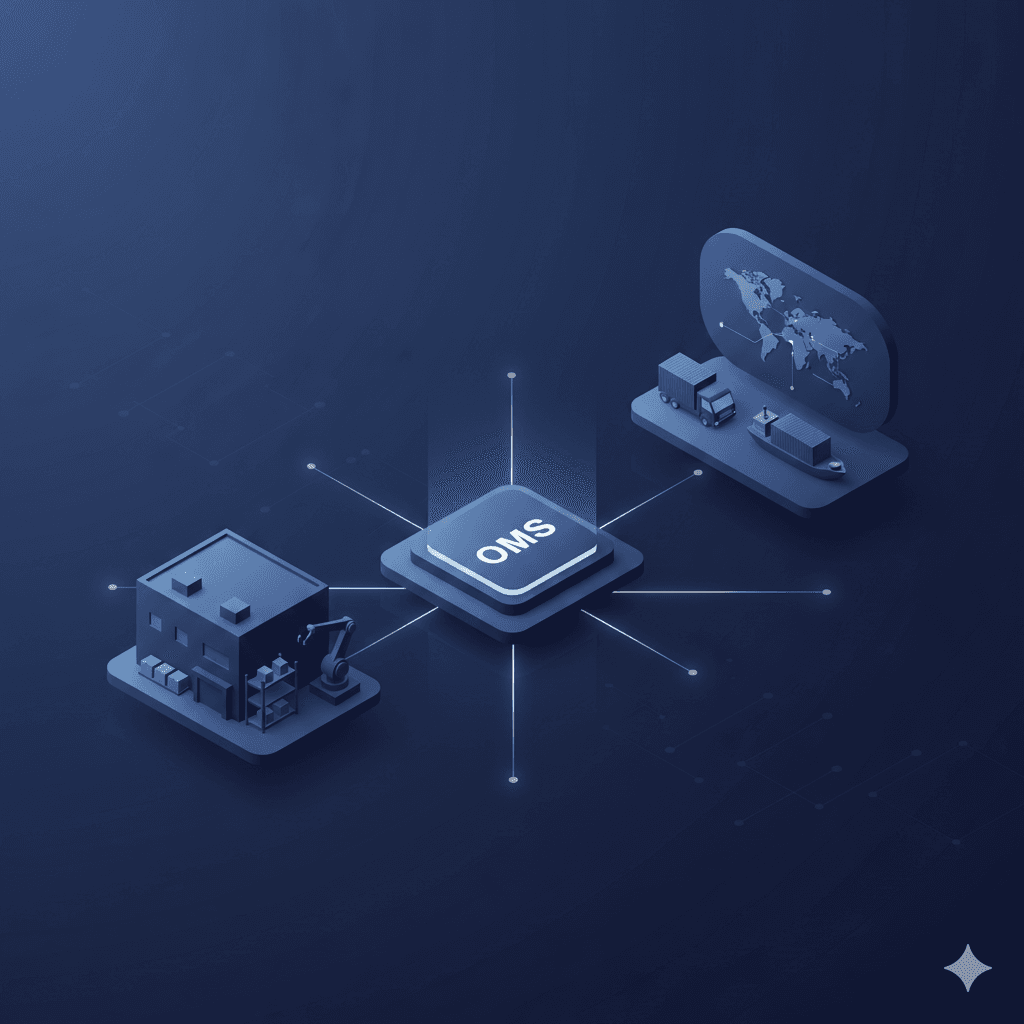
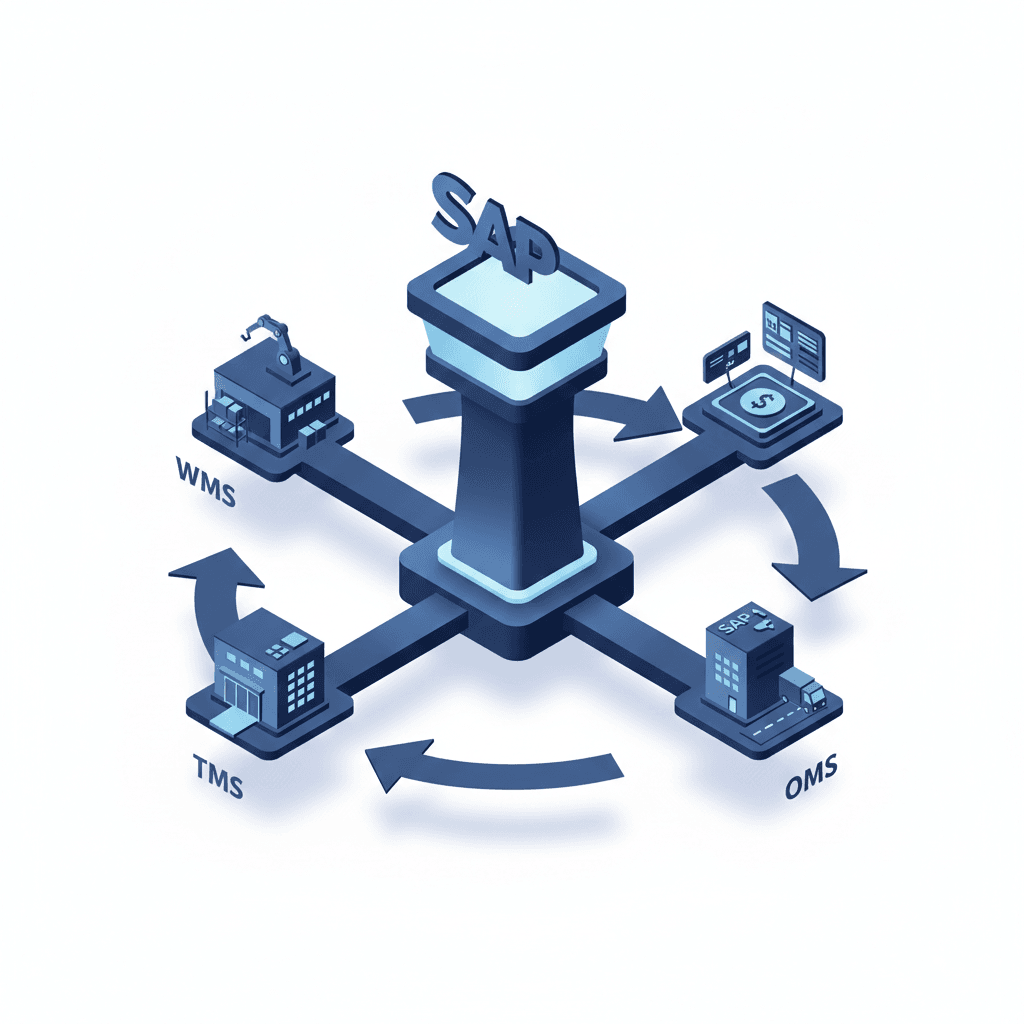
A strong system should support real-time shipment monitoring, route planning, carrier coordination, exception alerts, proof of delivery, and useful performance reporting. It should also integrate well with the systems around it, including order, warehouse, and carrier environments.
Usability matters as well. If dispatch teams, operations managers, and support teams cannot work comfortably within the system, adoption will suffer and visibility will remain fragmented. Reporting depth matters too, especially for businesses that want to improve performance over time rather than simply observe daily activity.
The best-fit TMS is the one that strengthens operational control in the areas where your current delivery process is weakest. For some businesses, that means live tracking. For others, it means better routing, stronger carrier oversight, or more useful analytics. The right platform should support both current visibility needs and future scale.
Final thoughts on transportation management software for delivery control
In 2026, Transportation management software plays a much bigger role than shipment monitoring alone. It helps businesses create a more controlled delivery operation by improving route planning, real-time tracking, exception response, carrier accountability, and performance analysis.
That is why the case for Transportation management software is no longer only about operational efficiency. It is also about service reliability, customer confidence, and the ability to manage logistics performance with more clarity and precision.
For businesses that want better delivery visibility, the real goal should not be visibility for its own sake. It should be visibility that improves control. A capable Transportation management system (TMS) helps make that possible by turning transport execution into something teams can monitor, measure, and improve with confidence.
If your delivery network still depends too heavily on manual updates, delayed issue detection, or fragmented status data, that is usually a sign that transport control is weaker than it should be. The right TMS helps close that gap and gives the business a stronger foundation for efficient, customer-focused logistics operations.
FAQs
How does transportation management software improve delivery control?
Transportation management software improves delivery control by automating route planning, tracking shipments in real time, surfacing delays or exceptions early, and helping teams manage carrier performance with better data.
What is delivery visibility in logistics?
Delivery visibility in logistics is the ability to monitor shipment status, location, ETA, and performance across the transport journey. It helps businesses respond faster to delays and provide more accurate updates.
How does a TMS provide real-time tracking?
A TMS provides real-time tracking by integrating with carriers, GPS systems, driver apps, or telematics tools to capture live shipment updates, estimated arrival times, and movement milestones.
Why is delivery visibility important in 2026?
Delivery visibility is important in 2026 because businesses need stronger service reliability, customers expect better updates, and logistics teams need timely data to reduce delays and improve operational decisions.
What KPIs improve with transportation management software?
Transportation management software can improve KPIs such as on-time delivery, delivery accuracy, carrier performance, exception response time, and broader logistics efficiency.
How do you track shipments using TMS?
Businesses track shipments using TMS by connecting the platform to carriers or tracking data sources, then monitoring live status, route progress, ETA shifts, and delivery events from a centralized dashboard.
Paylaş