Automated Order Fulfillment in 2026: Benefits, Challenges & Business Impact
İçindekiler

Paylaş


Automated Order Fulfillment: Benefits, Challenges, and Future Trends for Modern Businesses
Introduction
Businesses today are under constant pressure to optimise operations, simplify workflows, and meet rising customer expectations. As order volumes grow and delivery timelines shrink, manual fulfilment processes become harder to sustain.
This is where automated order fulfillment comes in. It helps businesses streamline operations, improve efficiency, and reduce delays across the order lifecycle.
From faster delivery times to lower operating costs, fulfilment automation has become a proven advantage for modern businesses. But like any technology investment, it also comes with trade-offs.
In this blog by Omniful, we explore the benefits, implementation challenges, and future trends of automated order fulfillment to help you make an informed decision.
Benefits of Automated Order Fulfillment
1. Faster Fulfillment Times
One of the biggest advantages of automated order fulfillment is the reduction in time between order placement and delivery.
Traditional fulfilment processes rely heavily on manual picking, packing, and shipping. These steps are often time-consuming and prone to human error.
With automation, businesses can significantly speed up order processing using:
- Robotics
- Conveyor systems
- Automated storage systems
- Intelligent fulfilment software
These systems can handle multiple tasks at the same time, improve picking accuracy, and reduce delays. The result is:
- Faster deliveries
- Fewer fulfilment errors
- Lower return rates
- Better customer satisfaction
Automation has also made same-day and next-day delivery models more achievable, especially for e-commerce businesses competing on customer experience.
2. Cost Reduction in Operations
Automated order fulfillment can also help reduce operational costs over time.
Manual fulfilment requires significant labour for picking, packing, shipping, and inventory coordination. This often leads to:
- Higher labour costs
- Overstaffing during slow periods
- Understaffing during peak periods
- Increased errors and wastage
Automation helps reduce these inefficiencies by improving process consistency and lowering dependency on repetitive manual work.
Additional cost-saving benefits include:
- Better inventory accuracy
- Fewer fulfilment mistakes
- Reduced returns and reshipments
- Lower product damage and handling loss
Automated systems can also track stock levels in real time, helping businesses avoid both overstocking and stockouts.
3. Scalability and Flexibility in Fulfillment
As businesses grow, fulfilment demand grows with them—especially during seasonal peaks, promotions, and sales events.
Automated fulfilment systems offer the scalability and flexibility needed to handle these fluctuations more effectively.
With automation, businesses can scale by:
- Expanding fulfilment capacity
- Adding more automation units or processing lines
- Increasing throughput without proportionally increasing headcount
- Standardising operations across multiple fulfilment centres
These systems are designed to adapt to changing volumes, helping businesses maintain service levels during peak demand while reducing bottlenecks.
Automation also supports growth into new markets and product categories without putting excessive strain on existing fulfilment processes.
Challenges of Implementing Automated Order Fulfillment
1. High Initial Investment
Despite the benefits, one of the biggest barriers to automation is the upfront cost.
Implementing automated order fulfillment often requires investment in:
- Robotics and conveyor systems
- Automated storage and retrieval systems
- Scanning and sorting infrastructure
- Software platforms and integration tools
For small and medium-sized businesses, this capital investment can be difficult to justify initially—especially if ROI timelines are unclear.
While automation can deliver long-term savings, businesses should plan implementation carefully and evaluate:
- Expected order volumes
- Labour cost pressures
- Error-related losses
- Long-term scalability goals
2. Integration with Existing Systems
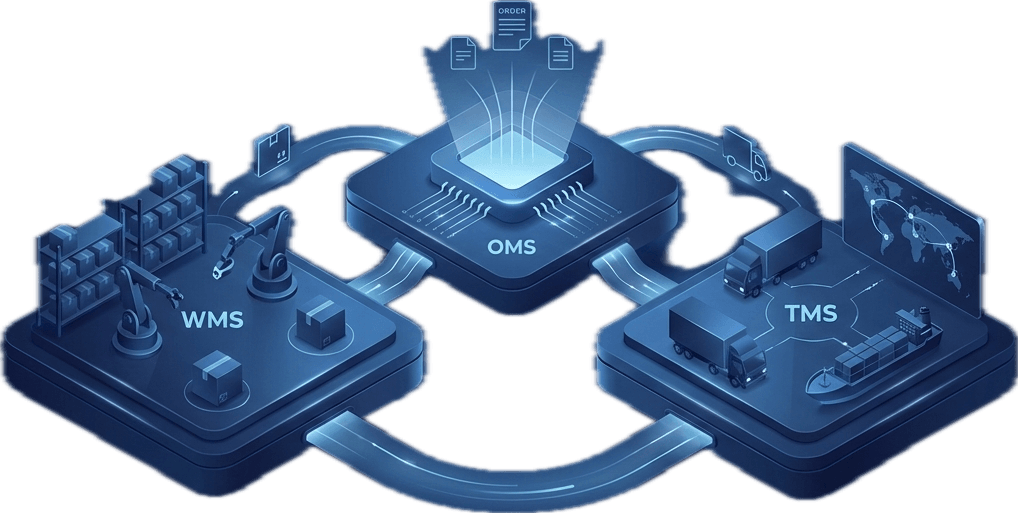
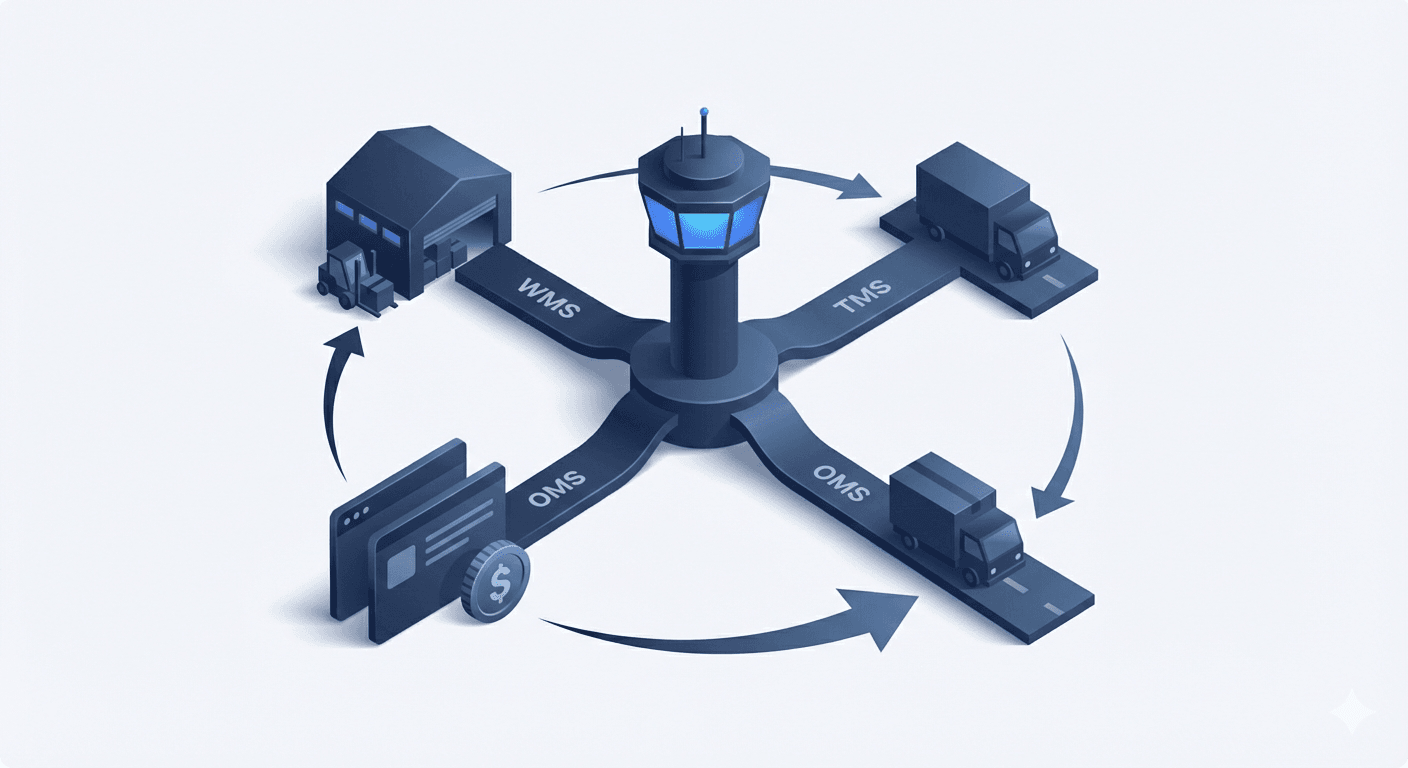
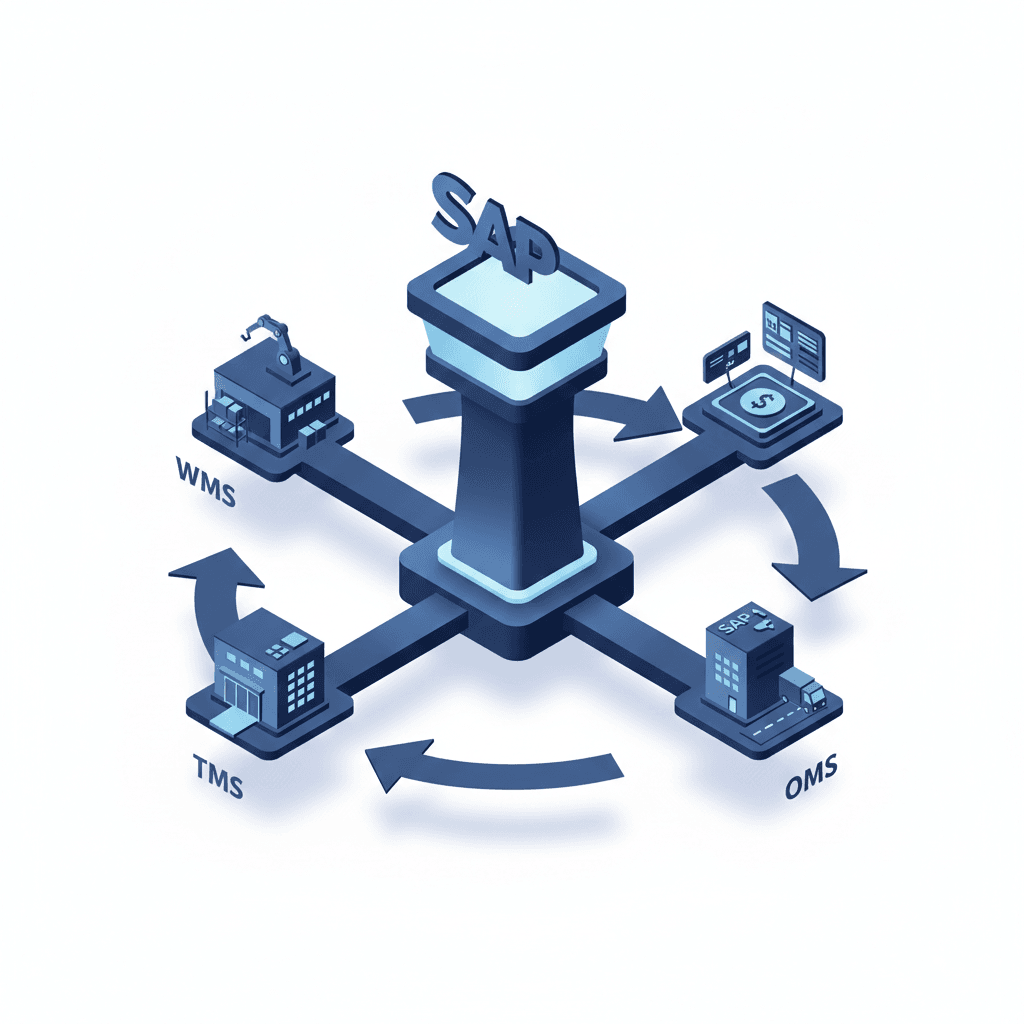
Another common challenge is integrating automation with existing systems such as:
- WMS (Warehouse Management System)
- OMS (Order Management System)
- E-commerce platforms
- ERP systems
Many businesses still operate on legacy systems that are not designed to work seamlessly with modern automation tools. This can make implementation slower, more complex, and more expensive.
To avoid disruption, businesses should prioritise solutions that offer:
- Flexible APIs
- Plug-and-play integrations
- Scalable architecture
- Support for existing workflows
Future Trends in Automated Order Fulfillment
As technology continues to advance, automated order fulfillment is expected to become even more intelligent and efficient.
Here are two key trends shaping the future:
1. Autonomous Delivery and Drones
Autonomous delivery vehicles and drones are among the most talked-about innovations in fulfilment.
These technologies aim to improve last-mile delivery by reducing reliance on manual delivery operations and increasing delivery speed.
Potential future applications include:
- Self-driving delivery vehicles
- Sidewalk delivery robots
- Drone-based local parcel delivery
While adoption timelines vary by region and regulation, these innovations could significantly reshape how businesses handle last-mile logistics in the years ahead.
2. Predictive Analytics and Demand Forecasting
Predictive analytics helps businesses use historical data and customer behaviour patterns to forecast demand more accurately.
With AI-driven forecasting, businesses can:
- Anticipate demand shifts
- Improve inventory planning
- Reduce overstocking and stockouts
- Optimise fulfilment capacity during peak periods
Predictive analytics also helps businesses make better decisions about:
- Product planning
- Pricing strategies
- Promotional timing
- Supply chain readiness
By combining automation with predictive planning, businesses can build more responsive and resilient fulfilment operations.
Conclusion
Automated order fulfillment is transforming how businesses manage operations by improving speed, reducing costs, and increasing scalability.
At the same time, implementation requires careful planning—especially around upfront investment and system integration.
Looking ahead, innovations such as autonomous delivery and predictive analytics will continue to strengthen the value of fulfilment automation.
While adoption can be complex, the long-term benefits often outweigh the challenges for businesses aiming to stay competitive in a fast-moving market.
To seamlessly implement an Order Management System in your business, contact us today and explore how Omniful can support your fulfilment transformation.
FAQs
1. What is automated order fulfillment?
Automated order fulfillment is the process of receiving, picking, packing, and shipping customer orders using software, machines, and automated systems such as robots and conveyors. It reduces manual work, improves accuracy, and speeds up delivery operations.
2. What are the main benefits of automated order fulfillment?
Key benefits include:
- Faster order processing
- Lower operational costs
- Better scalability during peak periods
- Improved inventory visibility and control
- Reduced fulfilment errors
These improvements help businesses deliver orders more efficiently and improve customer satisfaction.
3. What challenges do businesses face when implementing automated order fulfillment?
Common challenges include:
- High upfront investment in equipment and software
- Integration complexity with existing systems
- Change management and workforce adaptation
However, for many businesses, the long-term efficiency gains and cost savings outweigh the initial implementation challenges.
Paylaş