Ecommerce Return Management Software Checklist for Faster Refunds
İçindekiler

Paylaş


Ecommerce Return Management Software Checklist for Faster Refunds
TL;DR
Great returns software acts like a control tower for reverse logistics, not just an inbox for return requests.
Faster refunds come from tight links between return initiation, inspection, restock, and payment actions.
A strong order management system supply chain setup improves returns by controlling validation, allocation rules, and exceptions.
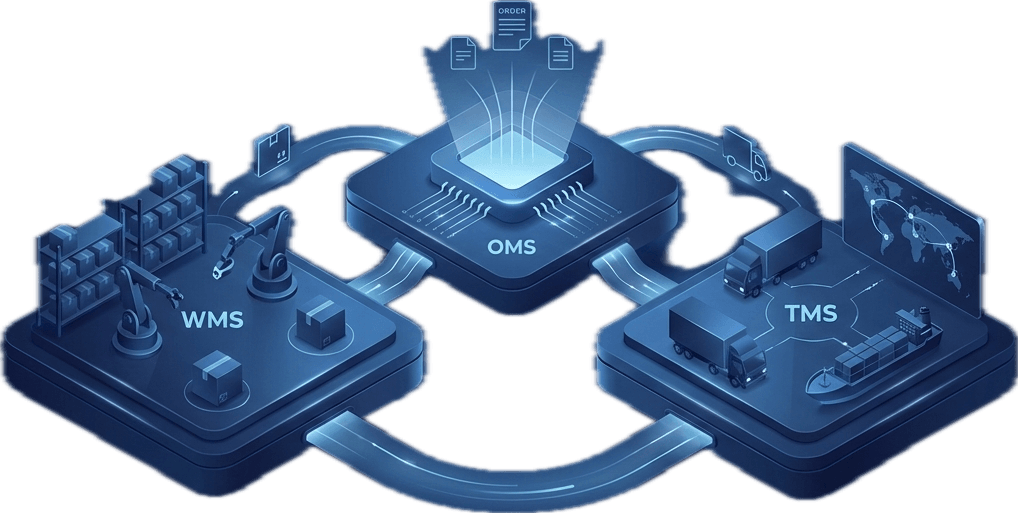
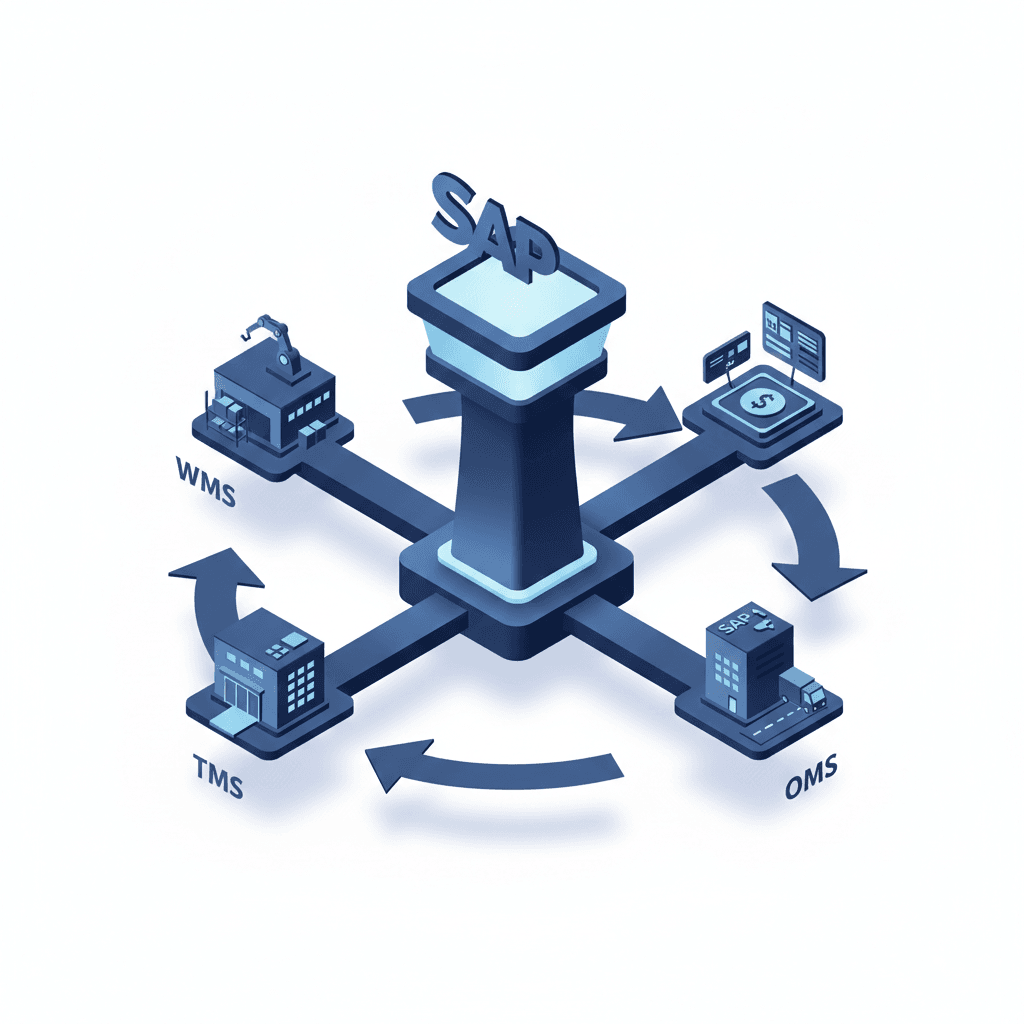
OMS vs WMS vs TMS: OMS decides and coordinates, WMS executes in the warehouse, TMS executes transportation.
Watch inventory latency and “where is my return?” gaps. They break trust and retention.
Introduction: Returns as a Control Tower Problem
Returns are not just a policy. They are a workflow.
For most ecommerce brands, returns are where customer trust is either rebuilt quickly or slowly lost.
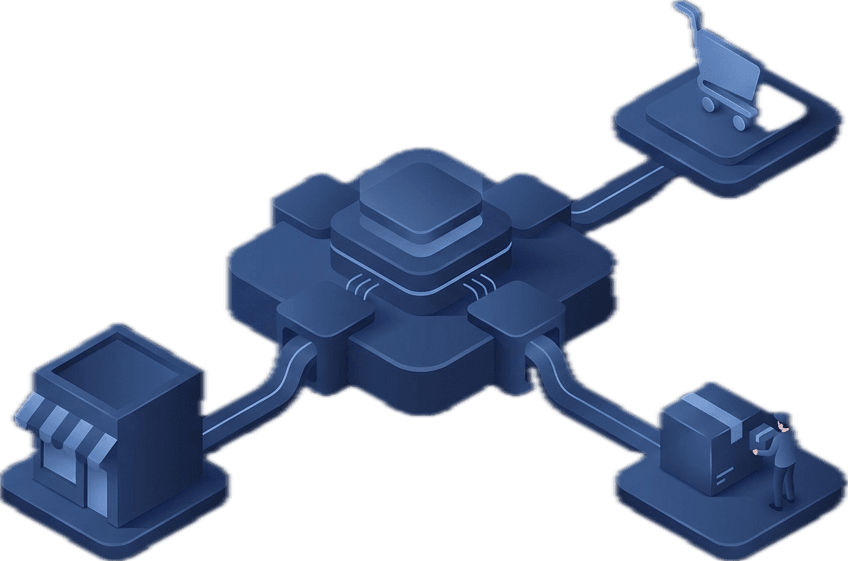
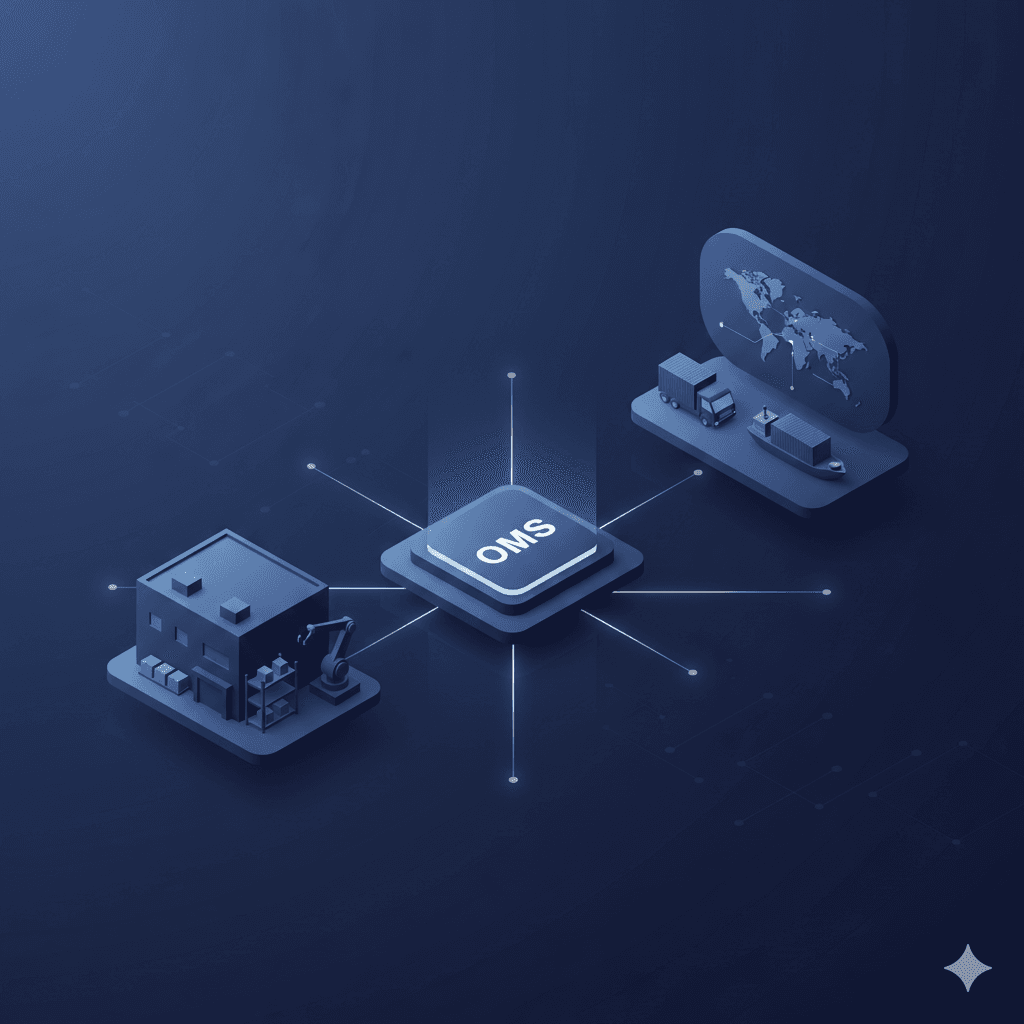
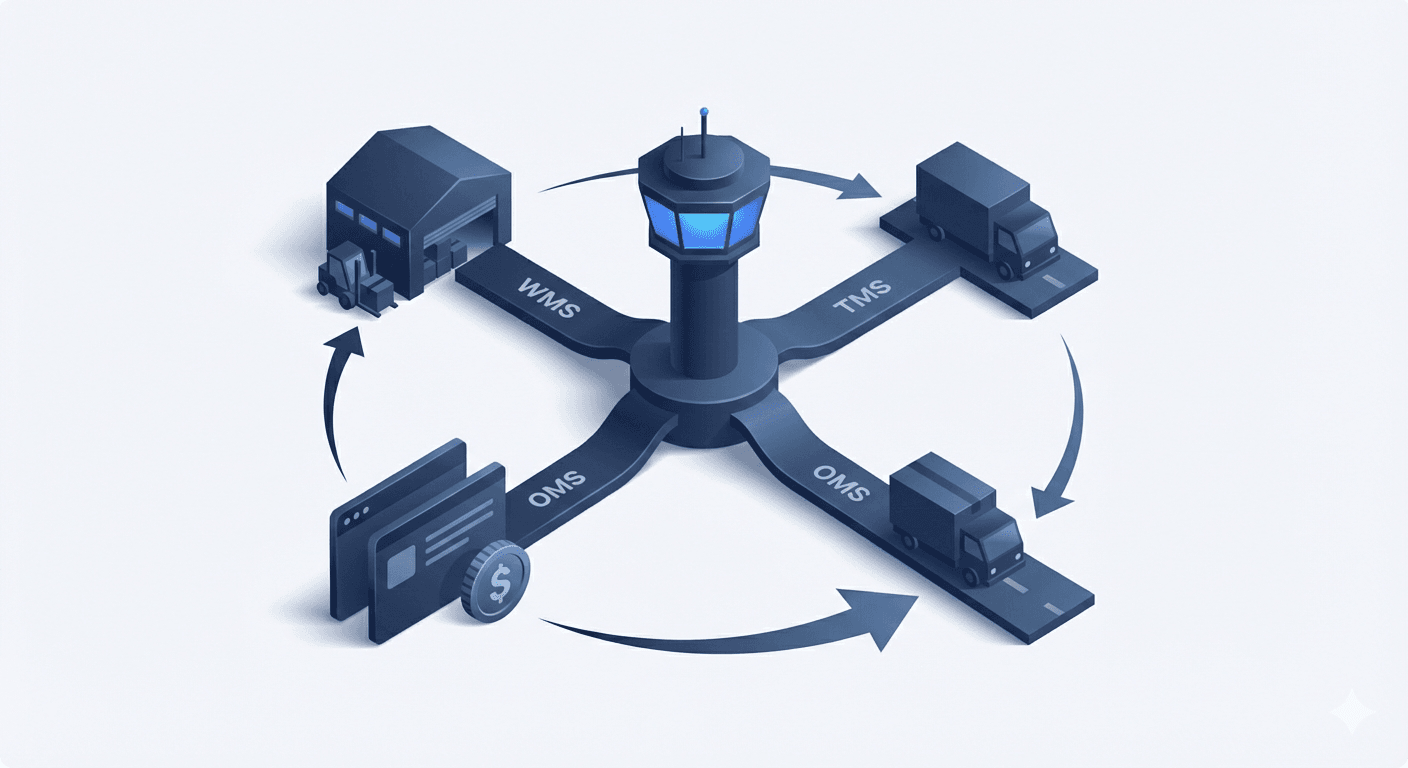
Think of return management software as a control tower. Like air-traffic control, it does not “fly the plane.” It directs what happens next. It routes work. It handles exceptions. It keeps every system aligned.
A Simple Returns Scenario
An order is placed online, fulfilled from a store, and shipped via a carrier.
The customer receives it, decides to return it, and expects a fast refund.
Behind the scenes, multiple systems must agree on the same truth:
- What was shipped
- What is being returned
- Where it is going
- When it will arrive
- How it will be inspected
- When money will move
This is where order management in the supply chain becomes real. Returns are a post-purchase phase of the order lifecycle in SCM. If the control tower is weak, refunds slow down, support tickets rise, and retention drops.
What an OMS Controls in the Supply Chain
An OMS (Order Management System) is the decision layer of the supply chain.
It keeps order data consistent from checkout to delivery and into returns.
Order Capture and Normalization
The OMS ingests orders from channels such as storefronts, marketplaces, and POS systems.
It normalizes:
- Items and quantities
- Addresses and regions
- Taxes and payment status
- Customer identifiers
Clean order data reduces confusion when a return starts.
Validation Rules
The OMS enforces return logic before execution begins.
Typical validations include:
- Return eligibility by item
- Return window checks
- Fulfillment source verification
- Ordered vs shipped item mismatches
Returns begin with clean facts, or they stall later.
Allocation and Inventory Availability
Allocation decides which inventory serves which order.
Inventory availability affects:
- Exchanges and replacements
- Immediate refunds vs wait states
- Promise dates for replacements
Returns cannot be fast if allocation logic is weak.
Orchestration and Fulfillment Node Selection
Orchestration coordinates actions across systems.
The OMS often selects:
- Warehouse vs store fulfillment
- Return destinations for inspection or refurb
- Optimal nodes for restocking
Returns benefit from the same routing logic as forward fulfillment.
Promise Dates and Customer Expectations
Promise dates are commitments, not estimates.
A strong OMS manages promise dates based on:
- Inventory availability
- Cutoffs and capacity
- Carrier performance
Returns also need promise dates, such as refund timelines, even if teams forget to define them.
Exception Workflows
Exceptions are not edge cases. They are daily work.
Common return exceptions include:
- Wrong item returned
- Damaged or missing items
- Partial returns
- Lost return shipments
The OMS routes these exceptions with rules, approvals, and audit trails.
What an OMS Does Not Control
Slow returns often come from unclear system boundaries.
An OMS should not do everything.
Warehouse Execution Details
The OMS may request inspection or restocking.
It does not handle:
- Scanning paths
- Bin locations
- Putaway logic
- Cycle counts
These belong to the WMS.
Transportation Execution
The OMS may decide that a pickup is required.
It does not manage:
- Driver assignment
- Route planning
- Dispatch operations
- Proof of pickup or delivery
These belong to the TMS or carrier systems.
Physical Grading and QC Work
The OMS defines grading rules.
People and warehouse processes perform the actual quality checks.
The system records outcomes but does not replace execution.
Think of it this way:
OMS directs WMS executes warehouse work TMS executes transportation
Asking the OMS to do execution slows everything down.
OMS vs WMS vs TMS: A Simple Comparison
OMS: Decides and Coordinates
Examples:
- This order ships from Store 12, not Warehouse A
- This return goes to the refurb hub
- Refund is triggered after Grade A inspection
WMS: Executes Warehouse Work
Examples:
- Scan return at receiving
- Route item to inspection lane
- Restock to bin B-14
TMS: Executes Transportation Work
Examples:
- Create pickup for return
- Assign carrier and service level
- Capture tracking and delivery events
For returns:
OMS sets intent WMS receives and restocks TMS moves the package
Key Workflows Where OMS Matters Most
These workflows determine refund speed and customer retention.
ATP (Available to Promise)
ATP is not just on-hand stock.
It considers:
- Reservations
- Allocations
- Constraints
Bad ATP leads to cancellations and avoidable returns.
Promise Date Management
Unrealistic promises increase returns.
Returns should have explicit promises, such as:
- Refund within X hours of first scan
Then measure adherence.
Backorders and Substitutions
In returns, backorders affect exchanges.
A good OMS supports options:
- Wait for stock
- Substitute SKU
- Store credit
- Instant refund
Split Shipments
Omnichannel orders often ship from multiple nodes.
Returns must support:
- Partial returns
- Per-shipment returns
- Mixed fulfillment sources
Cancellations and Change Requests
Address changes, size swaps, and cancellations must be handled safely.
Poor change handling creates unnecessary returns.
Returns Initiation
Returns initiation should:
- Confirm eligibility
- Offer pickup or drop-off
- Generate an RMA
- Provide tracking visibility
Without support tickets.
Common Mistakes Teams Make
Using OMS Like a WMS
Managing bins, putaway, and scan logic inside OMS creates gaps and manual work.
Keep execution in WMS.
Missing Exception Management
Without structured exception workflows, teams pause and ask in Slack.
Refund timelines explode.
Ignoring Inventory Latency
Inventory latency is the delay between physical receipt and system updates.
It breaks:
- Refund speed
- ATP accuracy
- Exchange availability
Treating Refunds as Finance-Only
Refund speed is an operations metric.
Systems should trigger refunds based on events, not manual checks.
No Clear Ownership Across Systems
When responsibilities blur, issues bounce between teams.
Customers only see delays.
What to Look for When Choosing an OMS
Even if you buy return management software, evaluate OMS alignment.
Capabilities Checklist
RMA and Return Initiation
- Customer self-service
- Partial and multi-shipment returns
- Policy enforcement
Pickup and Drop-Off Orchestration
- Pickup scheduling
- Label generation
- Smart return routing
Inspection and Disposition
- Guided QC steps
- Grade outcomes
- Disposition rules
Restocking Workflows
- Pending inspection states
- Quarantined stock
- Inventory availability updates
Refunds and Exchanges
- Event-based refund triggers
- Automated exchanges
- Store credit support
Exception Workflows
- Mismatch and damage handling
- SLA timers
- Audit trails
Customer Communication
- Proactive status updates
- Clear refund promises
- No support dependency
Integration Readiness
Ensure strong integrations with:
- OMS
- WMS
- TMS and carriers
- Payment systems
Weak integrations destroy control-tower visibility.
Reporting and Analytics
Look beyond counts.
Track:
- Return reasons by SKU and node
- Refund SLA performance
- Restock cycle time
- Exchange conversion rates
- Cost per return
Control Tower Cheat Sheet
Controls
- Order capture and validation
- Allocation and inventory logic
- Fulfillment node selection
- Promise date logic
- Return rules and refund triggers
- Exception workflows
Coordinates
- Warehouse receiving via WMS
- Pickup and tracking via TMS
- Payments via finance systems
- Customer notifications
Doesn’t Do
- Bin-level warehouse execution
- Transportation routing
- Physical QC work
Five Metrics to Watch
- Refund SLA
- First scan to refund time
- Inventory latency
- Return-to-restock cycle time
- Exchange conversion rate
FAQ
What is order management in supply chain?
It is the process of capturing, validating, allocating, fulfilling, and closing orders, including returns and refunds.
How does return management software speed up refunds?
By automating initiation, routing, inspection capture, and refund triggers instead of manual approvals.
OMS vs WMS vs TMS: what’s the difference?
OMS decides and coordinates. WMS executes warehouse work. TMS executes transportation work.
What is ATP and why does it matter for returns?
ATP defines what you can confidently promise. Bad ATP creates cancellations and preventable returns.
What is a promise date in ecommerce operations?
It is a delivery or refund commitment shown to customers and measured internally.
How do backorders affect exchanges?
Missing replacement stock stalls exchanges. Good systems offer alternatives.
What should be automated in exception workflows?
Routing, approvals, evidence capture, and SLA tracking.
Where do returns fit in the order lifecycle in SCM?
Returns sit in post-purchase, but depend on accurate data from every earlier step.
Paylaş