Common Causes of Inventory Discrepancies in 2026 Explained | Omniful

İçindekiler

Paylaş


What is an Inventory Discrepancy?
An inventory discrepancy occurs when the physical count of items in stock differs from the inventory levels recorded in your system. This mismatch can lead to avoidable costs and operational inefficiencies.
Common causes include:
- Human errors during data entry: Manual receiving, transfers, or adjustments can introduce mistakes (e.g., entering
10instead of100). - Theft and pilferage: Stock leaves the facility without being recorded, causing shrinkage and profitability loss.
- Lost, misplaced, or overcounted items: Items may be stored in the wrong location or miscounted during physical checks, creating gaps between actual and system stock.
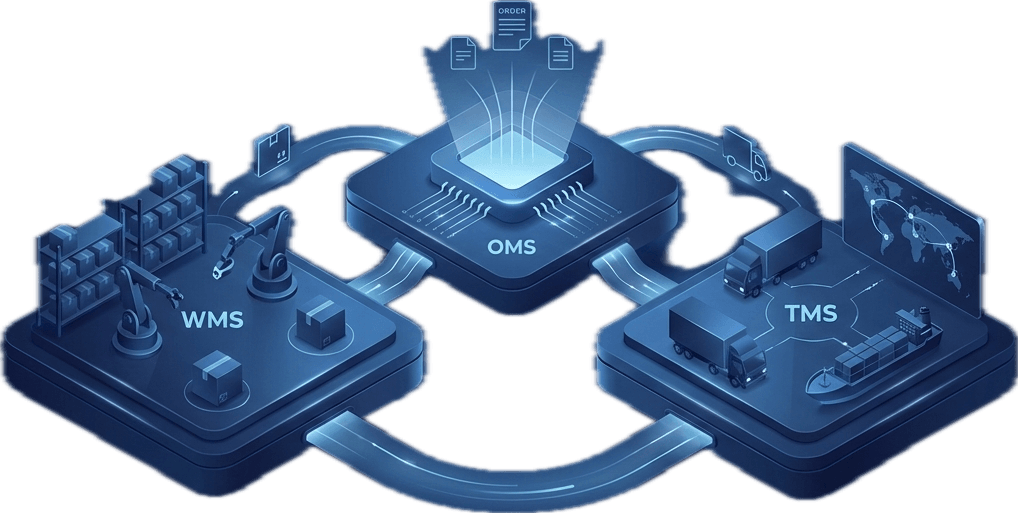
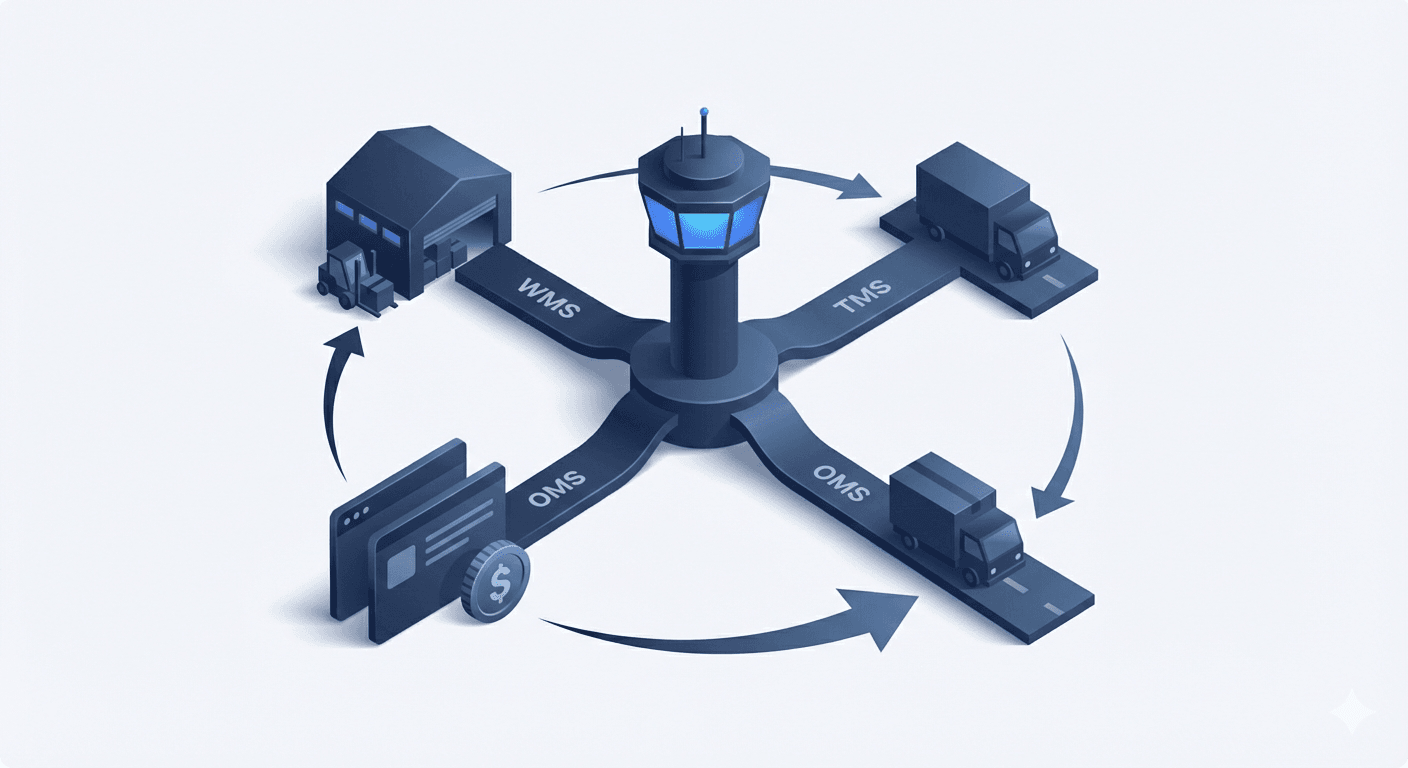
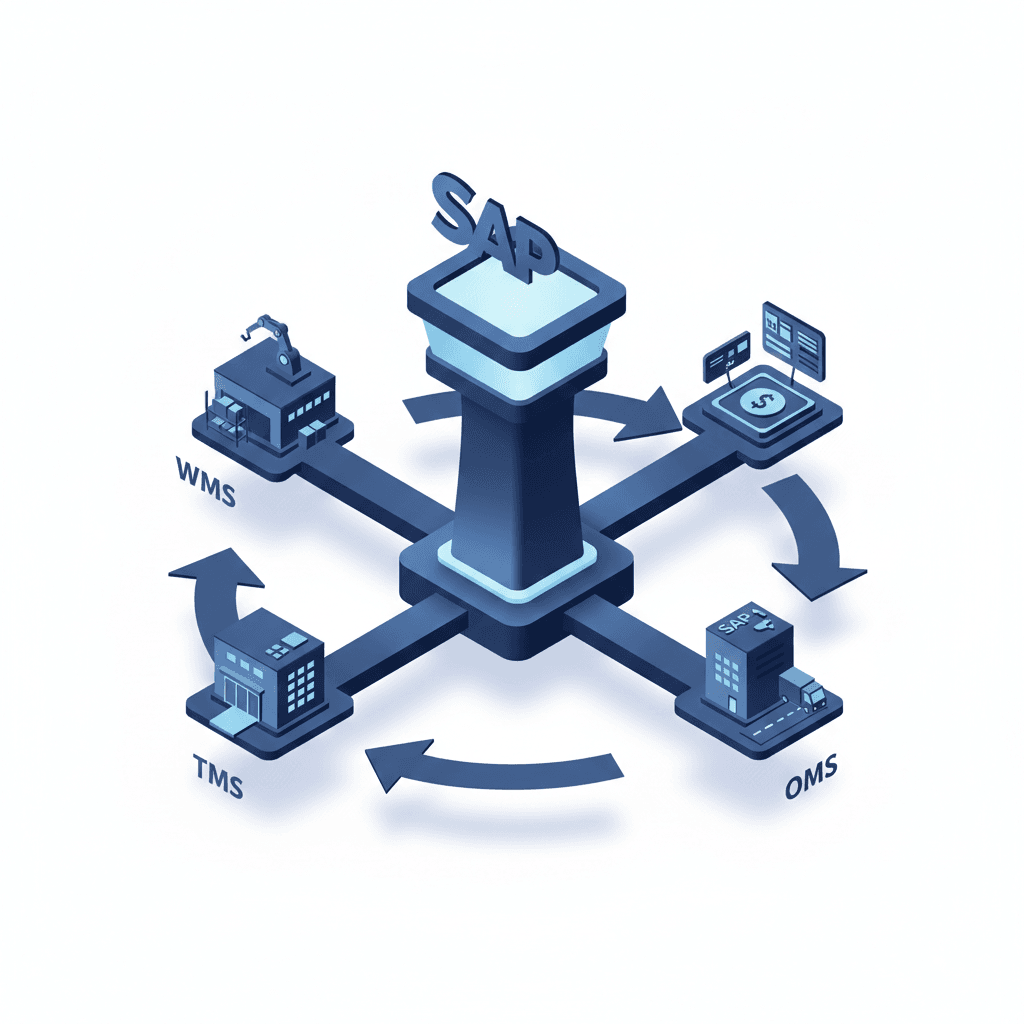
- System integration issues: When systems (POS, OMS, WMS, ERP) fail to sync correctly, sales or movements may not reflect accurately in inventory.
- Damaged or expired inventory: Unsellable stock sometimes remains “available” in the system if write-offs aren’t done on time.
Why Accurate Inventory Counts Are Important
Accurate inventory counts are critical for:
- Operational efficiency: Reliable stock data reduces overstock and stockouts, improves picking/packing accuracy, and prevents wasted labour.
- Customer satisfaction: If stock is inaccurate, customers face cancellations, delays, or incorrect availability—hurting trust and repeat purchases.
- Financial reporting: Inventory affects COGS and valuation. Discrepancies distort financial statements and can lead to poor purchasing and production decisions.
- Supply chain stability: Inaccurate stock disrupts replenishment planning, causes delays, and increases avoidable logistics costs.
When businesses understand why discrepancies happen, they can improve reconciliation, prevent repeat errors, and reduce overall inventory cost.
Common Causes of Inventory Discrepancy
Human mistakes in data entry
Human error is one of the leading causes of inventory discrepancy—especially when teams manually record receiving, putaway, picking, transfers, and adjustments. These errors can be small but costly (wrong quantity, wrong SKU, wrong location), leading to overstocking, stockouts, and more time spent on reconciliation.
To reduce this risk:
- Standardise receiving and adjustment workflows
- Require scan-based confirmations (SKU + location)
- Use validation rules and approval flows for adjustments
- Train teams and audit high-risk processes regularly
Theft and pilferage
Theft can be internal or external. Since stolen inventory is rarely recorded as an outbound transaction, the system shows inventory that no longer exists, creating shrinkage.
To reduce theft-related discrepancies:
- Use role-based access control (RBAC)
- Track user activity by action and timestamp
- Restrict high-value zones and run frequent cycle counts
- Add CCTV coverage where needed
Lost, misplaced, or miscounted items
Inventory can be “lost” inside the warehouse due to incorrect putaway, poor labelling, mixed bins, or weak location discipline. Miscounts during physical checks can also introduce inaccurate records.
To prevent this:
- Enforce location/bin scanning during putaway and picking
- Improve labelling and location naming conventions
- Use cycle counting instead of only annual counts
- Standardise counting rules (UOM, packaging, lot/serial rules)
System integration issues
When POS, OMS, WMS, and ERP systems don’t sync properly, inventory movements can be missing, duplicated, or delayed. For example, if POS sales don’t sync, the system may show stock that has already been sold.
To reduce integration-driven discrepancies:
- Monitor sync health and failure logs
- Set retry policies and alerts for failed events
- Validate mapping rules (SKU IDs, UOMs, locations)
- Test integrations after updates and changes
Damaged or expired inventory
Damaged or expired inventory creates discrepancies when it remains “available” in the system but is not actually sellable. This inflates stock levels and increases holding costs.
To prevent this:
- Use FIFO/FEFO workflows where relevant
- Create clear damage/expiry disposition flows
- Require write-off transactions with approvals
- Track expiry lots and quarantine zones in the warehouse
Incorrect receiving and shipping
Receiving errors (wrong quantity, wrong SKU, missing items) and shipping errors (over-shipment, under-shipment, wrong item) are frequent discrepancy drivers.
To reduce this:
- Use scan-based receiving and dispatch confirmation
- Add verification steps at inbound and outbound
- Use packing validation rules (order-to-package checks)
- Reconcile ASN/PO vs GRN vs putaway systematically
Effects of Inventory Discrepancies on Business
Increased operational cost
- Holding costs: Overstocking ties up capital and space; stockouts cause lost sales.
- Labour cost: More time is spent investigating and reconciling inventory.
- Waste cost: Damaged or expired stock increases disposal and write-off costs.
Customer satisfaction decline
- Stockouts: Orders can’t be fulfilled when inventory is inaccurate.
- Delayed orders: Investigations and manual corrections slow fulfilment.
- Incorrect availability: Customers lose trust when inventory shown online doesn’t match reality.
Supply chain disruptions
- Planning issues: Replenishment gets distorted by inaccurate stock.
- Warehouse bottlenecks: Overstocking blocks movement and slows operations.
- Supplier relationships: Frequent discrepancies can lead to disputes and less favourable terms.
Financial reporting errors
- Incorrect valuation: Inaccurate inventory impacts COGS and balance sheet reporting.
- Tax and audit risk: Poor records can trigger audits or penalties.
- Profitability misreporting: Decision-makers may act on wrong margins and performance data.
Conclusion
Understanding the causes of inventory discrepancy is essential for controlling inventory costs. With strong reconciliation processes, disciplined operational workflows, and the right tools to prevent repeat errors, businesses can improve accuracy, reduce waste, and protect customer trust.
Platforms like Omniful help teams improve inventory visibility, enforce scan-based workflows, and streamline reconciliation across operations.
FAQs
What is an inventory discrepancy, and what causes it?
An inventory discrepancy is a mismatch between recorded and actual stock, commonly caused by human error, theft, misplacement, integration failures, or damaged/expired stock.
What is the inventory reconciliation process?
Inventory reconciliation is the process of verifying stock, identifying variances, and updating system records to match reality—typically using cycle counts, audits, and adjustments.
What are best practices for preventing inventory errors?
Use scan-based workflows, run cycle counts, standardise receiving/shipping processes, monitor integrations, restrict access, and train teams regularly.
Paylaş