Maximising TMS ROI in 2026 in MENA: Route, Time, and Labour Efficiencies Redefined

İçindekiler

Paylaş


TMS ROI in MENA Logistics: How Transportation Management Systems Reduce Costs and Improve Delivery Efficiency
Key Highlights for Decision-Makers
- Businesses using smart delivery planning through TMS can reduce average delivery distance by up to 20%.
- Time spent on dispatch coordination can drop by over 65% with automated route management.
- MENA-specific capabilities such as cash-on-delivery (COD) validation and zonal routing improve customer trust and reduce failed deliveries.
- Labour costs can be optimised without downsizing, by shifting teams from manual coordination to higher-value tasks.
- TMS platforms built for the Middle East are better equipped to handle rapid urban growth, unstructured addresses, and varied delivery expectations.
The Logistics Shift Happening in MENA
As eCommerce and retail continue to expand across MENA, logistics operations are under growing pressure. Same-day delivery is becoming a customer expectation in cities like Dubai, Riyadh, and Jeddah. At the same time, suburban and remote locations still require reliable fulfilment despite infrastructure limitations.
In this environment, logistics teams can no longer depend on spreadsheets, WhatsApp coordination, or manual route planning. They need a Transportation Management System (TMS) — a platform that provides end-to-end visibility and control over delivery operations while helping teams achieve measurable cost savings and efficiency gains.
The real question is: how do you quantify the ROI of a TMS in MENA? Let’s break it down.
Route Efficiency: Reducing Costs One Kilometre at a Time
Fuel remains one of the most volatile and expensive components of delivery operations across MENA. A TMS helps logistics teams optimise routing decisions and reduce waste across every trip.
With TMS-powered route planning, businesses can improve:
- Delivery path selection based on traffic conditions, delivery slots, and route priorities
- Clustered deliveries within hyperlocal zones to reduce empty miles
- Fleet-specific route allocation based on vehicle capacity, route type, and terrain
Business Impact
- Vehicles travel fewer kilometres per day, reducing fuel costs
- Drivers complete more deliveries per shift through shorter, more targeted routes
- Real-time routing insights help avoid congestion, including city bottlenecks during peak traffic windows, prayer times, or major public events
Time Savings: Doing More With the Same Team
In traditional logistics workflows, route planning, driver coordination, manifest handling, and customer updates can consume a significant part of the day. A robust TMS reduces this overhead through automation and real-time visibility.
Core time-saving capabilities include:
- Auto trip creation based on incoming orders
- Live delivery dashboards for dispatchers and operations managers
- Digital proof of delivery (POD) to reduce paperwork and reconciliation delays
Business Impact
- Dispatch teams recover hours of manual effort per day
- Managers can respond faster to delays or route exceptions using live alerts
- Time-sensitive deliveries, such as grocery or pharmaceutical orders, can be prioritised automatically based on SLA rules
Labour Optimisation: Leaner Operations, Stronger Output
In MENA logistics markets, recruiting and training additional staff is both expensive and time-intensive. A TMS helps businesses increase throughput without increasing headcount at the same pace.
Here’s how:
- Delivery workload is balanced across zones and shifts to reduce overtime
- Driver performance is tracked in real time, improving accountability
- Repetitive manual tasks (route assignment, follow-up calls, status coordination) are automated
Business Impact
- Higher parcel output per employee
- Teams shift from repetitive operational work to exception handling and customer support
- Fewer operational mistakes reduce compensation claims and pressure on support teams
MENA’s Unique Challenges and How TMS Solves Them
What Makes MENA Logistics Different?
Logistics in the Middle East and North Africa comes with regional realities that generic systems often fail to handle well:
- Unstructured addressing in many cities and delivery zones
- Continued reliance on cash on delivery (COD)
- A multilingual driver workforce, especially in markets like UAE and Saudi Arabia
- Rapid expansion into Tier 2 cities with developing logistics infrastructure
What a Region-Ready TMS Should Support
To perform well in this environment, a TMS should include:
- Geocoding and map-point tagging for more accurate delivery locations
- Arabic and English interfaces for operations and driver teams
- COD ledger management with real-time cash tracking
- Dynamic trip planning based on order density, route conditions, and delivery success rates
These needs require a localised TMS platform, not just a generic global product.
Quantifying ROI: Sample Before-and-After TMS Metrics
Below is an example of how a mid-sized courier service operating in three Gulf cities improved performance after adopting a TMS:
| Performance Indicator | Before TMS | After TMS | Benefit |
|---|---|---|---|
| Orders Per Driver | 25 | 40 | +60% output |
| Average Route Distance | 9 km | 6.8 km | -24% fuel use |
| Dispatch Planning Time | 3 hrs/day | 40 mins/day | +2 hrs 20 mins saved daily |
| Missed Deliveries/Day | 12 | 3 | -75% missed deliveries |
| Support Calls | 40/day | 15/day | Fewer escalations |
These metrics reflect the kinds of operational improvements logistics teams can achieve with a TMS configured for local delivery conditions.
Last-Mile Cost Control With TMS
The last mile can account for more than half of total logistics spend in eCommerce. This is where TMS platforms create some of their biggest financial impact.
A TMS helps reduce last-mile costs by:
- Automating trip clustering so drivers serve multiple nearby customers in one run
- Supporting dynamic rescheduling and redelivery workflows
- Capturing real-time delivery confirmation, including in low-connectivity areas (with offline sync support)
Result
By reducing failed deliveries and unnecessary re-routing, businesses improve their parcel-to-cost ratio and protect margins — even while offering fast delivery in high-cost cities such as Doha or Manama.
Choosing the Right TMS for MENA
When evaluating TMS vendors for the region, look for capabilities that match the realities of local logistics operations:
- Arabic and English interfaces
- Integrations with local carriers and marketplaces (e.g., Zid, Salla, Marsool)
- Driver apps with offline mode and delayed sync
- Built-in reverse logistics support for returns and exchanges
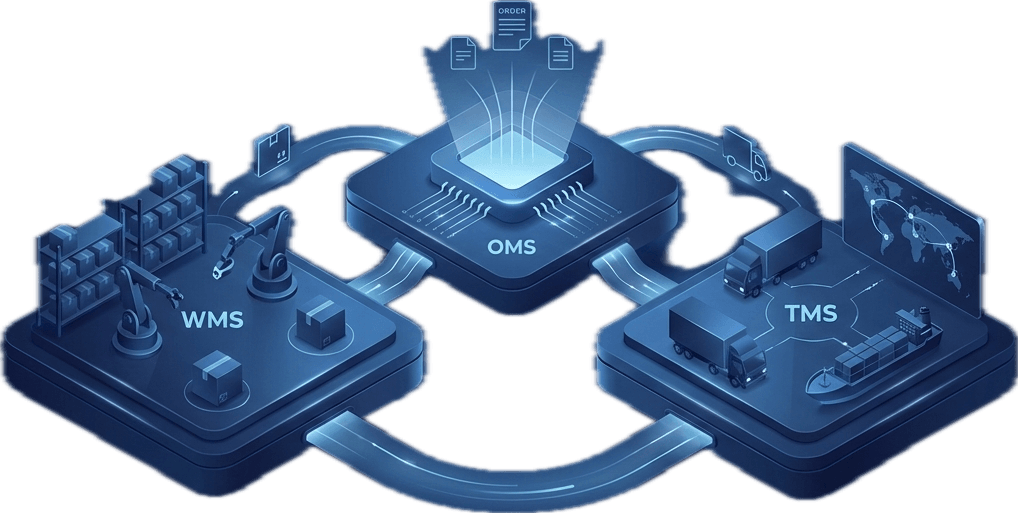
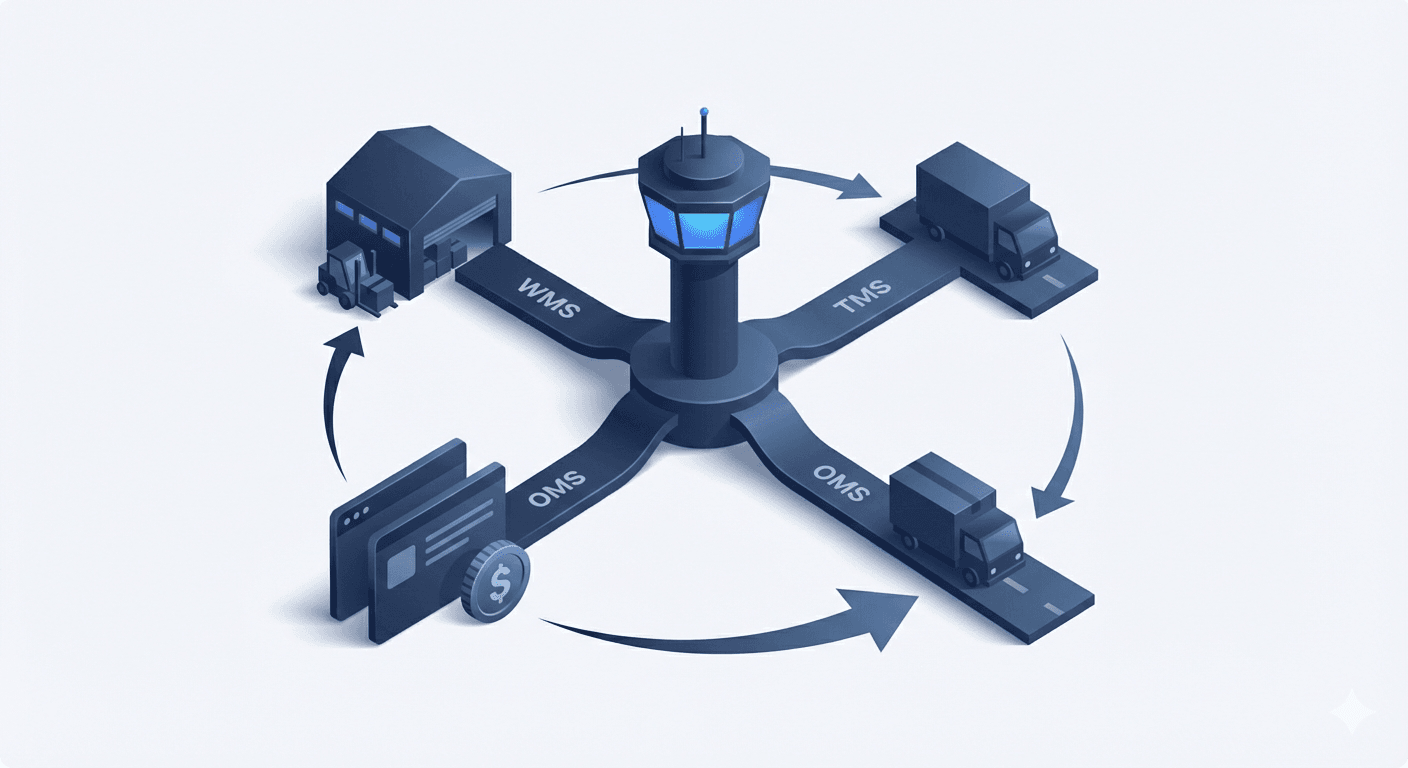
One example is Omniful, a platform built for omnichannel commerce in the Middle East that supports order, warehouse, and transportation operations in a unified system.
Final Thoughts: Turn Transportation From a Cost Centre Into a Growth Engine
In MENA’s logistics market, transportation efficiency directly affects customer satisfaction, profitability, and long-term scalability. With the right TMS, businesses can:
- Scale delivery operations without scaling payroll at the same rate
- Deliver faster and smarter without increasing operating costs
- Build customer trust by meeting delivery commitments consistently
Transportation is no longer just an operational function — it is a strategic growth lever. And the right TMS can make that shift possible.
Call to Action
Ready to improve delivery performance with a TMS built for Middle East logistics operations?
👉 Book a free consultation with Omniful’s TMS specialists and explore a platform tailored to your fleet, market, and growth goals.
Schedule Your Demo
FAQs
What’s the average ROI period for a TMS in MENA logistics?
Many businesses begin to see measurable operational improvements within 4 to 8 weeks, depending on implementation scope and process maturity.
Can a TMS work with third-party logistics (3PL) providers?
Yes. A TMS can improve coordination with 3PL partners through shared visibility, live tracking, and standardised trip workflows.
Is a TMS suitable for companies handling COD orders?
Yes. A region-optimised TMS can support COD workflows, including cash handling, ledger updates, reconciliation, and fraud-control processes.
How does a TMS help small logistics firms?
A TMS helps small teams automate routine work, increase delivery output, and improve service consistency without immediately adding more headcount.
Can a TMS integrate with marketplaces?
Yes. Platforms such as Omniful can integrate with local and international sales channels to streamline fulfilment and delivery execution.
Paylaş