Omnichannel Fulfillment: The Silent Driver of Customer Experience
İçindekiler

Paylaş


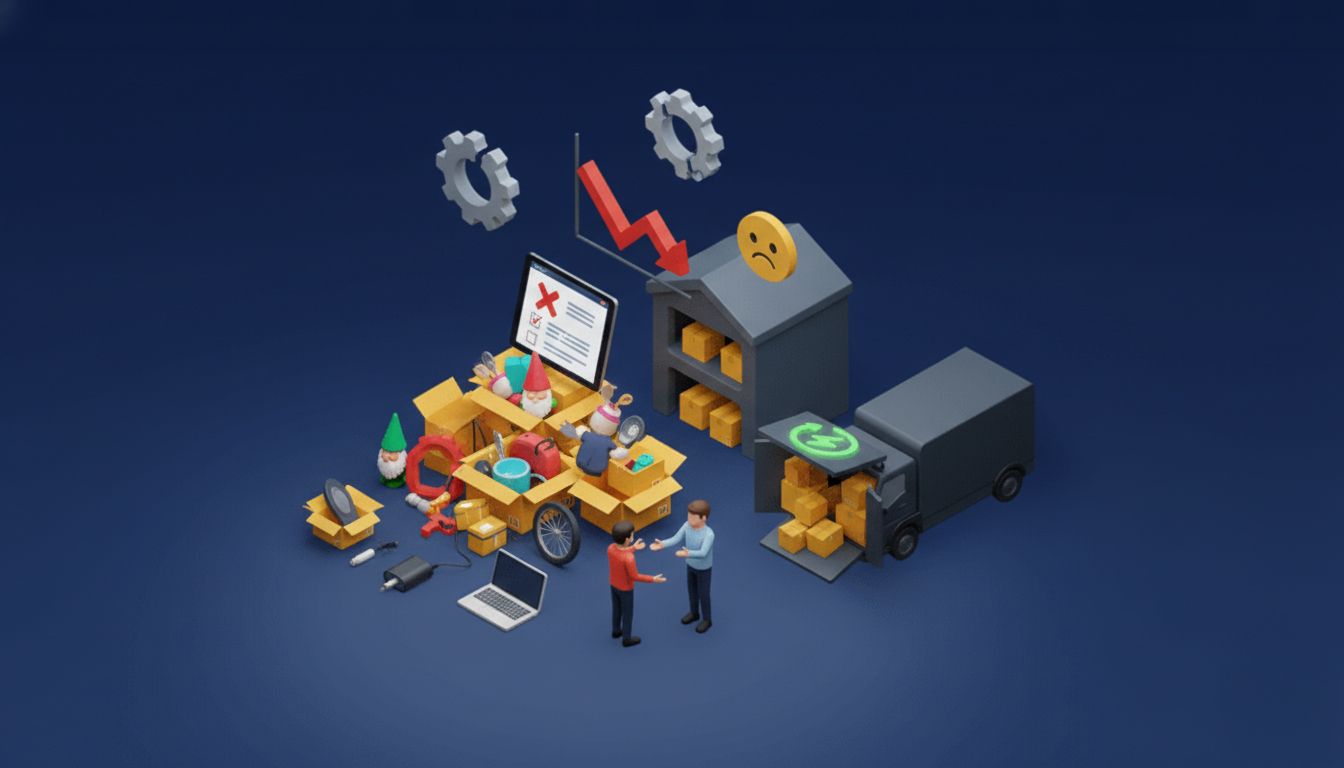
Behind every successful purchase journey lies a complex operational ecosystem working in perfect harmony to deliver orders to customers at the right time, in the right place, and in the way they prefer. Yet in many organisations, this ecosystem still operates as separate islands, an online store on one side, a warehouse on another, and shipping and inventory systems that don’t communicate. The result? A fragmented customer experience, unfulfilled promises, and losses that are difficult to quantify.
In contrast, leading companies today are shifting toward omnichannel fulfilment as an operational approach that connects every channel and every system into one integrated chain, where the customer experience becomes seamless from the moment they click “Buy Now” until the product reaches their hands.
The importance of this shift isn’t that it’s a “technical upgrade,” but that it has become the core competitive factor in customer experience. Modern experiences are measured by speed, flexibility, and accuracy, not just by beautiful UI design. Today’s customer does not distinguish between channels; to them, the brand is one entity, whether they buy from the app, the physical store, or an online marketplace. Any gap between these channels translates immediately into an experience failure.
In the following lines, we uncover the real role omnichannel fulfilment plays as the silent engine behind customer experience, and how linking order management systems with warehouse management systems can turn backend operations into a strength the customer can feel in every interaction with the brand.
From Fragmented Channels to a Unified Experience
Many brands today exist across several channels: an online store, a mobile app, physical branches, or marketplaces like Amazon and Noon. But this presence does not automatically mean integration. Most of the time, each channel runs on separate systems:
- Its own inventory
- Independent sales data
- A completely separate order management workflow
The result? Conflicting inventory numbers, orders accepted despite products being out of stock, shipping delays or sudden cancellations, and a customer experience that feels like each channel is “a different world.”
Before companies reach a unified fulfillment model, they typically face a phase filled with operational challenges. Each channel operates independently, each system keeps its own isolated data, and the gaps between them grow harder to bridge:
- Data fragmentation: Without a unified database, it’s nearly impossible to build a real-time view of both inventory and the customer.
- Operational complexity: Every new sales channel introduces new procedures, increasing pressure on fulfillment teams and warehouses.
- Poor demand forecasting: With scattered data, it becomes difficult to determine which locations need replenishment and which ones have excess stock.
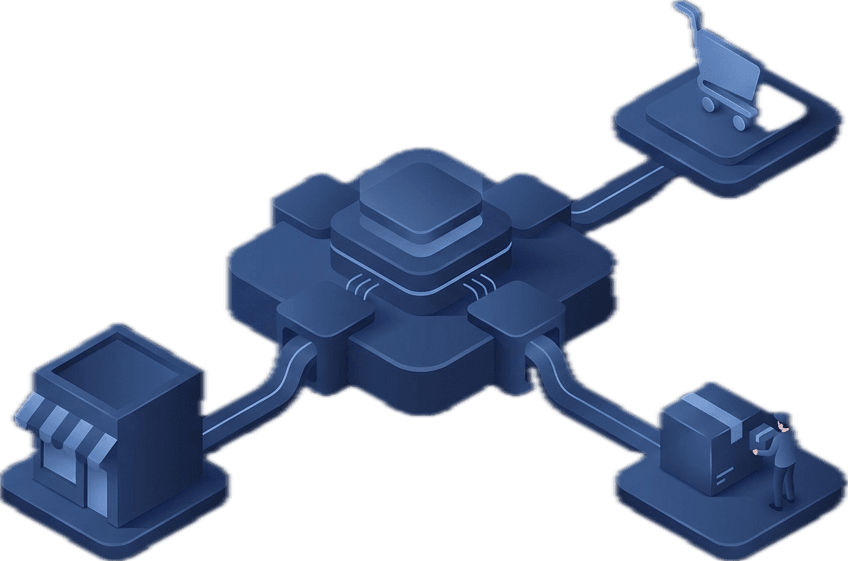
These challenges become opportunities once a company transitions to a unified platform connecting orders, inventory, and fulfillment in a single system. In the integrated model, channels operate as one network. When a customer buys from your website, the system can route the order to the nearest store for same-day fulfillment. And when they return a product, they can drop it off at any branch without complications.
Imagine this scenario:
A customer browses Instagram in the evening and notices elegant shoes perfect for an upcoming wedding. She clicks the ad, visits the online store, selects her size… but hesitates and closes the website.
The next day, she walks into the nearest branch and finds the same shoes. She tries them on, perfect fit, but the color she liked isn’t available on the shelf. The salesperson checks the system, finds the color in another warehouse, and offers next-day home delivery.
That evening, she receives a notification that her order is on its way. When she returns home, the box is waiting at her door. To her, everything felt simple and natural.
But behind the scenes, nothing was simple:
inventory systems talking to each other, connected stores and warehouses, orders being re-routed, and shipping operations calculated with precision. That is unified omnichannel execution.
This is the essence of omnichannel fulfillment: systems moving together as one body.
The architecture of an integrated experience: OMS + WMS + TMS
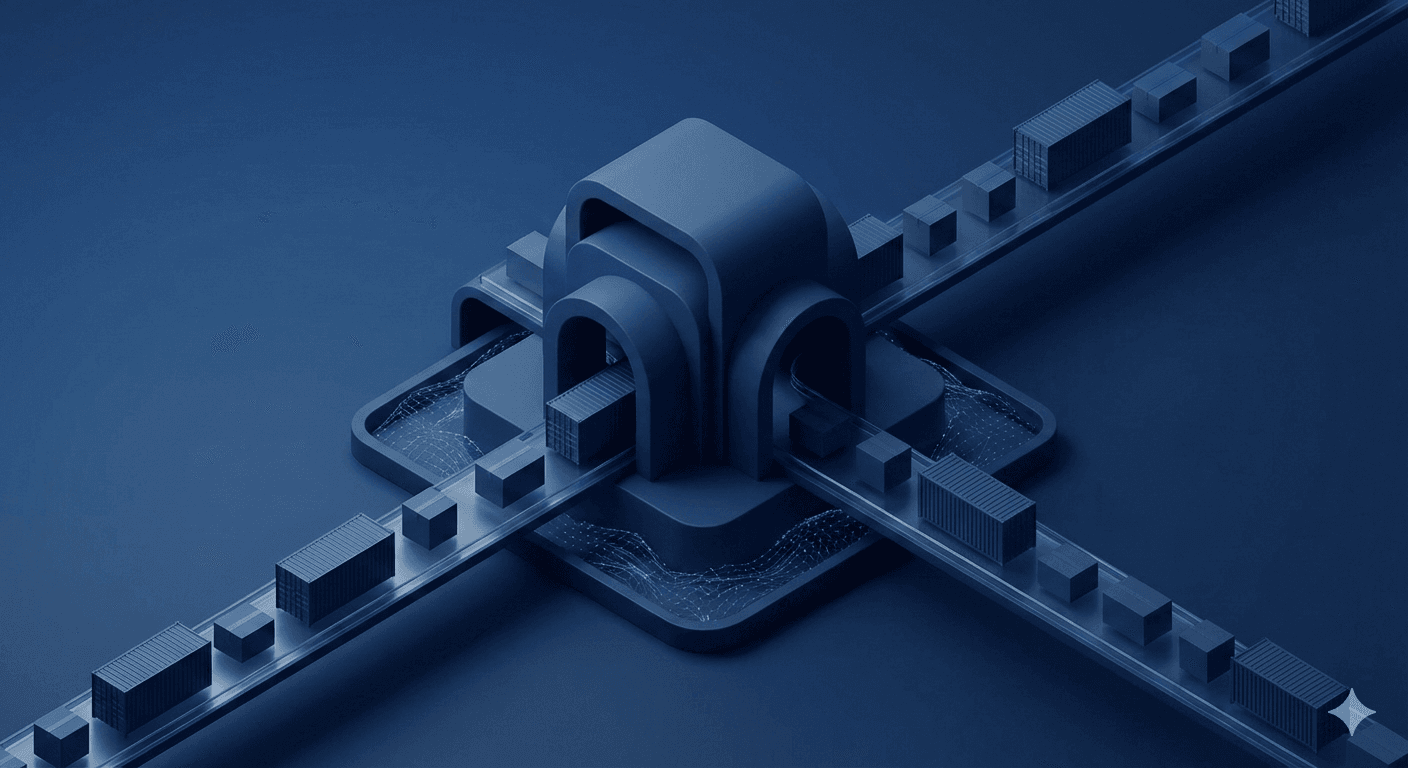
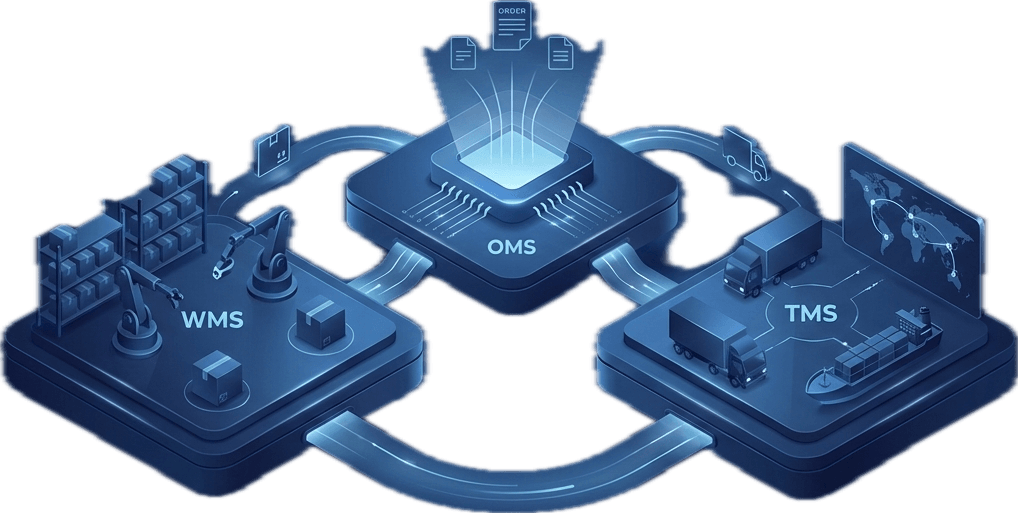
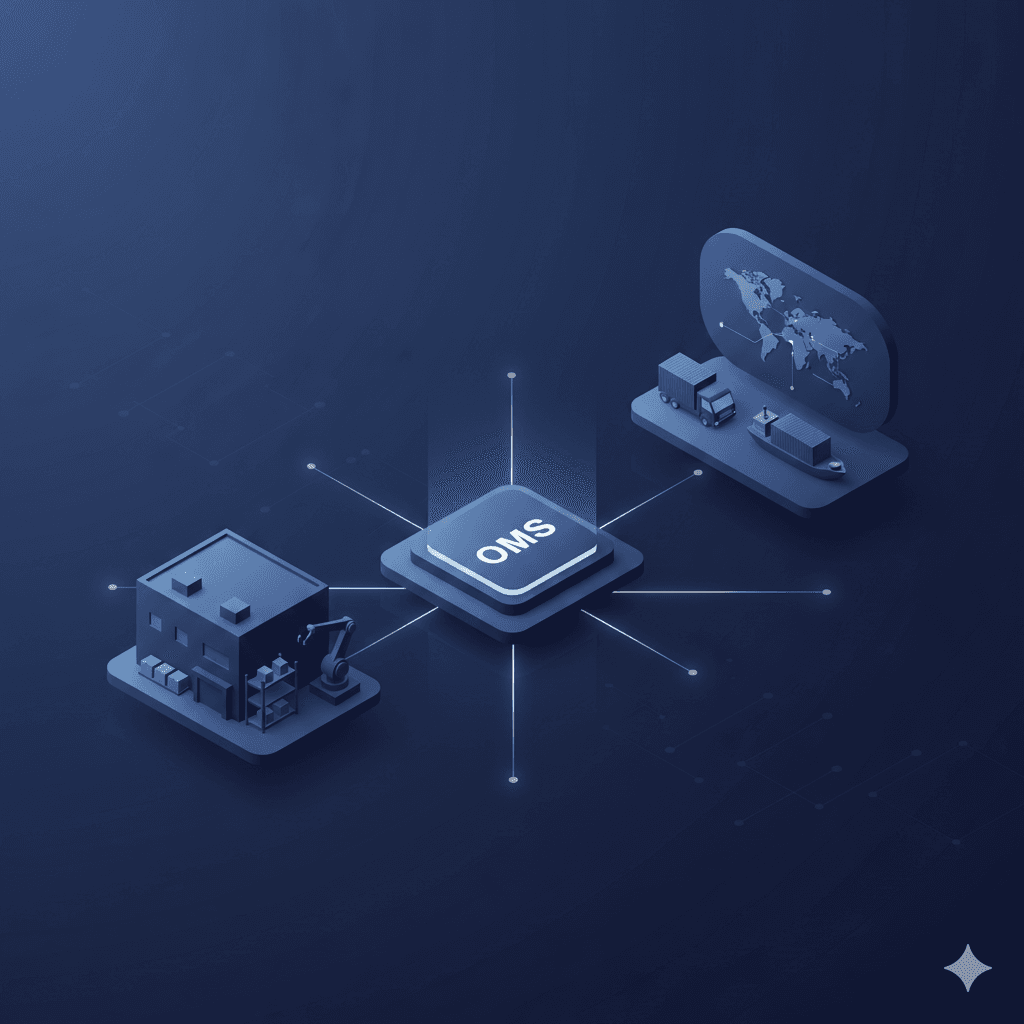
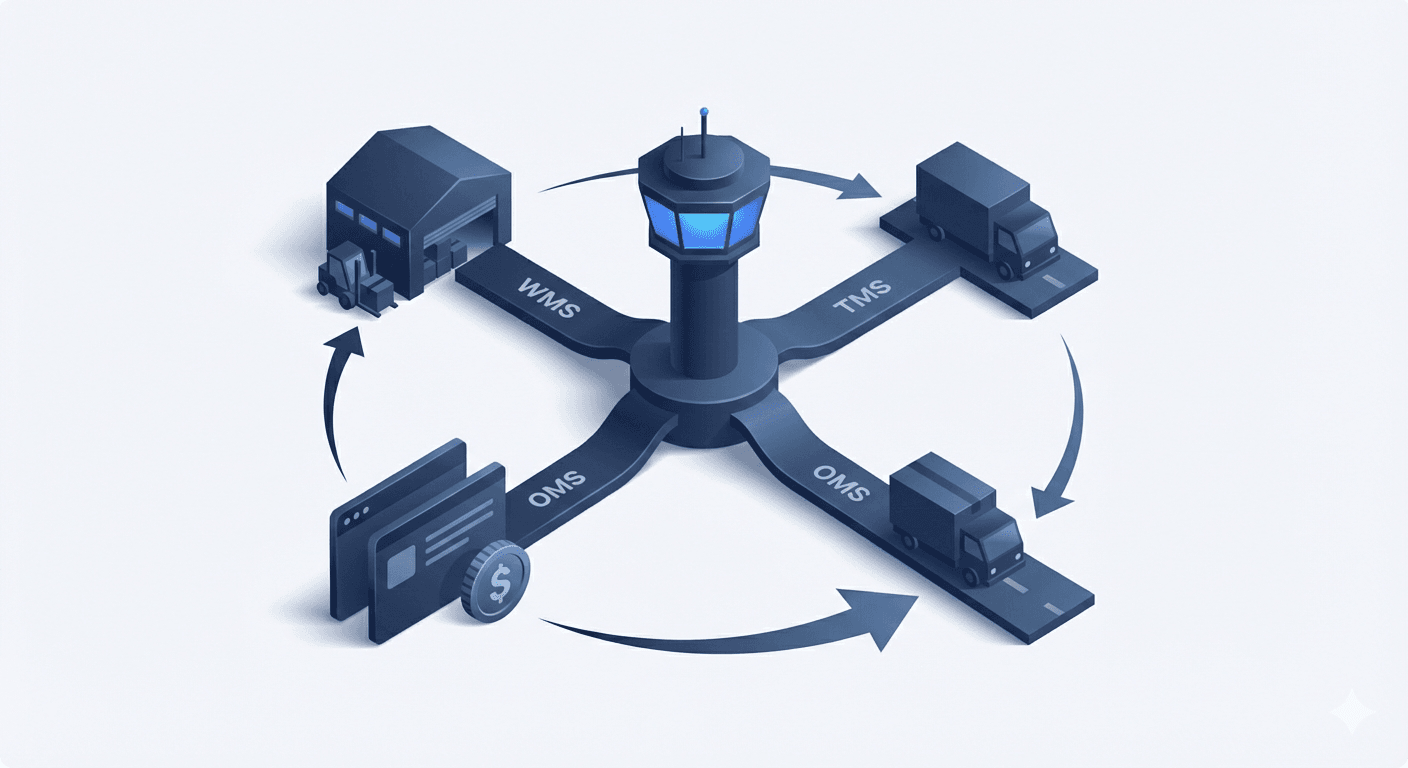
The foundation of this experience is the integration between an Order Management System (OMS) and a Warehouse Management System (WMS).
- The OMS: is the “brain”, it collects orders from all channels and decides how and where they should be fulfilled.
- The WMS: is the “hand”, it receives the order, verifies stock, manages picking, packing, and hands the shipment to the carrier.
- The TMS: when present, adds an additional intelligence layer for choosing the carrier, delivery route, and cost.
When these systems operate separately, fulfillment becomes a chain of manual patches: manual inventory updates, heavy internal communication, and excessive reliance on individuals.
But when they integrate, the process becomes a single connected workflow:
- The order enters from any sales channel.
- The OMS reviews inventory and available options.
- It selects the optimal fulfillment location (store or warehouse).
- It sends details to the WMS.
- The TMS coordinates shipping and delivery.
- All systems update simultaneously, including the customer-facing experience (UI, notifications, tracking).
The result is not only speed, but consistency, because the system now acts as one organism.
Success factors in omnichannel execution
To translate integration into real value, four core pillars must be in place:
| Pillar | Explanation | Direct impact on customer experience |
|---|---|---|
| Unified inventory visibility | All stock managed from a single real-time database across warehouses and stores. | Prevents overselling and ensures accurate availability. |
| Intelligent order routing | The system automatically selects the nearest fulfillment location based on cost and time. | Faster delivery and lower shipping costs. |
| Flexible delivery options | Scenarios like BOPIS or ship-from-store become fully supported. | Gives customers lifestyle-aligned options. |
| Unified customer data | Orders, inventory, and customer records connected across channels. | Personalized experience, accurate recommendations, stronger loyalty. |
These four pillars make omnichannel execution not just an operational improvement, but an investment in the customer experience itself.
Why omnichannel fulfillment is no longer optional
Customer experience is not what the customer sees, it’s what they feel in every step.
When the system triggers a “Your order is being prepared” notification at the exact moment the warehouse team begins processing the order, the customer trusts you.
When real-time inventory reduces cancellations due to stockouts, trust grows.
When customers choose between in-store pickup or fast delivery, they feel understood.
In recent years, the definition of “good service” has changed. What used to be a premium offering — like two-day delivery — is now the bare minimum. Customers don’t wait, and they don’t retry. If expectations aren’t met the first time, they switch to another competitor instantly.
According to a study of 46,000 shoppers, 7 out of 10 use multiple channels during their shopping journey. Only 7% shop exclusively online, while 20% shop in physical stores only.
Most online shoppers switch between the app and the website, and some even browse social commerce stores if available.
This makes speed a survival factor, not a luxury. The difference between companies isn’t in what they promise, but in whether they can deliver that promise consistently.
Here is where omnichannel execution becomes essential:
When order, warehouse, and transport systems integrate, speed becomes built into the workflow, not a heroic effort. Orders are automatically fulfilled from the nearest location, shipment statuses update in real time, and the “Your order is on the way” message appears the moment the package actually moves.
This interconnectedness is what makes the experience genuinely “smart.”
And according to Salesforce’s State of the Connected Customer report, about 80% of consumers consider the experience a company provides to be as important as the product or service itself.
How Omniful brings this concept to life
At the heart of every successful experience stands a system that orchestrates speed, accuracy, and consistency.
This is exactly what Omniful provides: a unified platform connecting OMS, WMS, and TMS into one ecosystem overseeing the entire supply chain — from initiation to delivery.
Through this integration, channels no longer operate separately, they move as one interconnected network. Every purchase follows a transparent path: real-time stock checks, automatic routing to the nearest fulfillment location, and live delivery tracking until completion.
This architecture gives businesses:
- Unified visibility of inventory and orders, every update appears instantly across all channels, from the online store to physical POS.
- Faster, more accurate fulfillment, thanks to smart routing based on proximity, cost, and service level.
- Full operational control, from order creation to delivery, with performance tracked at every step.
What sets Omniful apart is not only the technology but the harmony between tech and operations. The platform doesn’t just provide tools, it builds a flexible operating model that allows companies to scale into new channels or markets without restructuring every time.
The result is a consistent experience where customers feel the brand “knows them,” understands their needs, and fulfills promises reliably, regardless of channel or location.
Lessons from global leaders
Brands that embraced omnichannel fulfillment early didn’t only improve operational efficiency, they redefined customer experience.
-
Nike and Zara pioneered “Buy Online, Pick Up In Store (BOPIS),” blending digital convenience with real-world immediacy. Customers browse on the app, check availability at a nearby store, and pick up the same day, a seamless response to modern shopping behaviors.
-
Amazon built unprecedented loyalty through its Fulfillment by Amazon (FBA) model. enabling instant, precise execution regardless of order volume or location. Customers don’t think about logistics; they just experience a simple, uninterrupted flow: order → track → receive.
-
Target transformed its physical stores into local fulfilment hubs, enabling most orders to be delivered from locations close to customers. This not only improved speed but created a more consistent experience, the same inventory, same price, same reliability, regardless of channel.
The common thread among these leaders is that omnichannel fulfilment became part of their brand identity, not just an operational step. The outcome is loyalty built on trust, because the customer sees every promise fulfilled the same way, every time.
Conclusion
Omnichannel fulfilment is the invisible infrastructure of modern customer experience.
It is the silent driver that turns every promise into reality and every click into a smooth, reliable journey.
While brands race to improve interfaces and designs, the real value lies backstage, in connecting systems, unifying data, and enabling operational teams to move in harmony.
Omniful embodies this concept in a real, practical model, where technology meets operational intelligence to deliver an experience that is “from order to delivery, and from channel to customer” with flexibility, speed, and consistency.
The customer doesn’t care what OMS or WMS means, they simply want to receive what they ordered, at the time they were promised.
This is the true power of unified fulfillment:
to make complexity disappear… and let the experience shine.
Paylaş