Order Management System for Seamless Omnichannel Experience
İçindekiler

Paylaş


Order Management System for Seamless Omnichannel Experience
Customers do not think in channels. They do not separate your website from your store, your marketplace orders from your warehouse operations, or your delivery promise from your brand. They simply expect a smooth experience every time they buy.
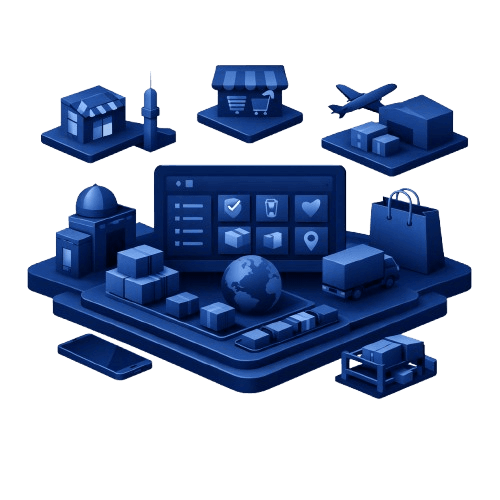
That is why an Order Management System has become a critical part of modern commerce. As businesses grow across ecommerce, retail, marketplaces, and fulfillment networks, they need one system that can unify orders, improve order visibility, and help teams deliver a seamless omnichannel customer experience.
This article explains how an Order Management System supports omnichannel growth, why it matters for businesses across MENA, what capabilities to look for, and how better order orchestration, inventory visibility, and fulfillment management can improve both operational efficiency and customer satisfaction.
Why businesses need an Order Management System for omnichannel operations
As soon as a business starts selling across multiple channels, order complexity increases.
A company may sell through:
- Ecommerce website
- Mobile app
- Physical retail stores
- Online marketplaces
- Social commerce channels
- B2B ordering channels
- Franchise or partner networks
Each channel creates demand differently. Each may also have different fulfillment rules, inventory sources, delivery promises, and customer expectations.
Without a unified system, businesses often end up with:
- Disconnected order flows
- Inconsistent stock information
- Manual routing decisions
- Delayed status updates
- Higher cancellation risk
- Poor customer communication
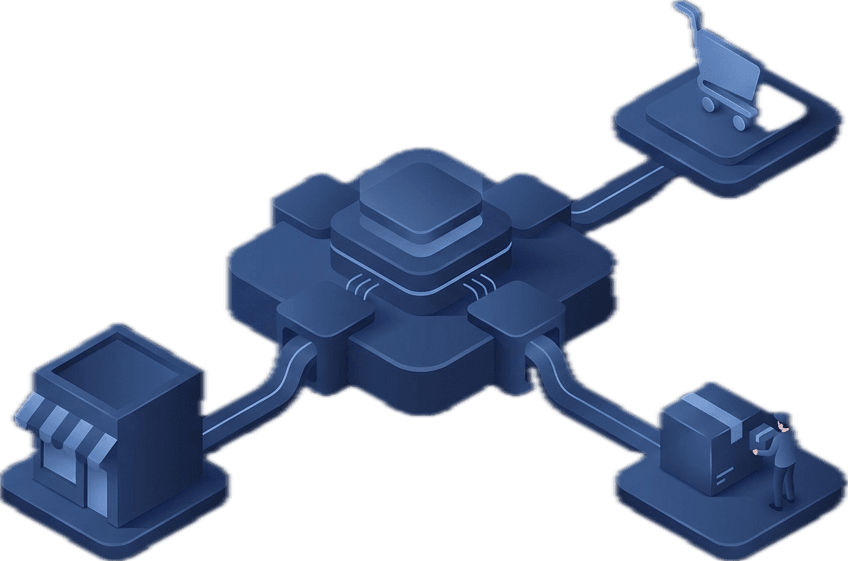
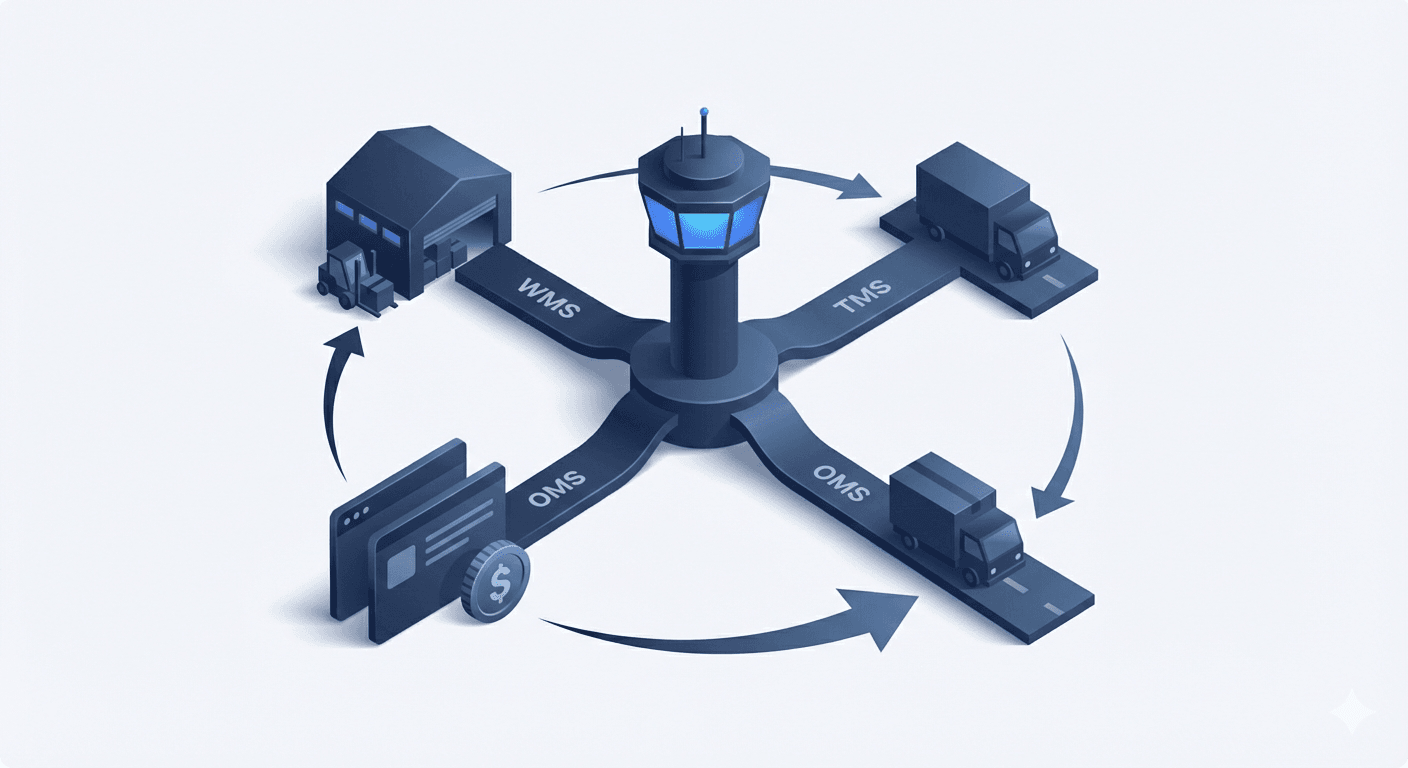
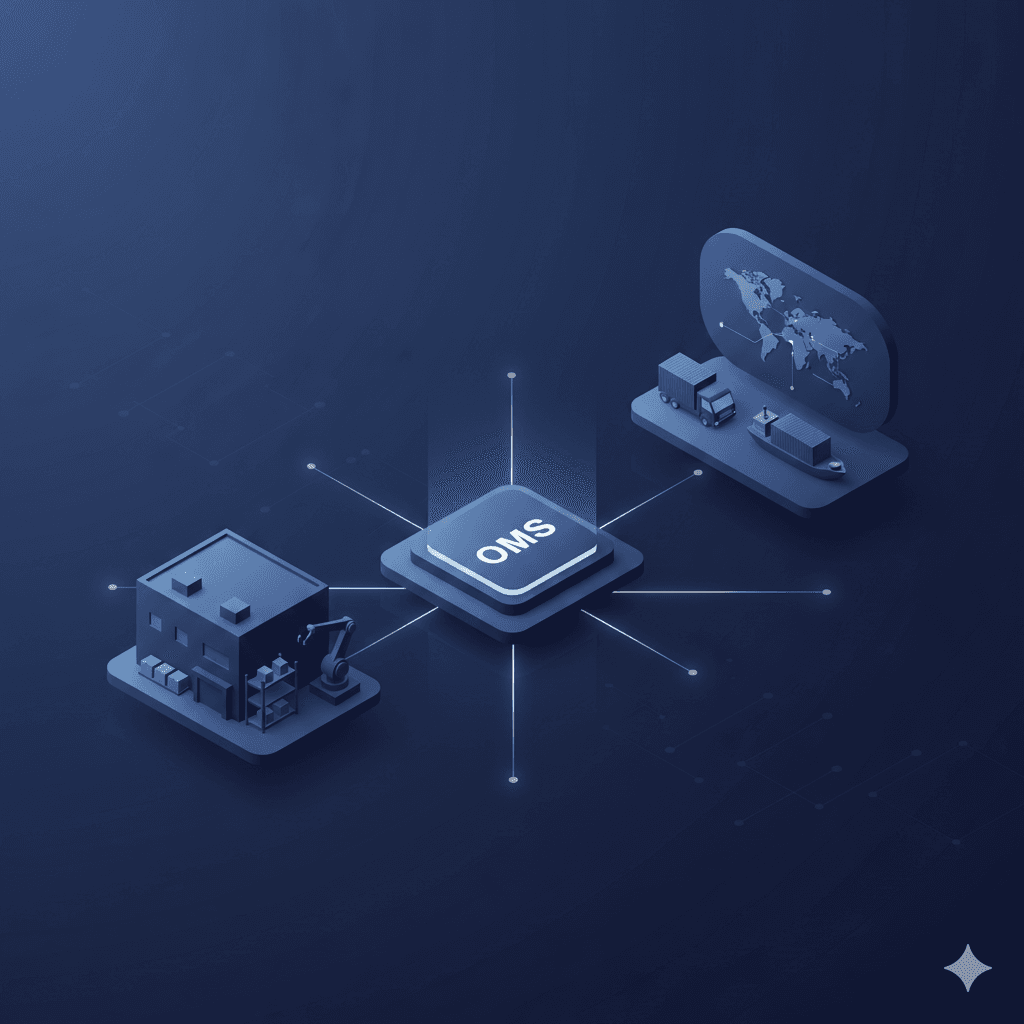
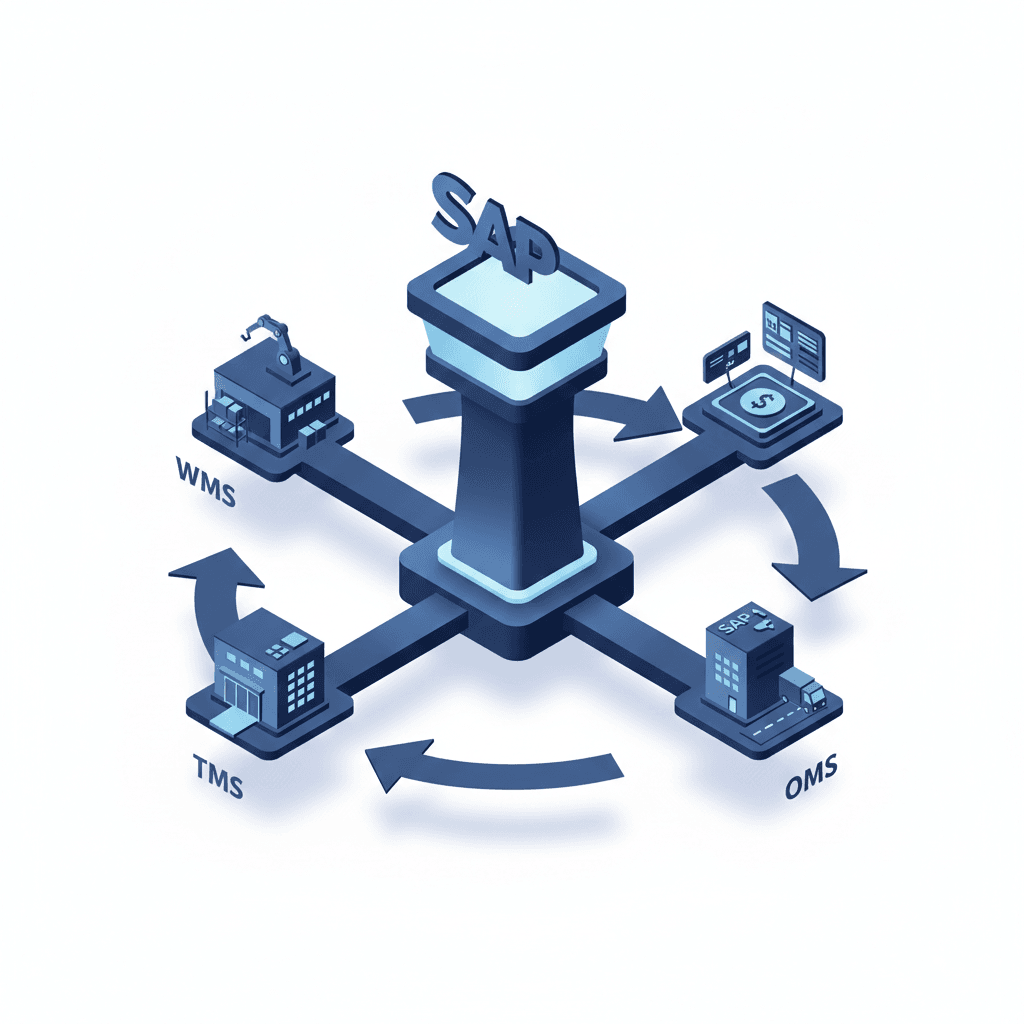
An Order Management System helps solve this by acting as the control layer between sales channels, inventory, fulfillment operations, and customer-facing updates.
What an Order Management System does
An Order Management System manages the lifecycle of an order from capture to fulfillment and post-purchase updates.
It brings together the operational steps needed to process orders accurately across channels and fulfillment nodes.
Core functions of an OMS
A strong OMS typically helps businesses:
- Capture orders from multiple channels
- Validate order details
- Check inventory across locations
- Route orders to the right fulfillment source
- Manage split shipments when needed
- Sync order statuses across systems
- Support cancellations, returns, and exchanges
- Maintain one view of the order for all teams
In simple terms, an Order Management System answers the questions businesses deal with every day:
- Which location should fulfill this order?
- Is the item actually available?
- Can the order be promised on time?
- Should the order be split across multiple nodes?
- What status should the customer see?
- How can support and operations see the same order information?
That is why enterprise order management is about much more than basic order capture. It is about coordination, visibility, and control.
How an Order Management System improves omnichannel customer experience
Customers rarely see the system behind the experience, but they feel the result of it immediately.
A delayed order, cancelled item, incorrect stock status, or confusing update flow quickly damages trust. A well-implemented Order Management System helps prevent those issues.
Better order visibility across channels
Order visibility is one of the most important foundations of omnichannel customer experience.
When all teams work from the same order view:
- Customer support gives more accurate answers
- Operations can act faster on exceptions
- Customers receive more reliable updates
- Internal teams avoid conflicting information
This reduces friction after checkout and creates a more consistent experience across ecommerce and retail channels.
More accurate inventory visibility
Inventory visibility directly affects customer trust.
If a business cannot see stock accurately across stores, warehouses, and fulfillment locations, it risks:
- Overselling
- Stockouts after purchase
- Delayed order confirmation
- Unnecessary cancellations
- Poor fulfillment routing
A modern OMS improves this by connecting inventory data across the network and helping teams use available stock more intelligently.
Faster and smarter fulfillment
The customer experience improves when orders are fulfilled from the best location instead of the default location.
A good Order Management System supports fulfillment decisions based on factors such as:
- Stock availability
- Customer location
- Delivery promise
- Node capacity
- Shipping cost
- Service priority
This makes omnichannel fulfillment more consistent and more scalable.
Smoother post-purchase experience
The experience does not end when the order is placed.
An OMS also improves:
- Status tracking
- Partial shipment visibility
- Cancellation handling
- Return coordination
- Exchange workflows
- Exception management
This is where many businesses either build loyalty or lose it.
Core capabilities to look for in order management software
Not every platform can support modern omnichannel operations. Businesses should look beyond basic order capture and focus on capabilities that improve real execution.
Multi-channel order capture
The system should centralize orders from:
- Ecommerce storefronts
- Retail stores
- Marketplaces
- Social channels
- B2B channels
This reduces fragmentation and gives teams one place to manage incoming demand.
Centralized order view
Operations, support, and business teams should be able to see the full order lifecycle in one place.
This includes:
- Order creation
- Payment and validation status
- Fulfillment status
- Shipment updates
- Cancellation or return activity
Inventory visibility across locations
The system should provide visibility across:
- Warehouses
- Stores
- Dark stores
- Fulfillment centers
- Marketplace-linked stock pools
Without that, omnichannel order management becomes reactive and error-prone.
Order orchestration
Order orchestration is the logic that decides how an order should be fulfilled.
This includes decisions such as:
- Which node should fulfill the order
- Whether the order should be split
- Which inventory pool to use
- How to balance cost and service speed
- What to do when the preferred node cannot fulfill
Fulfillment management support
A strong OMS should work closely with warehouse and shipping processes, not just stop at order capture.
Useful fulfillment management capabilities include:
- Fulfillment assignment
- Hold and release logic
- Split shipment handling
- Backorder support
- Return and exchange workflows
- Delivery status sync
Integrations with surrounding systems
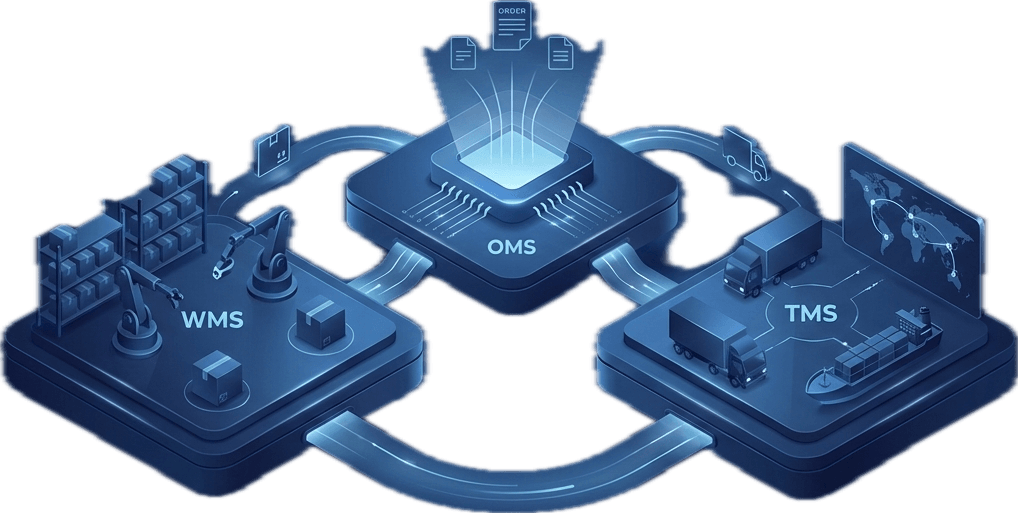
To create unified commerce, the OMS should connect well with:
- Ecommerce platforms
- POS systems
- WMS
- TMS
- ERP
- CRM
- Marketplace connectors
The more connected the system, the more useful the data and workflows become.
Why order visibility and inventory visibility matter
Two of the biggest reasons businesses invest in an Order Management System are order visibility and inventory visibility.
They sound simple, but they shape the entire customer experience.
Order visibility helps teams act faster
When one order is touched by multiple teams, visibility becomes essential.
For example:
- Sales may need to confirm customer expectations
- Support may need to answer delivery questions
- Operations may need to resolve exceptions
- Finance may need to validate transaction flow
A unified order view makes that coordination easier and faster.
Inventory visibility helps businesses promise accurately
Many omnichannel failures begin with poor inventory accuracy.
If stock appears available in one system but unavailable in another, the business may:
- Confirm an order it cannot fulfill
- Send customers the wrong ETA
- Create unnecessary support tickets
- Increase refund and cancellation rates
With better inventory visibility, businesses can improve both customer trust and operational planning.
Actionable takeaway
If customers frequently face stock issues, delayed updates, or inconsistent order statuses, the problem may not be demand volume. It may be the lack of a centralized OMS with reliable visibility across the network.
How order orchestration improves fulfillment decisions
Order orchestration is one of the most valuable capabilities inside an Order Management System.
It ensures that the system does not just receive orders, but actively decides how those orders should move through the network.
What order orchestration manages
Order orchestration helps determine:
- Best fulfillment source
- Inventory reservation logic
- Split order handling
- Routing based on SLA or distance
- Store vs warehouse priority
- Fallback logic when a node fails
Why it matters
Without order orchestration, businesses often rely on static rules or manual decisions.
That leads to:
- Slower order processing
- Higher fulfillment cost
- Underused inventory in stores
- Inconsistent customer promises
- More operational escalations
With better orchestration, businesses can improve both speed and cost efficiency while protecting the customer experience.
Example
A customer places an order with three items.
The system may decide to:
- Fulfill one item from the nearest store
- Fulfill two items from a warehouse
- Trigger separate shipment workflows
- Keep one unified customer order record
- Sync updates back to support and customer-facing channels
That is omnichannel order management working in practice.
Practical omnichannel use cases
The value of an Order Management System becomes clearer when viewed through real operating scenarios.
Ship-from-store
A retailer with store inventory wants to use those stores as fulfillment nodes.
The OMS can help by:
- Checking available stock at store level
- Routing eligible online orders to stores
- Triggering store fulfillment workflows
- Updating the order status centrally
This improves inventory utilization and supports faster local fulfillment.
Click and collect
A customer buys online and picks up from a store.
The OMS coordinates:
- Inventory validation
- Stock reservation
- Order preparation workflow
- Pickup-ready status
- Customer notification
Without one system controlling this flow, the experience becomes inconsistent very quickly.
Marketplace and direct-channel order unification
A business selling on both marketplaces and its own website often struggles with fragmented order handling.
An OMS helps unify:
- Order intake
- Inventory allocation
- Status updates
- Fulfillment routing
- Returns coordination
This improves consistency across channels without forcing every channel to operate the same way.
Split fulfillment across locations
Some orders cannot be fulfilled from one node.
The OMS can support:
- Multi-location fulfillment
- Partial shipment visibility
- Channel status sync
- Customer communication across shipment stages
This is especially useful for businesses with distributed inventory.
Common challenges businesses face without a unified OMS
When businesses try to manage omnichannel growth without a central Order Management System, the same patterns appear repeatedly.
Common issues
- Orders managed differently by each channel
- Inventory discrepancies across systems
- Manual routing and intervention
- Slow response to exceptions
- Poor status synchronization
- Limited visibility for support teams
- Hard-to-manage returns and exchanges
Business impact
These issues usually lead to:
- Higher operational cost
- More cancellations
- Lower customer trust
- Slower fulfillment
- Increased support volume
- Reduced ability to scale new channels
Many businesses think they have a fulfillment problem or a customer experience problem, when in reality they have an order coordination problem.
How to evaluate an Order Management System in MENA
Businesses in MENA need to assess an OMS based on both software capability and operational fit.
The right system should support regional growth, multiple business models, and increasing fulfillment complexity.
Key evaluation criteria
Multi-channel readiness
Can the system support ecommerce, marketplaces, retail stores, and partner channels from one platform?
Strong visibility
Can it provide reliable order visibility and inventory visibility across the full network?
Orchestration flexibility
Can it support business rules for different fulfillment models, locations, and priorities?
Integration depth
Can it connect with ecommerce, WMS, TMS, ERP, POS, and other critical tools?
Scalability
Can it support more channels, more locations, and more order volume without adding operational friction?
Regional adaptability
Can it support different workflows across Saudi Arabia, the UAE, Qatar, and broader MENA operations?
Questions to ask before choosing an OMS
- Can this system support our future fulfillment models, not just current ones?
- How does it handle distributed inventory and split orders?
- What visibility will support and operations teams have?
- How quickly can it adapt to new channels?
- How strong are its integration capabilities?
- Can it reduce manual order handling at scale?
FAQ
What is an Order Management System?
An Order Management System is software that helps businesses capture, track, route, and fulfill orders across multiple sales channels and fulfillment locations.
Why is an Order Management System important for omnichannel customer experience?
It helps businesses unify orders, improve visibility, and coordinate fulfillment more effectively. This leads to more accurate stock availability, faster processing, clearer updates, and fewer customer-facing errors.
What is omnichannel order management?
Omnichannel order management is the process of managing orders across ecommerce, retail, marketplaces, and other channels through one centralized system.
How does order orchestration work?
Order orchestration applies business rules to decide how an order should be fulfilled. It determines the best fulfillment location, inventory source, and processing path based on service, cost, and availability.
What is the difference between order visibility and inventory visibility?
Order visibility shows the status and progress of an order across its lifecycle. Inventory visibility shows where stock exists and how much is available across stores, warehouses, and other nodes.
What should businesses in MENA look for in order management software?
They should look for multi-channel support, strong visibility, flexible order orchestration, fulfillment management support, and integration with surrounding commerce and supply chain systems.
Conclusion
An Order Management System is no longer just a backend tool for processing orders. It is a core part of delivering a seamless omnichannel customer experience.
As businesses grow across ecommerce, retail, marketplaces, and fulfillment channels, they need one system that can unify demand, improve order visibility, support better order orchestration, and help teams execute with more speed and accuracy.
The businesses that create better customer experiences are often the ones with stronger operational coordination behind the scenes. When orders, inventory, and fulfillment decisions are managed through a centralized system, customer trust improves and growth becomes easier to sustain.
If your business is looking to simplify omnichannel operations, improve fulfillment performance, and deliver a better experience across MENA, now is the time to evaluate whether your current setup can support that next stage of growth.
Explore how Omniful.ai can help you build a more connected operation with an Order Management System designed for unified commerce, visibility, and scalable omnichannel execution.
Paylaş