Questions Before Buying Order Management Software
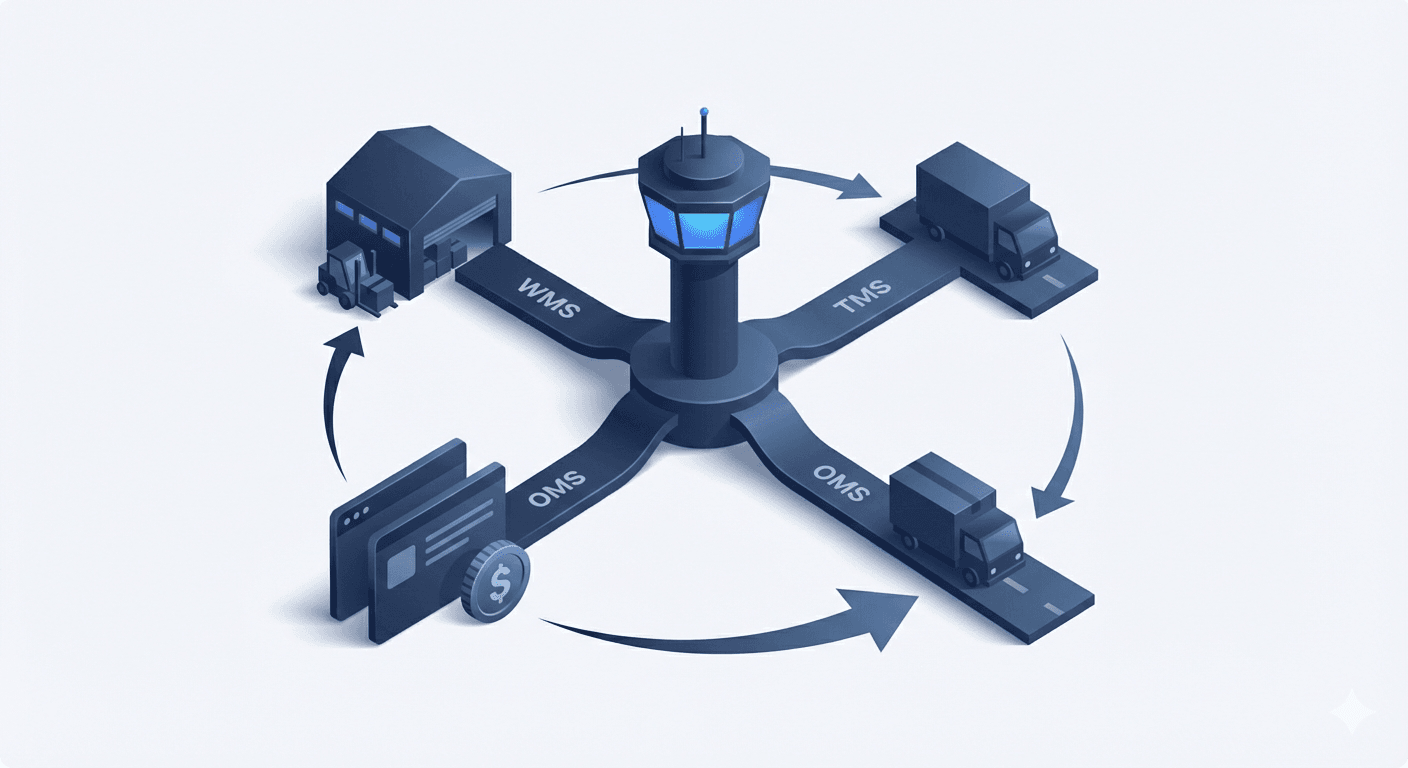
Buying order management software often looks straightforward at the start. A few vendor demos, a feature comparison sheet, some pricing discussions, and a shortlist begin to take shape. But the real difficulty usually appears later, when businesses realize they are not just choosing a tool. They are choosing the system that will sit between commerce, inventory, fulfillment, logistics, and customer experience.
That is why the best buying process is not driven by feature lists alone. It is driven by questions. The right questions reveal whether an OMS fits your operating model, whether it can support growth, whether it will reduce friction across teams, and whether it will still make sense two years from now.
This guide is designed as a practical OMS buying guide for decision-makers who want to avoid a shallow selection process. If you are evaluating order management software in 2026, the goal is not just to find a platform that sounds capable. It is to choose one that can support multi-channel operations, improve fulfillment performance, and remain a strong fit as the business scales.
Why buying order management software is harder than it looks
Many businesses start looking for an OMS when operational pain becomes visible. Orders are being managed across too many dashboards. Inventory is harder to trust. Routing decisions are still manual. Customer support is chasing shipment updates. Teams are working hard, but complexity is growing faster than control.
At that point, the temptation is to search for a platform with the longest feature list or the fastest demo. That usually leads to a weak buying process.
The challenge is that ecommerce OMS platforms often sound similar on the surface. Most claim to support order orchestration, inventory visibility, automation, integrations, and analytics. The real differences appear in workflow depth, operational fit, implementation quality, usability, and long-term scalability. A good demo may hide a poor fit. A low price may hide expensive limitations. A popular vendor may still be wrong for your operating model.
That is why a serious order management system evaluation starts by asking better questions before asking for final pricing.
What order management software should actually solve
Before comparing vendors, it helps to clarify what order management software is supposed to improve.
A strong OMS should create more control over how orders move through the business. It should help teams manage demand across channels, coordinate inventory more accurately, automate routing and fulfillment decisions, improve visibility across the order lifecycle, and reduce the manual work that slows operations down.
For some businesses, that means better multi-channel order management across marketplaces, ecommerce stores, and retail channels. For others, it means stronger inventory allocation, cleaner handoffs to warehouse and shipping systems, or more reliable exception handling. The exact use case differs, but the principle is the same. The system should reduce operational drag, not just digitize it.
That is what makes the buying process more strategic than it first appears. You are not buying software to own another dashboard. You are buying infrastructure for execution.
##The most important questions to ask before buying order management software
Does this software fit how our business actually operates?
This is the first question because it filters out weak options quickly.
An OMS can be technically strong and still be the wrong choice if it is built for a different operating model. A marketplace-led brand, a D2C retailer, a business with B2B and B2C flows, and a company managing multiple fulfillment nodes do not all need the same kind of order orchestration.
When evaluating vendors, ask whether the platform fits your current channel mix, fulfillment structure, and business model. Ask how it handles the specific workflows your teams deal with today, not just generic workflows shown in a polished demo.
This matters because OMS for retail brands should support real retail complexity, not just simple order capture and status updates. The more your business depends on multiple channels, variable fulfillment paths, or service-level commitments, the more operational fit matters.
Can it support multi-channel order management without adding complexity?
Most businesses looking at an OMS are already dealing with some version of channel fragmentation. Orders come in from different marketplaces, storefronts, or sales systems. Teams switch between interfaces. Inventory sync becomes harder to trust. Exceptions take longer to resolve because data is split across systems.
That makes multi-channel order management a central evaluation point.
The question is not only whether the platform supports multiple channels. It is whether it makes those channels easier to manage together. A useful OMS should centralize order visibility, normalize data in a workable way, and help teams act from one operational view rather than forcing them to manage complexity across disconnected tools.
This is one of the most important OMS selection criteria because many businesses buy software hoping to reduce fragmentation and end up reproducing it inside a more expensive system.
How strong are its inventory visibility and order routing capabilities?
Two of the most important functional areas in order management software are inventory coordination and routing logic.
Inventory visibility matters because order decisions are only as good as the stock data behind them. If the system cannot provide a reliable view of available, reserved, and allocated inventory across locations or channels, service quality will eventually suffer. Overselling, stockouts, and delayed decisions are often symptoms of weak inventory coordination rather than weak effort.
Order routing matters because it shapes how fulfillment gets executed. Ask how the platform handles allocation rules, warehouse selection, service-level logic, inventory-based routing, and fallback scenarios. Ask whether routing can be configured around your priorities or whether it is mostly fixed.
A strong OMS should support practical automation, not just static order capture. This is especially important for businesses evaluating order fulfillment software as part of a broader effort to improve operational speed and consistency.
Will it integrate cleanly with our existing systems?
This is where many buying decisions either become practical or become painful.
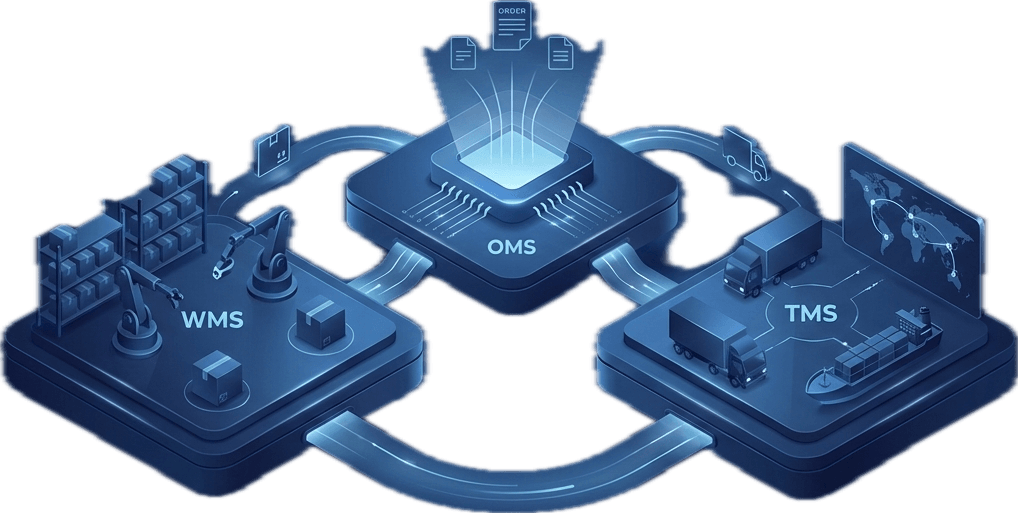
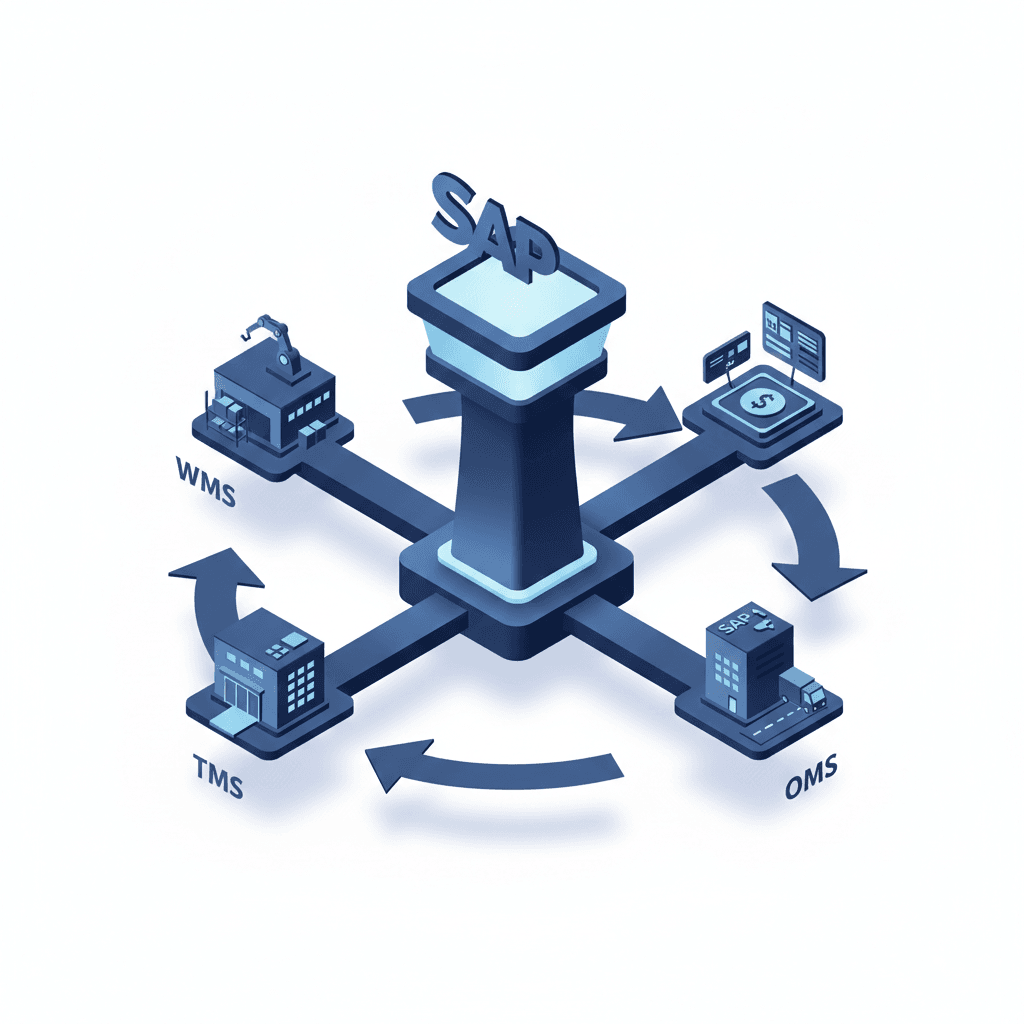
An OMS rarely operates alone. It usually needs to work with ecommerce platforms, marketplaces, ERP systems, warehouse systems, shipping tools, finance workflows, and customer communication systems. That makes OMS integrations and scalability one of the most important areas to examine seriously.
Ask what integrations exist today, how mature they are, how they behave in live environments, and where custom work may be required. Ask who owns the integration once it is live and how changes are managed over time.
This question matters because “yes, we integrate with that system” is often one of the least useful answers in software buying. What matters is how well the integration works, what data it syncs, how exceptions are handled, and whether the integration supports your real workflow rather than a simplified version of it.
Can it scale with our order volume and workflow complexity?
Scalability is often discussed in vague terms, but it should be evaluated practically.
A platform may be fine for today’s order volume and still become a bottleneck once the business adds more channels, more users, more automation rules, more warehouses, or more exception volume. That is why scalability should be viewed as more than traffic capacity. It should include operational complexity.
Ask how the system performs during peak volume. Ask what kinds of businesses it typically supports. Ask whether workflow complexity, not just order count, changes how the platform performs. Ask what happens when the business expands into new markets or adds new fulfillment models.
This is one of the most important themes in a serious OMS vendor comparison because many teams buy for current pain but underestimate future operating needs. The right OMS should not just help you survive your current setup. It should support the next stage of growth without forcing a major reset.
How usable is it for operational teams?
A platform can look excellent in a decision-maker demo and still frustrate the people who use it every day.
That is why usability should be treated as part of core evaluation, not as a cosmetic detail. Order operations involve customer support teams, fulfillment managers, planners, analysts, and operational leadership. If the system is difficult to navigate, slow to search, hard to filter, or confusing during exceptions, adoption weakens quickly.
Ask vendors to show how real users complete real operational tasks. Ask how easy it is to manage holds, exceptions, split orders, cancellations, partial fulfillment, and order search. Ask how quickly a new user can become productive inside the system.
This matters because software that technically supports a workflow may still create operational friction if teams cannot move through that workflow efficiently.
What reporting and analytics does it provide?
A good OMS should do more than help teams process orders. It should help them understand how operations are performing.
Ask what reporting is available out of the box. Ask whether the platform supports order lifecycle visibility, fulfillment performance views, exception tracking, and cross-channel analysis. Ask whether data can be exported cleanly or connected to broader BI workflows.
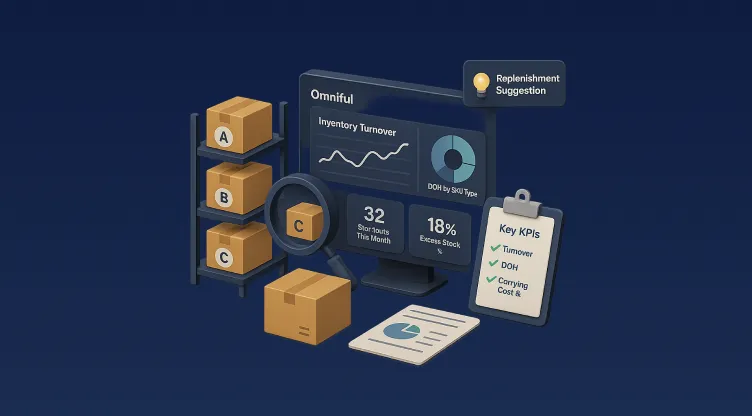
Strong reporting improves decision quality. It helps teams identify bottlenecks, monitor service levels, track order behavior across channels, and improve process design over time. Weak reporting turns the OMS into a transaction system without enough strategic value.
For businesses that want a platform to support not just execution but better operational planning, reporting depth matters more than it may seem during the buying stage.
How does the vendor handle implementation and support?
The quality of the vendor relationship often becomes much more important after the contract is signed.
Ask how implementation works, what internal effort is expected from your team, what timelines are realistic, and how workflow mapping is handled. Ask what training and onboarding support look like. Ask how support requests are prioritized after go-live and what kind of customer success structure exists.
A platform can be strong on paper and still underperform if implementation is rushed, support is weak, or the vendor does not understand your operating context. This is why vendor quality should be part of order management system evaluation, not something treated separately after platform scoring.
The best vendors usually show strong operational understanding, not just strong product positioning.
What does pricing really include?
Pricing should never be viewed only as license cost.
Ask what is included in the subscription, what costs are tied to implementation, what integrations require additional fees, how support is structured, and whether future scale changes pricing materially. Ask how custom workflows, additional users, or new channel connections affect total cost of ownership.
This is important because many buying teams focus too much on entry pricing and not enough on long-term cost structure. The cheaper platform is not always the lower-cost decision if it creates more manual work, slower execution, or expensive customization later.
A good buying process evaluates value, fit, and long-term operational cost together.
This may be the most important question because it forces a business-level perspective.
Choosing the wrong OMS can create visible costs such as poor implementation, wasted subscription spend, or delayed automation. But it can also create quieter costs that are just as serious. These include fragmented visibility, higher manual effort, weak scalability, unreliable order orchestration, and a longer path to process improvement.
The purpose of an OMS buying guide is not simply to help you compare product claims. It is to reduce the risk of choosing a platform that creates a second wave of operational problems after the first wave made you shop for software in the first place.
Common mistakes businesses make during OMS selection
Most poor buying outcomes come from a few recurring mistakes.
Some teams focus too heavily on features and not enough on workflow fit. Others underestimate integration complexity because a vendor confirmed a connector exists. Some buy for current scale only and overlook how quickly operational needs can change. Others prioritize price so aggressively that they end up choosing a cheaper platform that creates more manual effort and lower long-term value.
Another common problem is relying too heavily on generic demos. A generic demo can make almost any platform look capable. What reveals true fit is scenario-based evaluation. Ask vendors to show how they handle the kinds of order, inventory, and fulfillment situations your team actually sees.
That shift alone can improve the quality of an OMS vendor comparison significantly.
How to make a smarter order management system evaluation
A better buying process usually starts with internal clarity.
Before comparing vendors, define where your current operation is losing time, control, or visibility. Map the most important workflows. Identify where manual work is highest, where integrations matter most, where inventory confidence is weakest, and where customer experience is most exposed to operational gaps.
Once that is clear, vendor evaluation becomes more grounded. You are no longer asking whether the platform is impressive. You are asking whether it solves the right problems in the right way.
That is the core of strong OMS selection criteria. The system should align with operational reality, support future scale, and make execution easier across teams. When those conditions are met, the software is much more likely to deliver value beyond the initial implementation phase.
Final thoughts on buying order management software
Buying order management software is ultimately a decision about how your business wants to operate as complexity grows.
The best buying outcomes do not come from the fastest shortlist or the most persuasive demo. They come from asking sharper questions about operational fit, integration quality, scalability, usability, reporting, and vendor reliability. Those questions help businesses choose a platform that supports not only today’s workflows, but tomorrow’s growth.
That is why the smartest approach to order management software is not to ask which vendor is best in general. It is to ask which platform is best for your business model, your teams, your channels, and your future state.
If your evaluation process is centered on the right questions, the final decision becomes much clearer. And in 2026, that clarity matters more than ever.
FAQs
What questions should you ask before buying order management software?
Before buying order management software, ask about business fit, core features, integrations, scalability, usability, reporting, implementation approach, support quality, and total cost of ownership.
How do you choose the right order management software?
Choose the right OMS by evaluating how well it fits your workflows, supports multi-channel operations, integrates with your existing systems, and scales with future growth.
What features are essential in order management software?
Essential features usually include centralized order visibility, real-time inventory coordination, automated order routing, analytics, exception handling, and strong integration with ecommerce and logistics systems.
Why is scalability important in an OMS?
Scalability matters because an OMS should continue performing well as order volume, channel count, automation rules, and fulfillment complexity increase over time.
What are common mistakes when buying OMS software?
Common mistakes include choosing based only on price, underestimating integration needs, relying too much on polished demos, ignoring workflow fit, and buying only for current scale.
How do you evaluate order management system vendors?
Evaluate OMS vendors by looking at operational fit, integration maturity, workflow depth, reporting quality, implementation approach, support model, and long-term business value.