Returns Sorting Zones in 2026: How Smart Warehouses Optimise Triage and Refurbishment
İçindekiler

Paylaş


The Busy Bee Summary
Don’t have time to dive in? Here’s what you need to know:
Returns are an unavoidable part of modern commerce. But handling them well can unlock operational excellence and improve customer satisfaction. Creating dedicated warehouse zones for returns sorting, triage, and refurbishment is a smart way to streamline reverse logistics. When paired with a strong Warehouse Management System (WMS), these zones boost efficiency, reduce errors, and recover more value from returned stock. This guide walks you through how and why to set them up—and the technologies that power them.
Why Warehouse Returns Matter More Than Ever
In the age of same-day delivery and hassle-free returns, the post-purchase experience has become a key battleground for customer loyalty. In the MENA region—particularly in the GCC where e-commerce is expanding rapidly—returns logistics can make or break brand reputation.
Customers now expect returns to be processed quickly and fairly. But most warehouses were built for outbound fulfilment—not the messy, unpredictable nature of returns.
Enter the Returns Sorting Zone—a practical approach that separates return flows from general inventory to simplify triage, refurbishment, and reintegration.
What Is a Returns Sorting Zone?
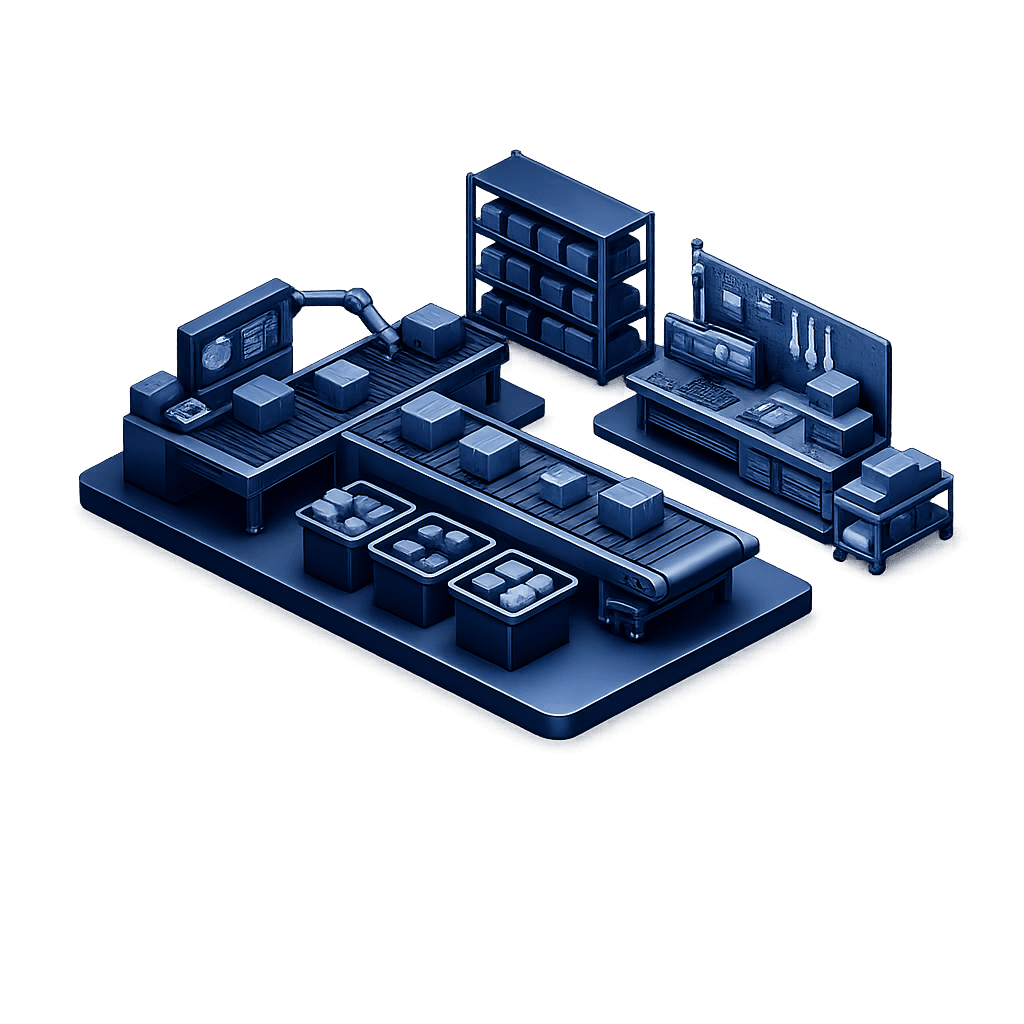
A Returns Sorting Zone is a dedicated space within a warehouse designed specifically to handle returned items. These zones typically include:
- Triage Stations: For inspecting, grading, and categorising items
- Refurbishment Areas: For cleaning, repackaging, or light repair
- Quarantine Shelves: For items awaiting review or quality checks
- Decision Points: For routing goods to resale, recycling, donation, or disposal
These zones act as a buffer between customer returns and restocking. When supported by a smart WMS, they become an efficient engine for value recovery.
Why Your Warehouse Needs This Now
Boost efficiency, cut confusion
Without a dedicated area, returns pile up wherever space is available—leading to misplacement, stock inaccuracy, and low visibility. A defined returns zone prevents bottlenecks and creates workflow clarity.
Unlock inventory value
Many returned items are still in resale condition. With fast inspection and light refurbishment, they can be resold—reducing write-offs and preventing avoidable losses.
Improve decision-making
Whether an item is fit for resale, refurbishment, or rejection, a clear triage flow helps teams take the right action faster.
Enhance compliance and customer experience
In regulated categories such as pharma or electronics (common in the UAE and Saudi Arabia), handling faulty or expiry-sensitive goods correctly isn’t optional—it’s required.
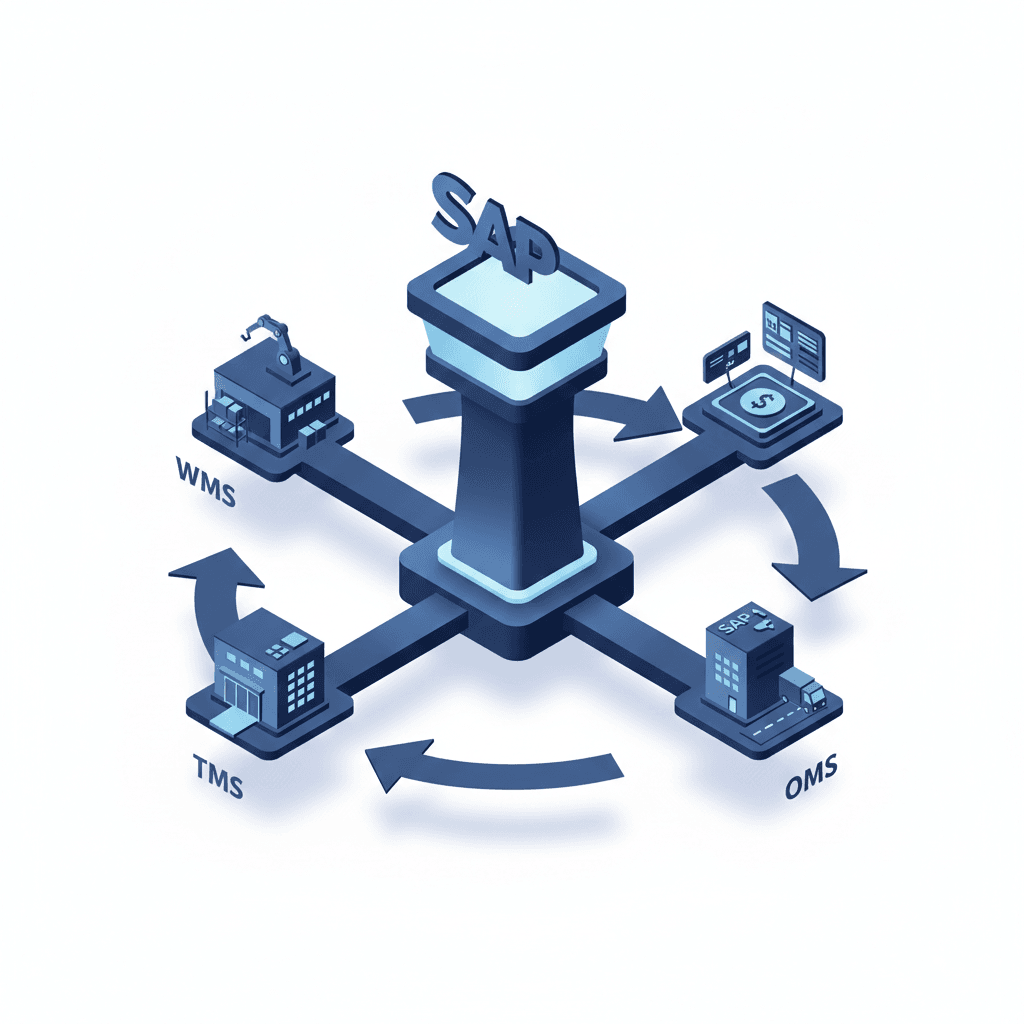
How a Warehouse Management System (WMS) Makes It All Work
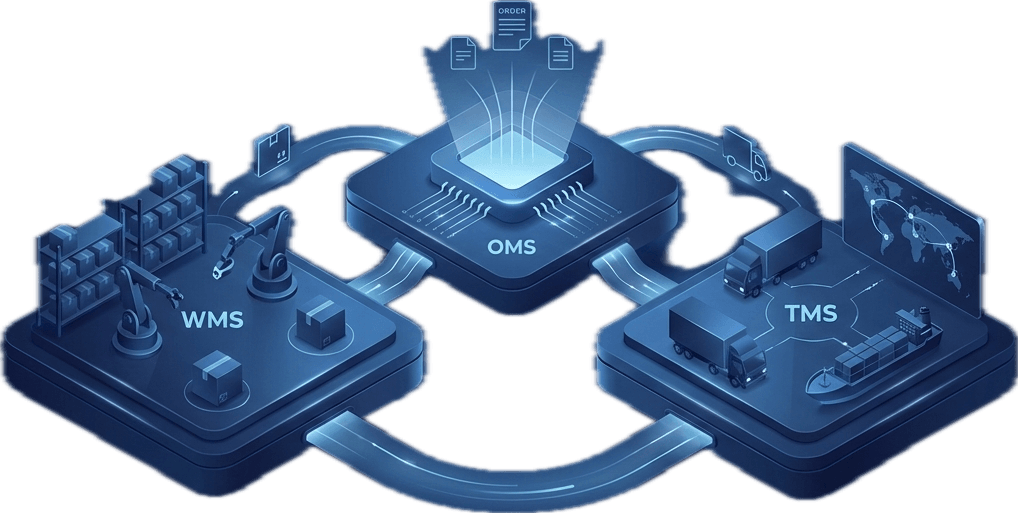
A WMS isn’t just about tracking stock. It’s the operational layer that enables automation and transparency across warehouse workflows—including returns.
Key WMS Functions That Support Returns
- Real-time inventory updates: Ensure return statuses are reflected quickly across systems and channels
- Inspection and grading workflows: Tag and track items by condition to standardise decisions
- Quarantine zones in WMS: Hold questionable items until approval or disposal decisions are made
- Item-level traceability: Track by batch, lot, or serial number—especially for expiry-sensitive goods
- Mobile support: Scan, sort, and tag returns using handheld devices directly at the returns zone
- Refurbishment routing: Automatically route items to refurbishment or re-kitting workstations based on condition
This level of integration is especially important in fast-paced sectors like Quick-Commerce, where return speed affects stock availability and customer promises.
Warehouse Management System Examples That Get It Right
Omniful offers a cloud-native WMS built for MENA logistics realities. It supports:
- Zone management for returns
- Triage and grading workflows
- Integration with ecommerce platforms for faster refund triggers
- Support for BORIS (Buy Online, Return In Store)
- Refurbishment workflows for D2C brands
Example: Some brands report faster return-to-restock cycles when returns are zoned, scanned, and condition-tagged consistently using WMS workflows.
Practical Tips for Setting Up Returns Sorting Zones
If you're ready to optimise returns in your warehouse, start with these best practices:
- Designate a clear space: Physically separate returns from outbound workflows
- Standardise triage steps: Use a checklist for inspections and grading
- Label everything: Use barcodes or QR codes to track condition and next actions
- Use visual aids: Coloured bins, signage, and posters reduce training time and errors
- Train your team: Make returns handling part of onboarding—not an afterthought
What Happens Without This?
- Stockouts due to miscounted returns
- Customer service complaints due to refund delays
- Regulatory risks from improperly stored returns
- Lost value from salvageable items left too long
The result is lost sales, reduced trust, and operational waste.
See Omniful in Action
Whether you run a 3PL hub, a retail dark store, or a D2C brand, strong returns workflows matter. With Omniful, you can set up return sorting zones that connect to your sales channels, WMS, and refurbishment workflows.
✅ Real-time visibility
✅ Automated workflows
✅ Faster refund triggers
✅ Higher resale recovery
Want to streamline returns? Request a demo today.
FAQs About Warehouse Returns Sorting Zones (FAQs)
Do I need a large space to create a sorting zone?
Not at all. Even a small, well-organised section can make a measurable difference.
Can I automate return grading?
Some steps can be automated with barcodes, scanning apps, and guided workflows—but human judgment often remains essential for quality assessment.
How do I track refurbished stock?
Use your WMS to assign a condition tag (or a separate SKU strategy if needed) and place it back into inventory under a defined “refurbished” category.
What does BORIS mean in warehouse terms?
BORIS stands for Buy Online, Return In Store. This omnichannel method requires your systems to sync return events and inventory updates across channels in near real time.
Paylaş