Integration Platforms for SMBs: Connect Your Tech Stack

İçindekiler

Paylaş


Integration Platforms for SMBs: Connect Your Tech Stack
Summary
Integration platforms for SMBs are essential for connecting fragmented systems like OMS, WMS, and transportation management systems (TMS) into a unified, automated workflow. In 2026, small and medium-sized businesses can no longer rely on disconnected tools if they want to scale efficiently and compete in fast-moving logistics environments.
By enabling real-time data flow between systems, integration platforms eliminate manual processes, reduce errors, and improve operational visibility. Businesses can automate order processing, synchronize inventory, optimize shipping, and track logistics KPIs such as on-time delivery KPI and carrier performance.
This guide explains how integration platforms work, why SMBs need them, how they connect logistics systems, and how they improve logistics performance metrics to drive growth and efficiency.
Content
What are Integration Platforms for SMBs
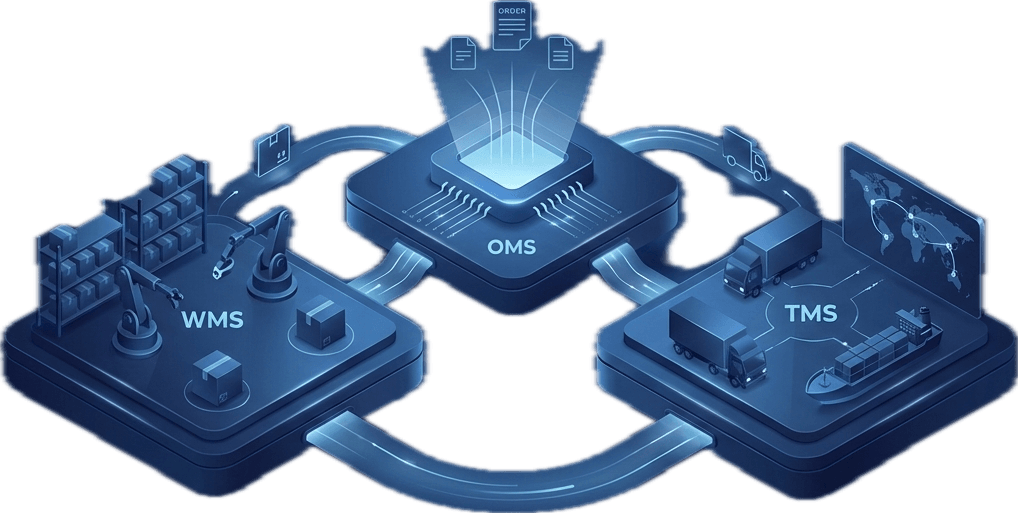
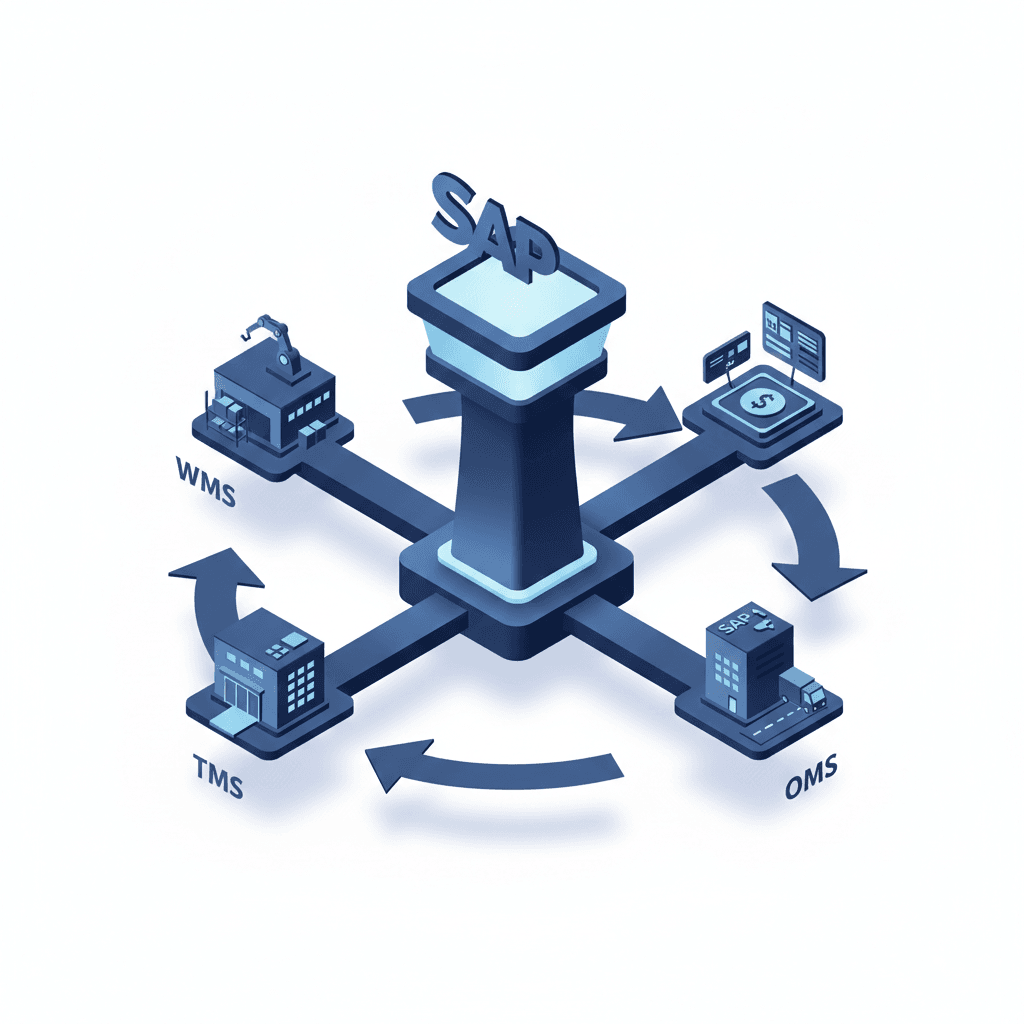
Integration platforms for SMBs are software solutions that connect multiple business systems—such as OMS, WMS, and TMS—into a single, unified ecosystem. These platforms enable seamless data exchange and automated workflows across the entire supply chain.
Instead of operating in silos, systems become interconnected, allowing information to flow in real time.
Systems Typically Connected
Integration platforms bring together:
- Order Management Systems (OMS)
- Warehouse Management Systems (WMS)
- Transportation Management Systems (TMS)
- E-commerce platforms (Shopify, marketplaces)
- Payment gateways
- CRM systems
- Accounting tools
Example: Unified Workflow
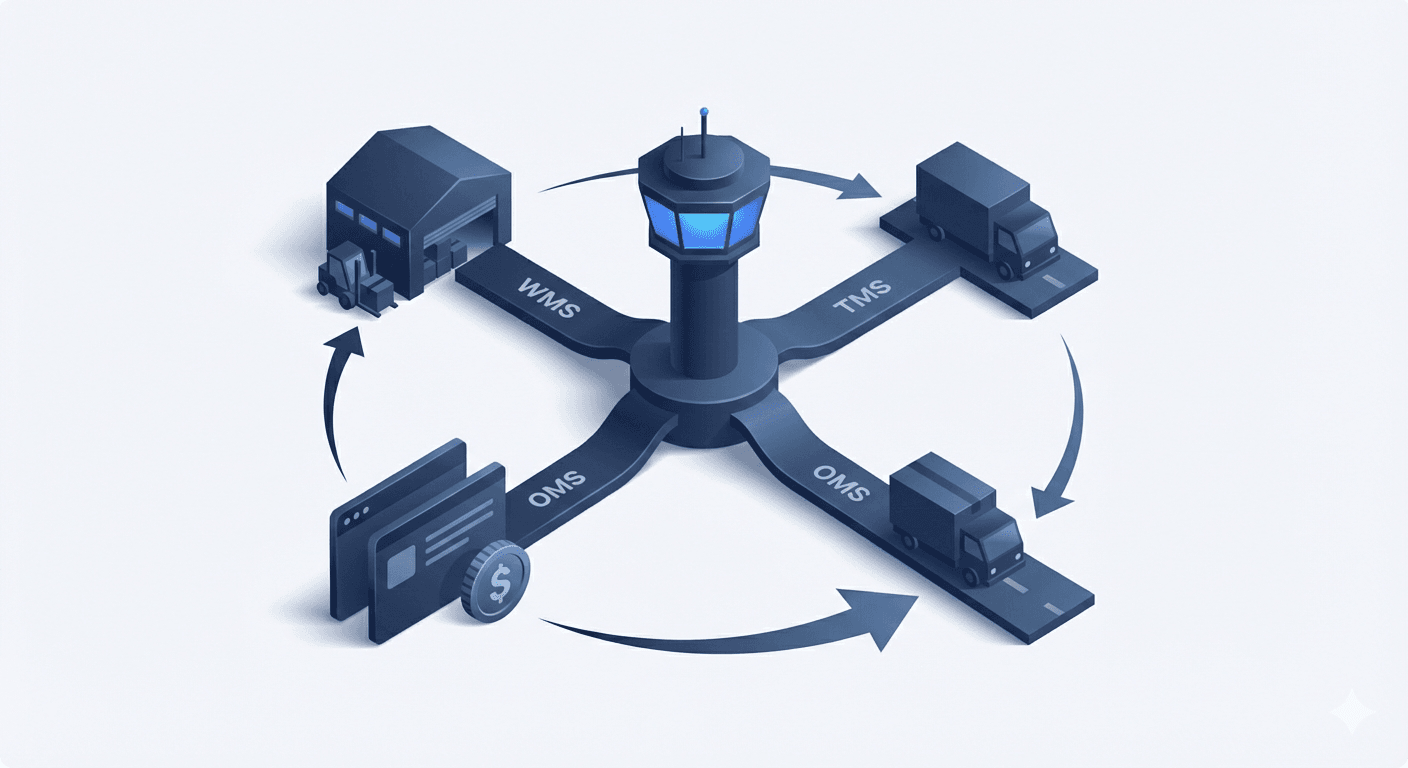
This seamless flow reduces delays and improves logistics performance metrics.
Why Integration Platforms are Important for SMBs
Small and medium businesses often operate with limited resources and multiple disconnected systems.
Challenges Without Integration
- Manual data entry across systems
- Data inconsistencies
- Delayed order processing
- Poor inventory visibility
- Inefficient shipping workflows
These issues directly impact logistics KPIs 2026 such as delivery speed and accuracy.
Key Benefits of Integration Platforms
| Benefit | Impact |
|---|---|
| Real-Time Data Flow | Eliminates data silos |
| Automation | Reduces manual work |
| Improved Visibility | End-to-end supply chain insights |
| Faster Decision-Making | Access to real-time data |
| Scalability | Supports business growth |
Integration platforms are critical for SMBs aiming to build scalable logistics operations.
How Integration Platforms Connect OMS, WMS, and TMS
Integration platforms act as a central layer that connects different systems.
OMS Integration
OMS handles:
- Order capture
- Order routing
- Inventory allocation
Integration ensures that order data flows automatically to warehouse and transportation systems.
WMS Integration
WMS manages:
- Inventory tracking
- Picking and packing
- Stock movements
Integration ensures inventory updates are synchronized across systems.
Transportation Management System (TMS) Integration
A transportation management system (TMS) handles:
- Shipment planning
- Carrier selection
- Delivery tracking
- Logistics analytics
Integration platforms connect TMS with OMS and WMS to enable:
- Real-time shipment updates
- Automated carrier selection
- Improved delivery visibility
Key Features of Integration Platforms for SMBs
1. Real-Time Data Synchronization
All systems stay updated with the latest data.
Example:
- Inventory updates reflect instantly across OMS and WMS
- Shipment status updates flow from TMS to customer dashboards
2. Workflow Automation
Automation eliminates repetitive manual tasks such as:
- Order routing
- Inventory updates
- Shipment creation
3. Centralized Data Visibility
Businesses get a unified view of:
- Orders
- Inventory
- Shipments
- Performance metrics
This improves decision-making.
4. Carrier Performance Analytics
Integration platforms enable carrier performance analytics by combining data from TMS and delivery systems.
Key insights include:
- Delivery success rate
- Delay frequency
- Carrier reliability
5. Logistics KPI Monitoring
Integration platforms track:
- On-time delivery KPI
- Order accuracy
- Fulfillment speed
- Freight invoice accuracy
These insights improve operational efficiency.
How Integration Improves Logistics KPIs
Integration platforms directly impact key performance metrics.
Key Logistics KPIs Improved
| KPI | How Integration Helps |
|---|---|
| On-Time Delivery KPI | Real-time tracking and routing optimization |
| Order Accuracy | Automated data synchronization |
| Fulfillment Speed | Faster order processing |
| Freight Invoice Accuracy | Reduced billing errors |
| Carrier Performance | Data-driven carrier evaluation |
These improvements are essential for logistics KPIs 2026.
Step-by-Step Guide to Implement Integration Platforms
Step 1: Identify Systems to Integrate
Start by mapping all existing systems:
- OMS
- WMS
- TMS
- E-commerce platforms
Step 2: Choose the Right Integration Platform
Select a platform that supports:
- API-based integrations
- Real-time data synchronization
- Scalability
Step 3: Integrate OMS, WMS, and TMS
Connect systems to enable data flow across:
- Orders
- Inventory
- Shipments
Step 4: Automate Workflows
Define automation rules for:
- Order processing
- Inventory updates
- Shipment creation
Step 5: Enable Analytics and Reporting
Use integrated data to monitor:
- Logistics KPIs
- Carrier performance
- Delivery efficiency
Step 6: Optimize Continuously
Integration is not a one-time process.
Businesses should continuously improve workflows based on data insights.
Integration Platforms in MENA Logistics
In the MENA region, logistics operations are becoming increasingly complex.
Key Drivers
- Growth in e-commerce
- Multi-carrier shipping environments
- Cross-border logistics
- Customer demand for faster deliveries
Integration platforms enable businesses to leverage transportation analytics MENA for better decision-making.
Best Practices for Integration Platforms
Use API-First Systems
Modern systems should support API integrations for flexibility.
Ensure Data Consistency
Maintain standardized data formats across systems.
Focus on Real-Time Updates
Real-time data improves decision-making and customer experience.
Monitor Performance Regularly
Use TMS reporting and analytics to track performance metrics.
Common Mistakes in System Integration
Partial Integration
Connecting only a few systems limits efficiency gains.
Ignoring Data Quality
Poor data leads to inaccurate insights.
Lack of Scalability
Integration platforms should support future growth.
Overcomplicating Workflows
Automation should simplify operations, not complicate them.
Expert Tips for SMBs
Start with Core Systems
Begin with integrating OMS, WMS, and TMS before expanding.
Use Modular Integration Approach
Build integrations in phases for better control.
Leverage Analytics
Use integrated data to improve logistics performance metrics.
Focus on Customer Experience
Integration should enhance delivery visibility and reliability.
Conclusion
Integration platforms for SMBs are essential for building efficient, scalable, and data-driven logistics operations. By connecting OMS, WMS, and transportation management systems (TMS), businesses can eliminate manual workflows, improve visibility, and automate key processes.
These platforms enable real-time data synchronization, improve on-time delivery KPI performance, and enhance carrier performance analytics. As logistics operations become more complex in 2026, integrated systems will play a critical role in improving efficiency and customer experience.
SMBs that invest in integration platforms today will be better positioned to scale operations, reduce costs, and compete effectively in modern supply chains.
Paylaş