Logistics KPIs 2026: Metrics Every Supply Chain Must Track
İçindekiler

Paylaş


Logistics KPIs 2026: Metrics Every Supply Chain Must Track
Summary
Logistics KPIs 2026 are essential metrics that help businesses measure delivery performance, cost efficiency, and carrier reliability in modern supply chains. With the rise of e-commerce, multi-carrier shipping, and complex fulfillment networks, tracking the right KPIs is critical for operational success.
Using a transportation management system (TMS) combined with advanced analytics, companies can monitor key indicators such as on-time delivery, freight invoice accuracy, damage rates, and carrier performance. These insights enable data-driven decisions, improve logistics efficiency, and enhance customer satisfaction.
In this guide, you will learn the most important logistics KPIs to track in 2026, how to measure them effectively, and how to use analytics tools to optimize your supply chain performance.
Content
What are Logistics KPIs 2026
Logistics KPIs 2026 refer to the most important performance metrics used to measure and optimize supply chain and transportation operations in modern logistics environments.
These KPIs provide visibility into:
- Delivery performance
- Transportation costs
- Carrier efficiency
- Shipment accuracy
- Operational productivity
In 2026, logistics KPIs are increasingly powered by transportation management systems (TMS) that provide real-time data and analytics dashboards.
Why KPIs Matter in Modern Logistics
Without KPI tracking, businesses face:
- Lack of visibility into operations
- Poor delivery performance
- Inefficient carrier usage
- Rising logistics costs
With the right KPIs, companies can make informed decisions and continuously improve performance.
Why Logistics KPIs 2026 are Important
Tracking logistics KPIs is critical for maintaining competitive advantage.
Key Benefits of KPI Tracking
| Benefit | Impact |
|---|---|
| Improved Delivery Performance | Higher customer satisfaction |
| Cost Optimization | Better freight cost control |
| Carrier Accountability | Improved service quality |
| Operational Efficiency | Faster and smoother workflows |
| Data-Driven Decisions | Better strategic planning |
Impact on Supply Chain Performance
Modern supply chains rely heavily on data.
Tracking logistics performance metrics allows businesses to:
- Identify inefficiencies
- Optimize delivery routes
- Improve warehouse and transportation coordination
- Enhance customer experience
Key Logistics KPIs Every Supply Chain Must Track
1. On-Time Delivery KPI
The on-time delivery KPI measures the percentage of shipments delivered within the promised timeframe.
Formula
Damage Rate (%) = (Damaged Shipments / Total Shipments) × 100
Why It Matters
- Impacts customer satisfaction
- Increases return costs
- Reflects handling quality
5. Order Fulfillment Speed
Measures how quickly orders move from placement to delivery.
Why It Matters
- Critical for e-commerce businesses
- Improves competitive advantage
- Reduces delivery delays
6. Cost per Shipment
Tracks the average cost of shipping each order.
Why It Matters
- Helps optimize logistics expenses
- Improves profitability
- Enables cost benchmarking
7. Delivery Success Rate
Measures the percentage of successfully completed deliveries.
8. Transit Time
Measures the time taken for shipments to move from origin to destination.
Role of Transportation Management System (TMS) in KPI Tracking
A transportation management system (TMS) plays a central role in tracking logistics KPIs.
Key TMS Capabilities
- Real-time shipment tracking
- Carrier performance analytics
- Cost monitoring
- Delivery optimization
- KPI dashboards
Example KPI Dashboard
| KPI | Data Source |
|---|---|
| On-Time Delivery | Shipment tracking |
| Freight Costs | Billing data |
| Carrier Performance | Delivery records |
| Transit Time | GPS tracking |
TMS platforms enable TMS reporting and analytics for better decision-making.
Logistics KPIs in the MENA Region
In regions like MENA, logistics complexity is increasing.
Challenges
- Multi-carrier networks
- Cross-border shipments
- High delivery expectations
Businesses use transportation analytics MENA to track:
- Delivery performance
- Carrier efficiency
- Cost optimization
Step-by-Step Guide to Tracking Logistics KPIs
Step 1: Define KPI Objectives
Identify what you want to measure:
- Delivery performance
- Cost efficiency
- Carrier reliability
Step 2: Implement a TMS
Use a transportation management system (TMS) to collect and analyze data.
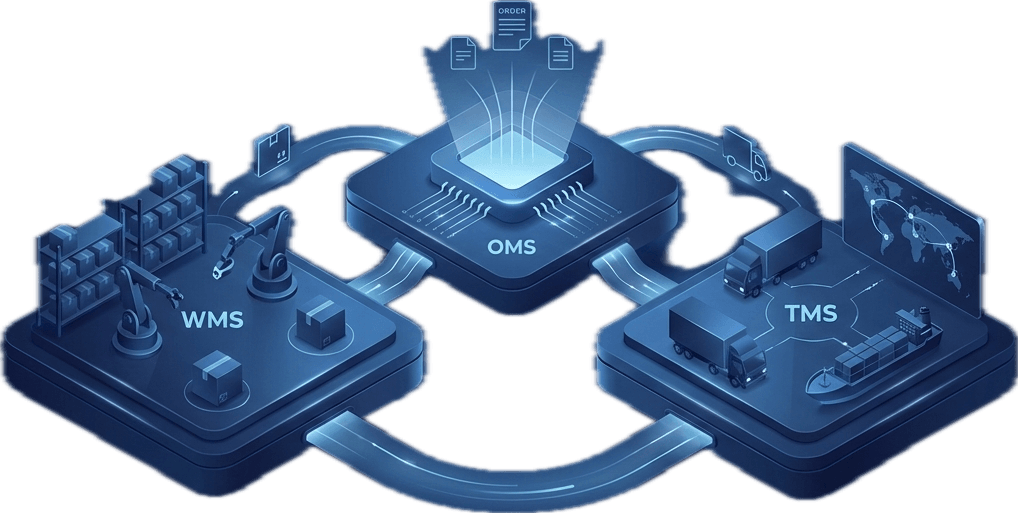
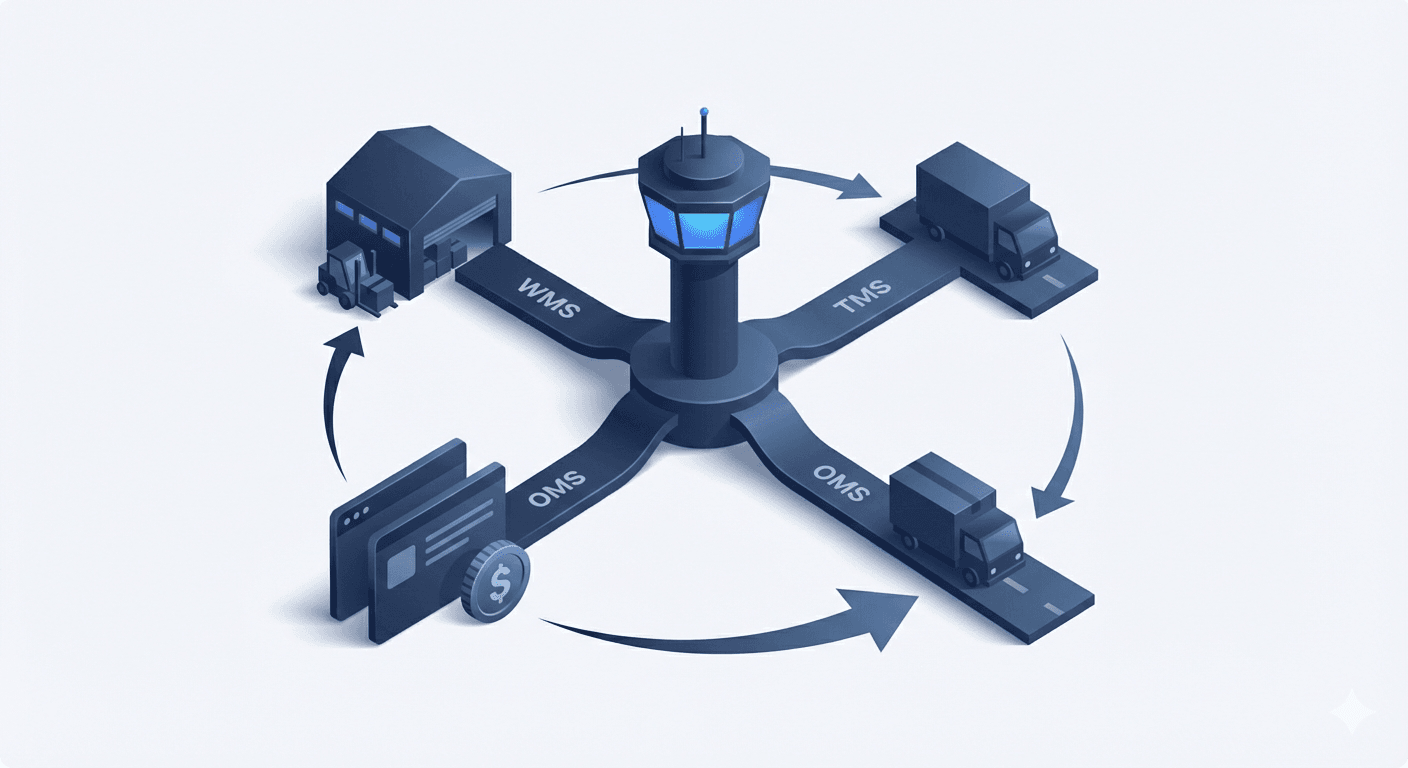
Step 3: Integrate Systems
Connect:
- OMS
- WMS
- TMS
This ensures accurate data flow.
Step 4: Monitor KPI Dashboards
Track KPIs in real time.
Step 5: Analyze Trends
Identify patterns in:
- Delivery delays
- Cost fluctuations
- Carrier performance
Step 6: Optimize Operations
Use insights to:
- Improve routing
- Select better carriers
- Reduce costs
Best Practices for Managing Logistics KPIs
Use Real-Time Data
Real-time data improves decision-making.
Focus on Actionable Metrics
Track KPIs that directly impact operations.
Benchmark Performance
Compare performance across:
- Regions
- Carriers
- Time periods
Automate KPI Tracking
Automation reduces manual effort and improves accuracy.
Common Mistakes in KPI Tracking
Tracking Too Many KPIs
Focus on the most impactful metrics.
Ignoring Data Accuracy
Poor data leads to incorrect insights.
Lack of Integration
Disconnected systems limit visibility.
Not Acting on Insights
KPIs are only valuable if used for improvement.
Expert Tips for Improving Logistics Performance Metrics
Optimize Carrier Selection
Use carrier performance analytics to choose the best partners.
Improve Delivery Planning
Use predictive analytics to anticipate delays.
Reduce Freight Costs
Monitor freight invoice accuracy and eliminate discrepancies.
Enhance Visibility
Use real-time tracking for better control over shipments.
Conclusion
Logistics KPIs 2026 are essential for measuring and improving supply chain performance in modern logistics operations. By tracking key metrics such as on-time delivery KPI, freight invoice accuracy, and damage rates, businesses can gain valuable insights into their operations.
With the help of a transportation management system (TMS) and advanced analytics, companies can monitor performance in real time, optimize carrier selection, and improve overall efficiency. These insights enable data-driven decisions that reduce costs, improve delivery reliability, and enhance customer satisfaction.
As logistics networks become more complex, businesses that effectively track and optimize logistics performance metrics will gain a significant competitive advantage in 2026 and beyond.
Paylaş