10 Best Blue Yonder Alternatives for Supply Chain Management in 2026

İçindekiler

Paylaş


As supply chains worldwide remain in constant motion, companies need the most capable supply chain management systems available. Supply chain management software improves operational efficiency while increasing visibility across business processes. These ERP systems help businesses connect smoothly with partners, clients, warehouses, and other entities across the network.
No matter the size of a business in 2026, the best SCM software for businesses helps teams see beyond internal workflows—into partner performance, analytics, and execution outcomes. That visibility supports better delivery commitments, smarter decisions, and stronger margins. Yet, according to a KPMG survey, less than half -- 43% of organizations surveyed -- have limited to no visibility of tier-one supplier performance. Logistics management tools like Blue Yonder are built to address these gaps. Still, as operations evolve, many teams look for a Blue Yonder alternative that better matches their goals, operating model, and integration needs.
What is Blue Yonder?
Blue Yonder is a leading supply chain management software solution. It provides tools to optimize inventory, transportation, and warehouse processes.
Key Features of Blue Yonder
- Demand Forecasting: Predict consumer needs with advanced analytics.
- Transportation Management: Streamline logistics for faster delivery and reduced costs.
- Inventory Optimization: Balance supply and demand to minimize waste and stockouts.
- AI-Driven Insights: Use machine learning to enhance decision-making.
Even with strong capabilities, the platform may not be the right fit for every organization—so it’s common to compare Blue Yonder alternatives when priorities, scale, or constraints differ.
Top Blue Yonder Alternatives for Supply Chain Management in 2026
If you’re evaluating Blue Yonder alternatives, you’re likely searching for more flexibility, fresher workflows, or an easier experience for users and admins. As you scale operations, tighten SLAs, and rely more on integrations, the “right” logistics management tool can materially change outcomes.
Below are top Blue Yonder alternatives, each with strengths that suit different business needs.
| Solution | Key Features | Pros | Cons | Pricing | Best For | Ratings |
|---|---|---|---|---|---|---|
| Omniful | A-Modular suite combining OMS/WMS/TMS - use individually or integrated, AI-driven operations, Real-time inventory synchronization, Customizable workflows, Smart automation tools, Cross-module data consistency | 2-4 weeks implementation, Local support, 40% boost in efficiency, 30% reduction in stock errors, Seamless ERP integration, Modern cloud architecture | Newer to market | Usage-based pricing | Enterprises of all sizes seeking modern, AI-powered supply chain optimization | High satisfaction with proven efficiency metrics |
| SAP IBP | Demand-driven replenishment, Predictive analytics, Real-time collaboration, Scenario planning tools, Seamless SAP integration | Advanced analytics, Comprehensive planning | Steep learning curve, Complex implementation, High costs | $100,000+ annually | Large enterprises using SAP ecosystem | 4.5/5 (G2) |
| Oracle SCM Cloud | AI-powered demand forecasting, Real-time transportation tracking, Advanced inventory planning, Procurement management | Strong forecasting, Highly scalable, Comprehensive modules | Complex implementation, Higher costs, Overwhelming for small teams | Custom enterprise pricing | Medium to large enterprises needing scalability | 4.5/5 (G2) |
| Kinaxis RapidResponse | Real-time scenario planning, Integrated planning workflows, Cloud-native platform, Data-driven insights | Fast decision-making, Real-time visibility, Agile response system | Limited feature breadth, Less comprehensive than competitors | Tailored pricing based on size | Industries with dynamic supply chains | 4.4/5 (Capterra) |
| Manhattan Associates | Advanced WMS/TMS, Omnichannel fulfillment, AI-driven analytics, Automation capabilities | Deep specialization, Advanced algorithms, Proven track record | High implementation cost, Long implementation time, Significant investment | $100,000+ per year | Large retail and e-commerce operations | 4.6/5 (TrustRadius) |
| Infor Nexus | Multi-enterprise visibility, Predictive analytics, Collaborative logistics, Financial supply chain tools | Real-time collaboration, Strong visibility, Unified ecosystem | Too extensive for small businesses, Complex integration | Custom pricing | Businesses with complex supplier networks | 4.2/5 (Software Advice) |
| o9 Solutions | AI-driven planning, Demand sensing/forecasting, Scenario modeling, Real-time collaboration | Advanced AI capabilities, Unified platform, Dynamic solutions | Extensive training needed, Complex pricing structure | Custom enterprise pricing | Mid-to-large enterprises seeking AI-driven insights | 4.5/5 (G2) |
| Logility | Demand planning, Supply/inventory alignment, Sustainability metrics, Predictive analytics | User-friendly interface, Strong planning tools, ESG compliance focus | Limited real-time execution, Less comprehensive | $50,000+ annually | Companies focusing on demand planning and sustainability | 4.3/5 (Software Advice) |
| e2open | End-to-end visibility, Integrated tools suite, Advanced analytics, Collaboration features | Comprehensive solution, Strong automation, Multi-partner support | Complex implementation, Time-intensive setup, Overwhelming features | Custom based on complexity | Large enterprises with multi-partner chains | 4.4/5 (Capterra) |
| Anaplan | Dynamic scenario planning, Multi-dimensional modeling, Collaborative workflows, Cloud-based architecture | Flexible platform, Strong collaboration, Good scalability | Complex configuration, Requires expert guidance | Custom enterprise pricing | Businesses needing integrated planning | 4.6/5 (G2) |
Top Blue Yonder Alternatives in 2026
1. Omniful
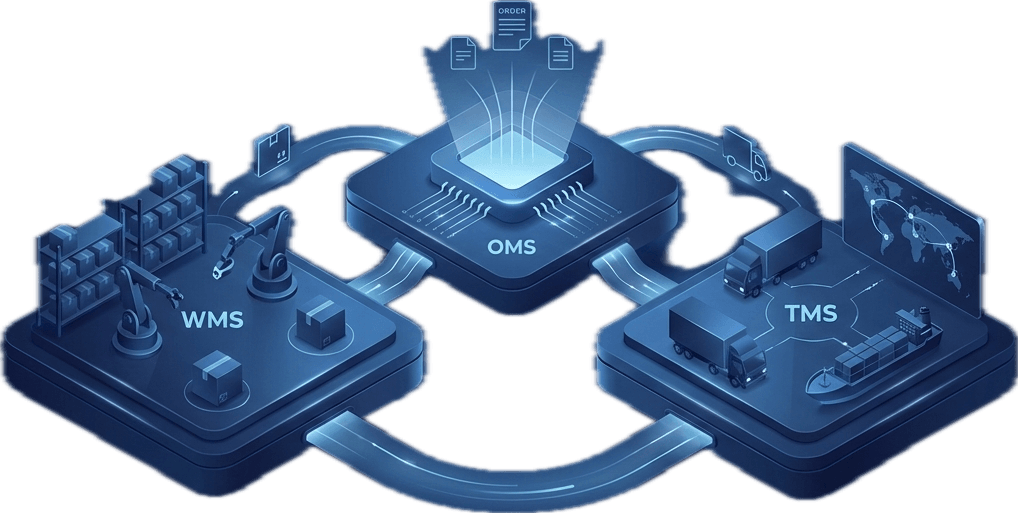
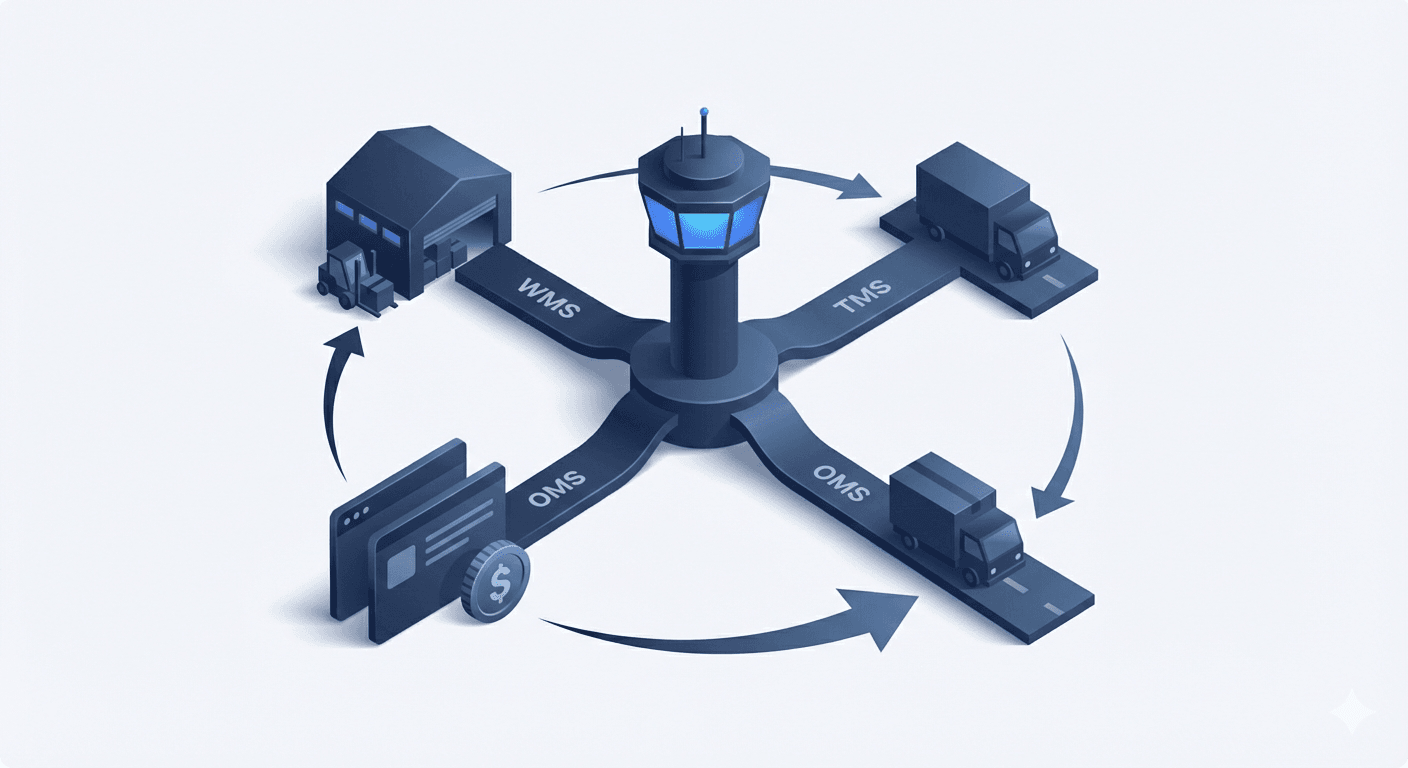
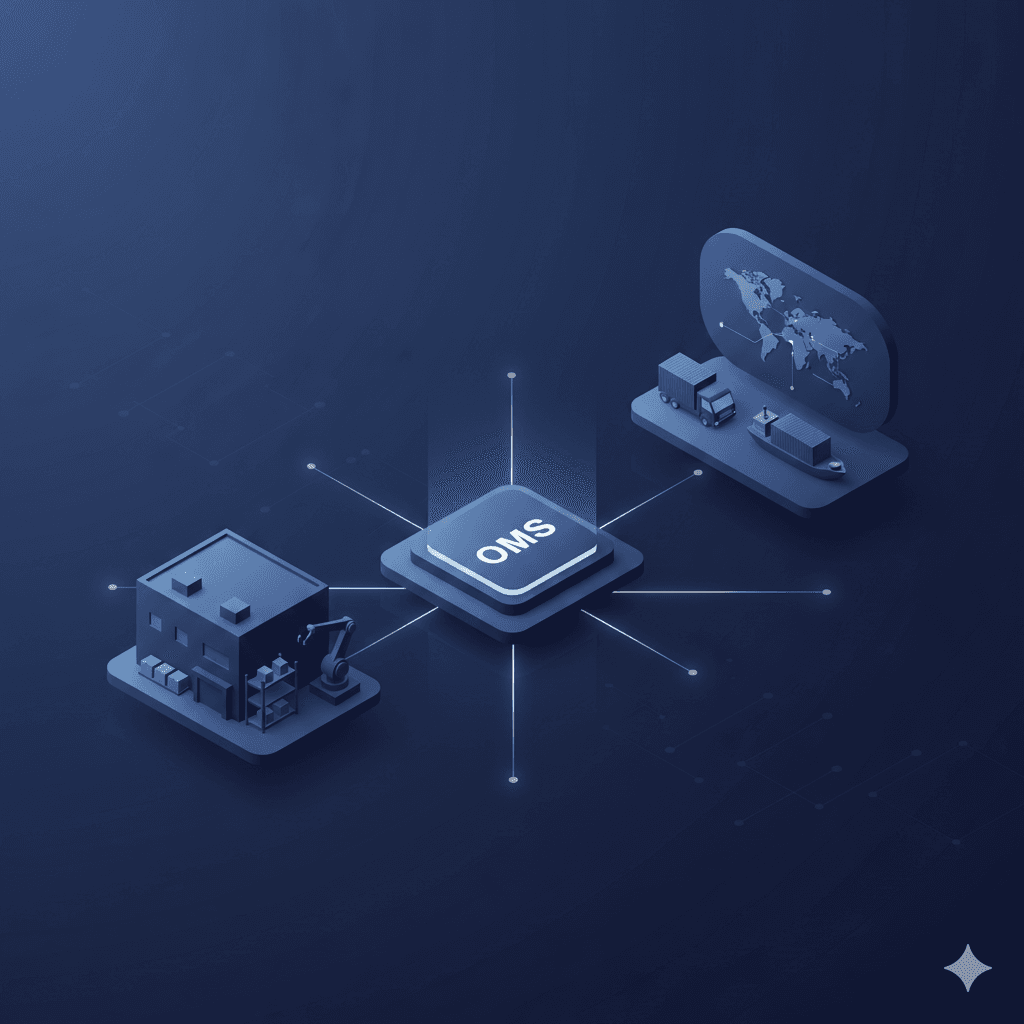
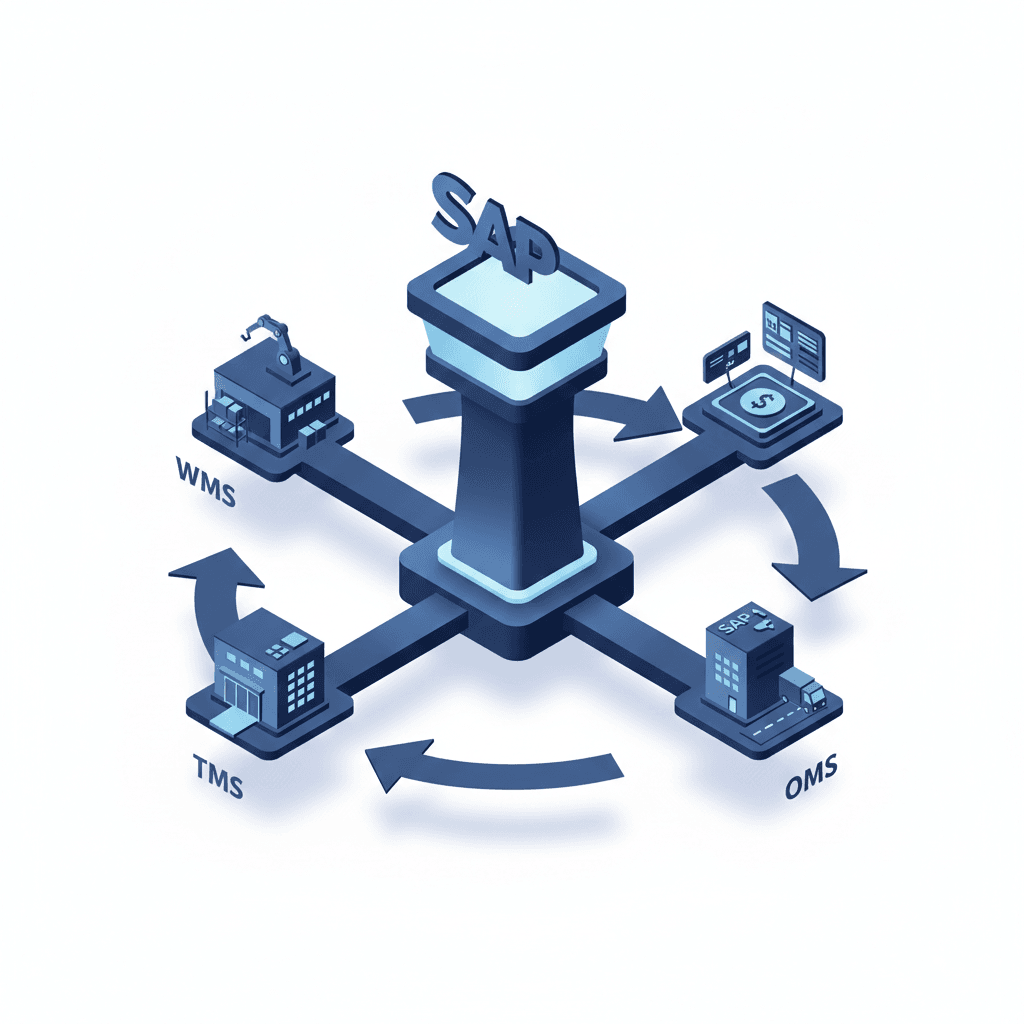
Omniful is quickly becoming a recognized name in supply chain management. Compared to many legacy platforms, Omniful is built on a modern, cloud-native architecture. As one of the best SCM software for businesses in 2026, Omniful brings warehouse management (WMS), transportation management (TMS), and order management (OMS) into one suite that can be used individually or fully integrated.
The platform is designed around speed, operational accuracy, and easier integrations. If your business is dealing with delayed orders, inconsistent inventory, or limited end-to-end visibility, Omniful’s AI-driven approach is positioned to address those pain points directly.
Key Highlights:
- Order Accuracy You Can Count On: Boost efficiency by 40% with smarter order management.
- Accelerated Fulfillment: The Omniful WMS cuts fulfillment times by up to 75%.
- Error-Free Inventory Management: Omniful’s rule-based OMS configurations improve inventory accuracy by 100%.
- Plug-and-Play Integrations: The platform offers ease of connection with existing ERP systems.
Why Omniful Stands Out: Omniful emphasizes measurable outcomes—such as reducing stock errors by 30%—which makes it a strong option for organizations preparing to scale. It’s particularly useful for teams that want a cloud-based foundation without carrying forward older infrastructure limitations. Best For: Enterprises of all shapes and sizes looking for modern, AI-powered supply chain optimization. Pricing: Usage-based Ratings: High satisfaction, backed by reports of a 30% reduction in stock errors.
Customer Testimonial: "Switching to Omniful was a game-changer. Our fulfillment is faster, and errors have dropped significantly."
2. SAP Integrated Business Planning (IBP)
SAP Integrated Business Planning (IBP) is a Blue Yonder alternative that brings multiple planning processes together in one place. As a cloud-based platform, it’s geared toward businesses that want end-to-end visibility and tighter control over how planning connects to execution. SAP IBP integrates smoothly with the SAP ecosystem and is built to align forecasting, planning, and operational decision-making for more resilient supply chain performance.
Where SAP IBP often shines is ecosystem consistency. Planning, operations, and logistics can share data with fewer handoffs and less reconciliation. It is also known for predictive analytics and scenario modeling that help teams anticipate risk and evaluate trade-offs—useful in markets that shift quickly.
Key Features:
- Demand-driven replenishment and inventory optimization.
- Predictive analytics and "what-if" scenario planning.
- Real-time collaboration and planning tools.
- Seamless integration with SAP S/4HANA and other SAP modules.
Limitations: SAP IBP’s breadth can create a steep learning curve, especially for teams new to SAP. Best For: Enterprises that need a sophisticated, scalable solution for aligning supply chain planning with business objectives, especially those already using SAP products. Pricing: Custom pricing based on the size and complexity of your supply chain; typically starts at $100,000 annually for enterprise clients. Ratings: 4.5/5 on G2.
3. Oracle Supply Chain Management (SCM) Cloud
Oracle’s SCM Cloud is a flexible supply chain management software option to compare against Blue Yonder. It includes modules covering procurement, planning, inventory, and beyond. Because it’s modular, businesses can adopt what they need and expand over time, which supports scaling across different stages and operating models.
Oracle approaches supply chain management as an end-to-end system. Considered among the best SCM software for businesses, Oracle SCM Cloud provides tools to improve performance across logistics and core business processes. Whether the focus is procurement efficiency or inventory planning, the platform is designed to adapt to varied requirements.
Key Features:
- AI-powered demand forecasting.
- Real-time transportation tracking and analytics.
- Advanced inventory planning tools.
- Procurement and supplier management modules.
Limitations: Oracle SCM Cloud can become costly as additional modules are added. Smaller teams may also find it heavy without dedicated IT resources. Pricing: Custom pricing available; typically on the higher end for enterprise clients. Best For: Businesses seeking a highly scalable platform with strong forecasting capabilities. Ratings: 4.5/5 on G2.
4. Kinaxis RapidResponse
For organizations that prioritize speed and adaptability, Kinaxis RapidResponse is a strong contender. It’s built to help businesses respond to disruptions quickly—making it a fit for industries where rapid decisions matter, such as retail or electronics.
Kinaxis RapidResponse is centered on real-time decision-making. Its dashboards and collaborative planning tools support teams as they model scenarios and adjust plans quickly, keeping decisions grounded in current data.
Key Features:
- Scenario planning to model potential disruptions.
- Real-time data insights for agile decision-making.
- Integrated planning and execution workflows.
- Cloud-native platform for scalability.
Limitations: Kinaxis may not match the full feature breadth of platforms like SAP or Oracle. Best For: Industries with dynamic supply chains that require quick decision-making and adaptability, supported by real-time visibility and advanced analytics. Pricing: Tailored pricing based on business size and needs. Ratings: 4.4/5 on Capterra.
5. Manhattan Associates Supply Chain Software
Manhattan Associates is frequently included alongside logistics management tools like Blue Yonder and has been a supply chain technology leader for decades. Its solutions are especially relevant for large-scale retail and e-commerce operations, where fulfillment speed and order accuracy are non-negotiable.
Manhattan is well known for strong warehouse management (WMS) and transportation management (TMS) capabilities. Its algorithms and automation features aim to reduce labor costs while improving throughput and execution reliability.
Key Features:
- Best-in-class warehouse management.
- Transportation optimization tools.
- Omnichannel fulfillment capabilities.
- AI-driven supply chain analytics.
Limitations: Implementations often require substantial time and investment. It tends to be most valuable for organizations committed to long-term transformation. Best For: Retailers and e-commerce businesses that need advanced warehouse and transportation solutions. Pricing: Typically starts at $100,000+ per year for enterprise-grade solutions. Ratings: 4.6/5 on TrustRadius.
6. Infor Nexus
Infor Nexus is a cloud-based platform built for end-to-end supply chain visibility, with a strong emphasis on collaboration. It connects suppliers, manufacturers, and logistics providers in a shared ecosystem to help teams coordinate faster and with fewer gaps in information.
Infor Nexus aims to provide a reliable "single source of truth" for supply chain data. Real-time collaboration reduces delays and increases accountability across partners—making it useful for businesses working with third-party vendors or global suppliers.
Key Features:
- Multi-enterprise supply chain visibility.
- Predictive analytics to identify potential bottlenecks.
- Collaborative logistics management tools.
- Advanced financial supply chain management.
Limitations: For smaller teams, the enterprise scope can feel larger than what’s needed. Best For: Businesses looking for enhanced collaboration and visibility in complex supply chains. Pricing: Custom pricing based on business size and complexity. Ratings: 4.2/5 on Software Advice.
7. o9 Solutions
o9 Solutions Digital Brain is a Blue Yonder alternative for companies that want a strategic view of their supply chain. It’s designed to support high-visibility planning and decision intelligence, using AI (artificial intelligence) and machine learning (ML) to generate real-time insights so organizations can adapt to change faster.
o9 Solutions brings supply chain data into a unified platform, supporting collaboration, scenario modeling, and planning. It’s often considered when teams need predictive and dynamic planning capabilities rather than static cycles.
Key Features:
- AI-driven integrated business planning (IBP).
- Demand sensing and forecasting tools.
- Scenario modeling for risk and opportunity evaluation.
- Real-time collaboration across departments.
Limitations: Teams unfamiliar with AI-powered systems may need significant training. Its pricing model may also be a mismatch for smaller businesses. Best For: Mid-to-large enterprises aiming to unify their planning and decision-making processes with AI-driven insights. Pricing: Custom pricing based on company size and requirements. Ratings: 4.5/5 on G2.
8. Logility
Logility focuses on demand forecasting and supply chain optimization, making it a relevant Blue Yonder alternative for planning-led organizations. It is often chosen by teams looking to improve forecast accuracy and reduce operational inefficiencies through stronger alignment between demand, supply, and inventory.
Logility blends AI-driven analytics with a user-friendly interface, helping planning capabilities reach a broader set of users. Its sustainability metrics also support organizations tracking ESG alignment in supply chain strategy.
Key Features:
- Demand planning and optimization.
- Supply and inventory alignment tools.
- Integration with sustainability metrics for ESG compliance.
- Advanced analytics for predictive supply chain insights.
Limitations: Logility may not offer the same real-time execution depth as platforms like SAP or Manhattan Associates. Best For: Companies focused on improving demand planning and integrating sustainability goals into their supply chain strategies. Pricing: Starting at $50,000+ annually, depending on features and company size. Ratings: 4.3/5 on Software Advice.
9. e2open
e2open is an all-in-one supply chain management platform built for businesses operating complex, multi-enterprise networks. With collaboration and automation at the core, e2open aims to streamline processes while improving visibility from procurement through delivery.
Its main strength is stakeholder connectivity. Key decision makers can manage workflows across partners in a single ecosystem. Automation reduces manual work and helps improve consistency across processes.
Key Features:
- End-to-end supply chain visibility.
- Integrated inventory, procurement, and logistics tools.
- Advanced analytics for demand forecasting and risk mitigation.
- Collaboration features for third-party vendors and partners.
Limitations: The feature set can be extensive for smaller teams, and implementation may take time—especially with limited IT capacity. Best For: Enterprises managing large, multi-partner supply chains looking for end-to-end automation and visibility. Pricing: Custom pricing based on supply chain complexity and required modules. Ratings: 4.4/5 on Capterra.
10. Anaplan
A Blue Yonder alternative, Anaplan is a cloud-based planning and performance management platform built for flexibility and scale. It’s often used by organizations that need scenario modeling and forecasting, especially when planning must stay aligned across teams.
Anaplan supports real-time collaboration and offers an interface that helps departments coordinate planning cycles. Its "Connected Planning" approach aims to ensure that supply chain decisions remain integrated with broader business planning.
Key Features:
- Dynamic scenario planning and forecasting.
- Multi-dimensional data modeling.
- Collaborative workflows for cross-department alignment.
- Cloud-based architecture for scalability.
Limitations: The flexibility can increase configuration complexity. Many organizations require expert guidance to tailor it to highly specific supply chain needs. Best For: Businesses seeking a collaborative and scalable platform for integrated supply chain and business planning. Pricing: Custom pricing; typically on the higher side for enterprise use. Ratings: 4.6/5 on G2.
How to Choose the Right Blue Yonder Alternative
With several strong options available, the best choice depends on what your business needs most:
- Identify Core Requirements: Start with the gaps in your current setup—what is breaking, slowing, or limiting decisions?
- Consider Scalability: Choose a platform that can expand with your order volume, network complexity, and reporting needs.
- Integration: Confirm it can connect cleanly with the systems you already rely on.
- Budget: Balance capability with cost. For example, modern platforms like Omniful offer usage-based pricing models, which can be more cost-effective when you only pay for what you use, while traditional enterprise solutions may demand significant upfront investment.
- User Adoption: Prioritize usability and dependable support so the tool actually gets used across teams.
When your requirements match a platform’s strengths, you can standardize execution, reduce exceptions, and build a supply chain operation that’s ready for 2026 and beyond. The key is selecting a Blue Yonder alternative that genuinely fits your goals and operating realities.
Frequently Asked Questions
1. How long does it typically take to implement a new supply chain management solution?
Most traditional solutions take 6-12 months to implement. Modern platforms like Omniful can be implemented in 2-4 weeks, depending on your business requirements and system complexity.
2. What should I consider when choosing between these alternatives?
Focus on your business size, current pain points, integration needs, implementation timeline, budget, and your team's technical capabilities. Consider whether you need specific features like AI-powered analytics or real-time tracking.
3. Are cloud-based solutions as reliable as traditional on-premise systems?
Yes. Modern cloud solutions often provide better reliability with automatic updates, built-in redundancy, and enhanced security features. They also offer greater accessibility and scalability compared to on-premise systems.
4. How do I calculate the total cost of ownership for these solutions?
Add up implementation costs, subscription fees, training expenses, integration costs, and maintenance fees. Cloud-based solutions with usage-based pricing (like Omniful) often have lower total costs than traditional enterprise systems with large upfront investments.
Paylaş