Business Logistics in 2026: Transforming E-commerce into a Seamless, Efficient Experience
Table of Contents

Share On


Key Takeaways – The Essence of Logistics
- What is logistics? The process of managing the flow of goods from the point of production to the point of consumption at the lowest possible cost and highest efficiency.
- Why it matters in e-commerce: Improves customer experience by reducing delivery times and minimising fulfilment errors.
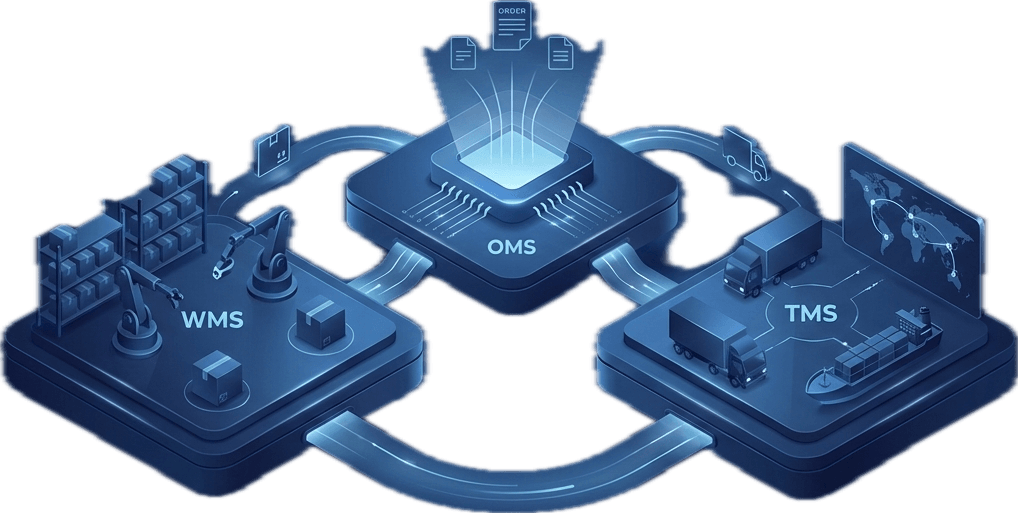
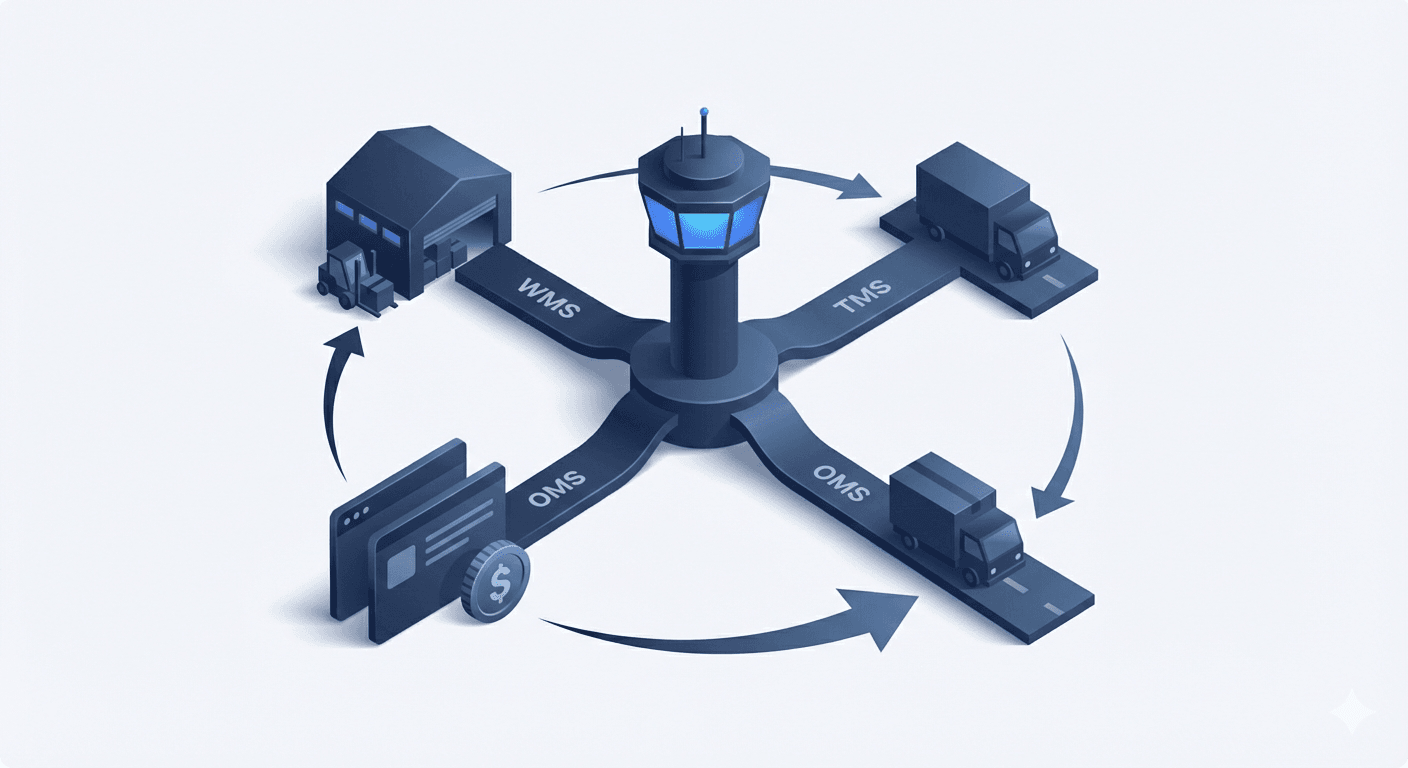
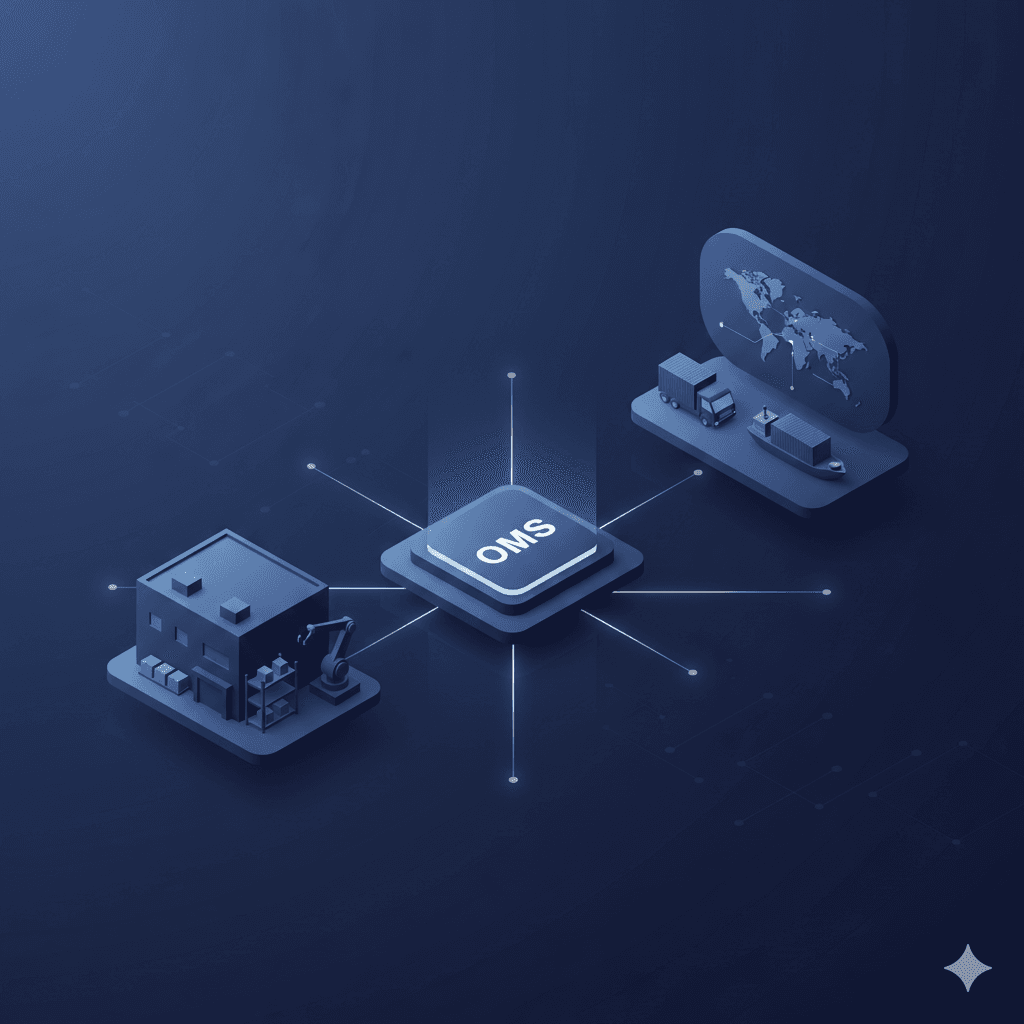
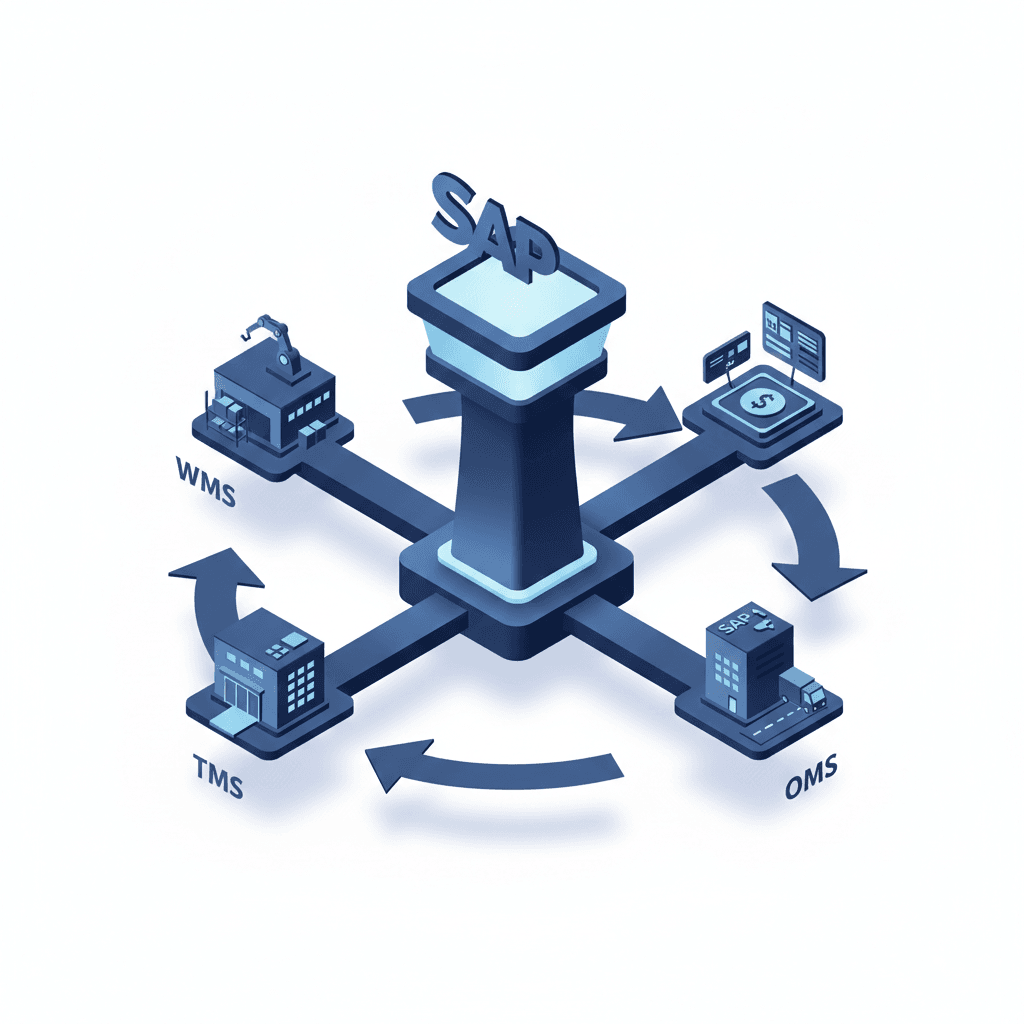
- Modern logistics systems: Use OMS, WMS, and TMS to streamline operations end to end.
- Future technologies: AI and data analytics improve accuracy, visibility, and operational efficiency.
- Optimisation tips: Use batch management and AI-powered route optimisation to reduce cost and improve performance.
Introduction – The Importance of Logistics in the Digital Age
Logistics is the backbone of any successful business, especially in the fast-paced world of e-commerce. With rising customer expectations for rapid deliveries and accurate order fulfilment, adopting modern logistics solutions is critical for improving customer experience and profitability.
Logistics is more than moving goods. It includes order management, inventory tracking, warehousing, transportation, and last-mile delivery. It’s an end-to-end process that starts with sourcing raw materials and ends with delivering the finished product to the customer.
What is Logistics?
Logistics is the art and science of managing the flow of goods and services from the point of production to the point of consumption. It includes transportation, warehousing, packaging, inventory management, and distribution. The primary goal is to achieve speed and efficiency at the lowest possible cost.
With technology reshaping operations, logistics is now more interconnected—requiring integrated systems for managing orders, shipments, and inventory.
Types of Logistics
- Inbound logistics: Movement of raw materials and goods from suppliers to factories or warehouses. The focus is on reducing transport cost and improving receiving efficiency.
- Outbound logistics: Distribution of finished products from factories or warehouses to customers or retailers. The focus is speed, accuracy, and customer satisfaction.
- Reverse logistics: Handling returns, damaged goods, and excess inventory moving back from customers to the business. It supports customer satisfaction and reduces waste.
- Green logistics: Reducing the environmental impact of logistics using sustainable practices and energy-efficient processes.
Modern Logistics Systems
Order Management System (OMS)
An OMS supports end-to-end order management, from order creation to delivery. Key capabilities include:
- Integration with multiple sales channels (e-commerce platforms, marketplaces, social commerce)
- Real-time order status updates and fewer manual errors
- Support for partial fulfilment and scheduled deliveries
- Better customer experience through accurate tracking and communication
Warehouse Management System (WMS)
A WMS optimises inventory control and warehouse operations. It enables:
- Real-time inventory visibility and accurate stock positions
- Batch management and cycle counting for stock accuracy
- Integration with order and shipping systems for smoother fulfilment
- Lower operating cost through better space utilisation and process control
Transportation Management System (TMS)
A TMS optimises shipping operations, improves delivery performance, and controls cost by enabling:
- Real-time vehicle tracking and fleet visibility
- AI-powered route optimisation for efficient dispatch and last-mile delivery
- Reduced delivery times and improved customer satisfaction
- Lower emissions through smarter route planning
How Logistics Improves Customer Experience
- Faster deliveries: Shorter delivery windows improve satisfaction and repeat purchase rates.
- Lower cost to serve: Efficient operations reduce logistics cost and protect margins.
- Higher accuracy: Better picking/packing accuracy reduces returns and support load.
- Faster expansion: Strong logistics makes it easier to serve new regions and channels.
- Digital integration: Real-time sync improves connectivity between inventory, orders, and delivery.
The Role of Technology in Modern Logistics
Modern logistics runs on systems and data. Common technologies include:
- AI-powered route optimisation: Improves transport efficiency and reduces fuel waste.
- Real-time inventory sync: Keeps stock accurate across locations and channels.
- Automated order processing: Reduces manual work and speeds up fulfilment.
- Machine learning and analytics: Delivers insights to improve forecasting and performance.
Tips for Optimising Your Logistics
- Adopt connected systems: Use OMS, WMS, and TMS together for end-to-end visibility.
- Improve inventory control: Use batch tracking, cycle counts, and real-time updates.
- Integrate transport and sales: Connect shipping workflows to sales channels for fewer delays.
- Use demand forecasting: Apply AI-driven forecasting to plan inventory and capacity.
- Focus on sustainability: Optimise routes, reduce waste, and adopt greener practices.
Frequently Asked Questions (FAQs)
What is logistics?
Logistics is the management of the flow of goods and services from production to consumption.
Why is logistics important for e-commerce?
It improves customer experience, reduces cost, and speeds up delivery.
What is the difference between OMS and WMS?
OMS manages orders and orchestration, while WMS manages inventory and warehouse operations.
How can logistics efficiency be improved?
By using integrated systems and automation such as AI-powered route optimisation and real-time inventory sync.
Share On