ERP for Franchise Models in 2026: Corporate Control with Local Autonomy in MENA

Table of Contents

Share On


Insights in Brief
- ERP platforms centralise operations while still enabling branch-level execution.
- Master Data Management (MDM) keeps products, pricing, and suppliers consistent across outlets.
- ERP modularity supports region-specific compliance without breaking global standards.
- Integrated modules simplify order, inventory, and returns workflows end to end.
- Modern ERP systems help MENA franchise brands scale quickly with stronger governance.
Introduction: Franchising in the MENA Region
Franchising is booming across the Middle East and North Africa, with Saudi Arabia and the UAE leading the expansion. Rising consumer demand and growing government support for entrepreneurship are accelerating growth—but they also introduce operational complexity.
Managing a franchise network is like running an orchestra. Every outlet must follow the same brand standards while still responding to local customer expectations. The real challenge is balancing consistency with flexibility.
This is where an ERP system becomes essential. A strong ERP gives you the structure to standardise processes across the network while allowing controlled autonomy at the outlet level.
Franchise Challenges: Complexity Behind the Scenes
Franchises help brands expand faster through decentralised ownership. But without a unified operating layer, franchise growth can become fragmented.
Common issues include:
- Disconnected inventory systems across locations
- Irregular pricing and promotion execution between outlets
- Inconsistent customer service quality
- Compliance variation across countries and zones
- Uneven brand experience across touchpoints
Without a single digital backbone, enforcing quality becomes difficult—and local innovation often turns into inconsistency.
The Role of ERP in Franchise Management
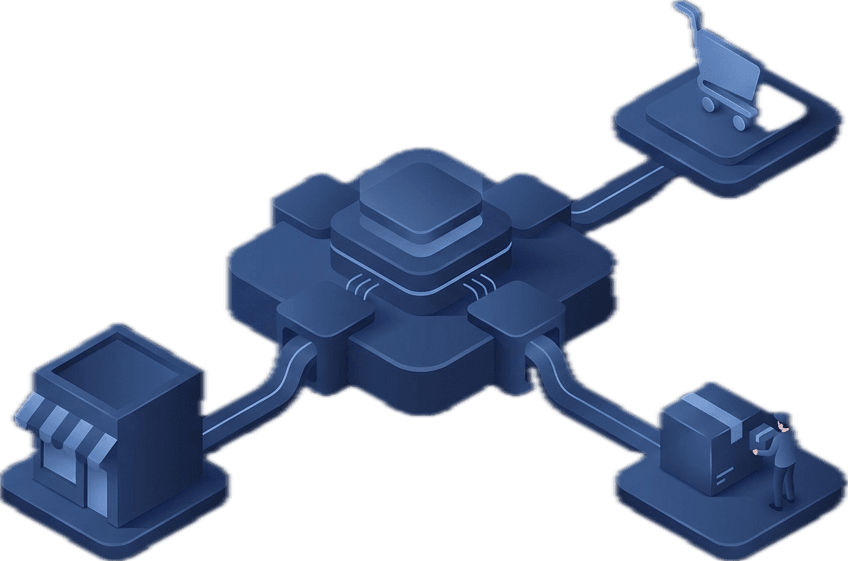
An Enterprise Resource Planning (ERP) system connects core functions across the business. From procurement to order flow, inventory visibility, and finance, every module works together.
For franchise operators, that translates into:
- Real-time visibility into sales, inventory, and outlet performance
- Standard workflows for operations, purchasing, and fulfilment
- Controlled local flexibility without breaking corporate policies
With this structure, each outlet operates like a strong local business—backed by central governance.
Why Master Data Management Matters
Managing product, pricing, tax, and supplier data across multiple outlets is difficult. Without consistency, errors multiply quickly.
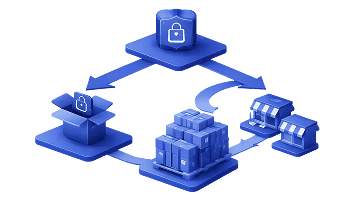
Master Data Management (MDM) solves this by creating a single source of truth for the entire network. When HQ updates product attributes, pricing, or vendor details, changes can be pushed across all outlets—fast and consistently.
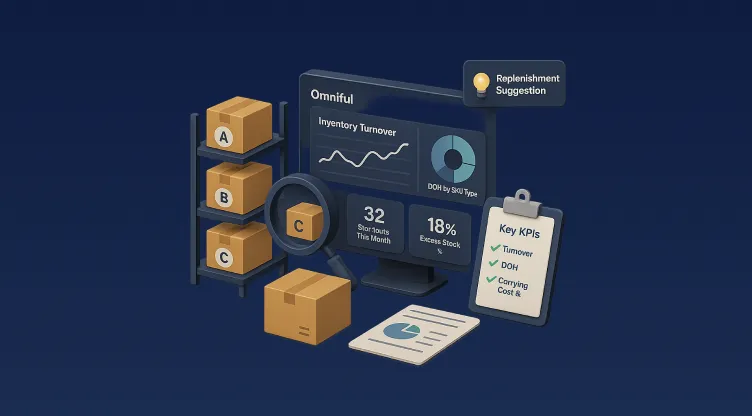
With tools like Omniful’s Inventory Management System, brands can sync item data across locations, reduce manual errors, and maintain reliable stock records—even across countries with different operating conditions.
Customisation Without Chaos: Modular ERP Design
Franchise brands must operate in very different environments—from Dubai’s urban hubs to smaller towns in Oman. Each market has different customer behaviour, infrastructure, and regulations.
That’s why modular ERP systems work best.
You can enable modules based on an outlet’s role and maturity. For example:
- Dark stores may only need Order Management
- Regional hubs benefit from Warehouse Management
With Plug-and-Play Integrations, outlets can add capabilities as they grow—without rebuilding systems from scratch.
SAP ERP and Other Enterprise Examples
Enterprise ERP providers offer strong capabilities for franchise networks.
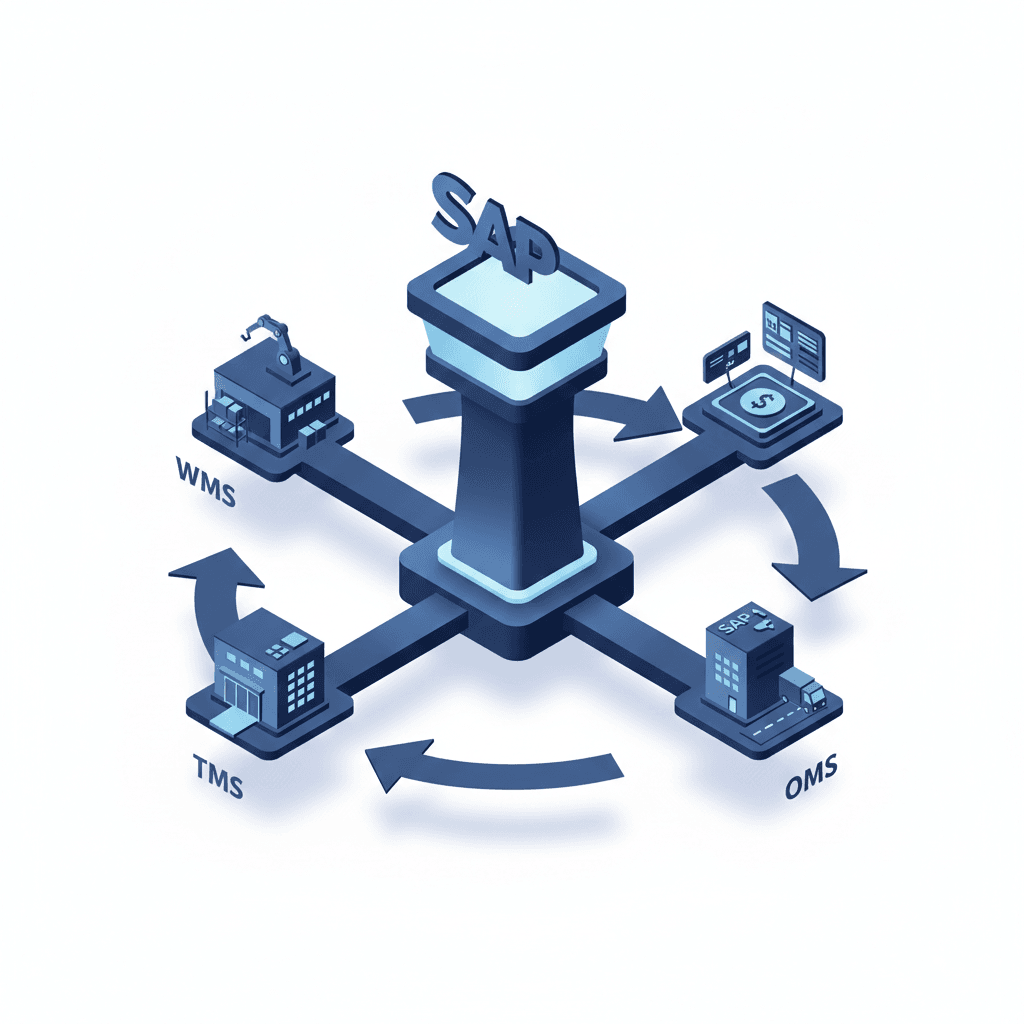
SAP ERP, for example, is known for deep customisation and global compliance support. For franchisors, it can enable multi-language dashboards and region-specific tax rules—useful for businesses operating across GCC markets where VAT and reporting requirements differ.
Platforms like Omniful, however, are designed with MENA operating realities in mind. Based in Riyadh, Omniful supports regional needs such as:
- Arabic dashboards
- ZATCA e-invoicing readiness
- Local delivery integrations via Shipping Gateway
This helps franchise brands deploy faster while maintaining operational clarity.
Autonomy at the Outlet Level
A franchise ERP should centralise standards, not micro-manage each outlet. The right system empowers local teams while keeping oversight at HQ.
Key enablers include:
- Role-based access control so managers see and manage only what they need
- Localised pricing and promotions within approved boundaries
- Outlet-level supplier configuration where local sourcing is required
All actions remain visible to HQ through audit trails and reporting—enabling governance without daily intervention.
Dashboards That Drive Results
Franchise decisions cannot rely on weekly reports. Leaders need live visibility.
With platforms like Omniful, dashboards can be tailored by role:
- HQ dashboards show network-wide performance
- Outlet dashboards show store-level trends and execution signals
Dashboards can also integrate with modules like Returns Management to track refund trends, reasons, and operational patterns across the network.
Staying Compliant Across Borders
MENA markets vary significantly in tax rules, document standards, and regulatory requirements.
ERP systems reduce compliance complexity by automating:
- Tax calculations
- Invoice formatting and numbering logic
- Required documentation by market
For example:
- Saudi Arabia requires e-invoicing compliance with ZATCA
- The UAE includes tax-free zones with different accounting requirements
Automation: Less Repetition, More Precision
As franchise networks scale, repetitive tasks multiply. ERP automation reduces operational load and increases consistency.
Examples include:
- Automated reorder triggers to prevent stockouts
- Invoice generation using standard templates
- Policy-based order splitting, merging, and rerouting
In last-mile operations, Transportation Management Systems help with clustering deliveries and planning efficient routes, improving delivery performance and cost control.
Scaling Without Losing Control
A franchise ERP should let you add new outlets quickly without reinventing your workflows each time.
With standard templates, new locations can be launched using consistent setup for:
- Items and catalog structures
- User roles and access
- Purchase workflows
- Customer and loyalty data
Once live, a new outlet can operate at the same standard as older branches—without long stabilisation cycles.
Franchise leaders can also monitor cross-outlet returns and customer signals using Returns APIs, improving governance and feedback loops at scale.
Conclusion: ERP is the Backbone of Sustainable Franchise Growth
Franchise success depends on structure, visibility, and responsiveness. ERP systems provide the foundation for all three.
With the right ERP in place, you gain:
- Network-wide visibility across operations
- Outlet-level flexibility within governance boundaries
- Faster scaling across regions, languages, and compliance zones
For franchise brands across MENA, choosing a platform built for local operating realities—like Omniful—can deliver the right balance of control and autonomy.
Frequently Asked Questions
How does ERP benefit franchise chains?
ERP enables central oversight while allowing outlets to run daily operations independently within defined policies.
Can outlets control their own stock and suppliers?
Yes. ERP systems allow local branches to manage stock and vendors within corporate guidelines and audit visibility.
Is SAP ERP suitable for MENA-based franchises?
Yes, especially with local compliance setup. Omniful offers region-specific localisation built natively for MENA operations.
Can I use inventory and order tools with ERP?
Yes. Omniful provides dedicated modules that work together as one unified system.
Share On