Freight Invoice Accuracy: Improve Costs & Logistics KPIs

Table of Contents

Share On


Freight Invoice Accuracy: Improve Costs & Logistics KPIs
Summary
Freight invoice accuracy is one of the most critical logistics KPIs in 2026, directly impacting cost control, financial transparency, and supply chain efficiency. Inaccurate freight invoices can lead to overbilling, hidden costs, and poor carrier accountability—ultimately affecting profitability.
With the adoption of transportation management systems (TMS), businesses can automate invoice validation, compare carrier charges against contracted rates, and detect discrepancies in real time. This significantly improves financial accuracy while reducing manual effort.
In this guide, you’ll learn what freight invoice accuracy is, why it matters, common billing errors, and how to use TMS and analytics to improve invoice validation, optimize logistics performance metrics, and strengthen carrier performance evaluation.
Content
What is Freight Invoice Accuracy
Freight invoice accuracy refers to how closely a carrier’s invoice matches the agreed contract rates, shipment details, and actual services provided—without discrepancies or errors.
A highly accurate invoice ensures that:
- Charges align with contracted pricing
- Billing reflects actual shipment activity
- No duplicate or incorrect charges exist
- All accessorial fees are valid
Example
If a carrier charges:
- Incorrect weight slab
- Extra fuel surcharge
- Duplicate delivery fees
→ The invoice is considered inaccurate.
Formula for Freight Invoice Accuracy
Freight Invoice Accuracy (%) = (Accurate Invoices / Total Invoices) × 100
Why It Matters
Freight invoice accuracy is not just a finance metric—it is a core logistics performance metric that reflects operational discipline and carrier reliability.
Why Freight Invoice Accuracy is Important
1. Cost Control and Profitability
Freight is one of the largest cost components in logistics.
Even small billing errors can result in:
- Significant cost leakage
- Reduced margins
- Budget overruns
2. Financial Transparency
Accurate invoices ensure:
- Clear visibility into shipping costs
- Reliable financial reporting
- Better audit compliance
3. Carrier Accountability
Freight invoice validation helps businesses:
- Evaluate carrier performance
- Detect overbilling patterns
- Strengthen supply chain carrier evaluation
4. Impact on Logistics KPIs 2026
Freight invoice accuracy directly affects:
| KPI | Impact |
|---|---|
| Cost per Shipment | Accurate cost calculation |
| Carrier Performance | Fair evaluation |
| Profit Margins | Reduced cost leakage |
| Logistics Efficiency | Better decision-making |
Common Freight Invoice Errors
Understanding common errors is the first step toward improving accuracy.
1. Incorrect Freight Rates
Carriers may apply:
- Wrong contract rates
- Incorrect pricing tiers
- Outdated rate cards
2. Duplicate Charges
Duplicate billing occurs when:
- Same shipment is billed multiple times
- Additional fees are applied twice
3. Incorrect Accessorial Charges
Accessorial fees include:
- Fuel surcharges
- Handling fees
- Remote delivery charges
These are often misapplied.
4. Weight and Dimension Errors
Billing based on incorrect:
- Weight slabs
- Dimensional weight calculations
5. Billing for Unused Services
Charges applied for:
- Services not requested
- Failed delivery attempts not executed
6. Manual Data Entry Errors
Manual processes increase the risk of:
- Typographical errors
- Incorrect shipment mapping
Role of Transportation Management System (TMS) in Invoice Accuracy
A transportation management system (TMS) plays a crucial role in improving freight invoice accuracy.
Key TMS Capabilities
- Automated invoice validation
- Rate card management
- Shipment data comparison
- Exception detection
- Analytics and reporting
How TMS Validates Freight Invoices
A TMS compares:
| Data Source | Compared Against |
|---|---|
| Carrier Invoice | Contracted rates |
| Shipment Data | Actual shipment details |
| Accessorial Charges | Approved service list |
If discrepancies are found, the system flags them.
Benefits of TMS for Invoice Accuracy
- Eliminates manual validation
- Detects discrepancies instantly
- Improves financial accuracy
- Enhances TMS reporting and analytics
How Freight Invoice Accuracy Impacts Logistics KPIs 2026
Freight invoice accuracy is deeply connected to overall logistics performance.
Key Metrics Affected
| KPI | Impact |
|---|---|
| Freight Cost Accuracy | Reduces billing discrepancies |
| On-Time Delivery KPI | Enables better cost-performance analysis |
| Carrier Performance Analytics | Improves evaluation accuracy |
| Logistics Performance Metrics | Enhances overall efficiency |
Step-by-Step Guide to Improving Freight Invoice Accuracy
Step 1: Digitize Freight Invoices
Move from manual to digital invoice processing.
Step 2: Implement a TMS
Deploy a transportation management system (TMS) for:
- Rate management
- Invoice validation
- Analytics
Step 3: Maintain Accurate Rate Cards
Ensure:
- Updated carrier contracts
- Accurate pricing structures
- Clear surcharge definitions
Step 4: Automate Invoice Validation
Use automation to:
- Match invoices with shipment data
- Detect discrepancies
- Flag exceptions
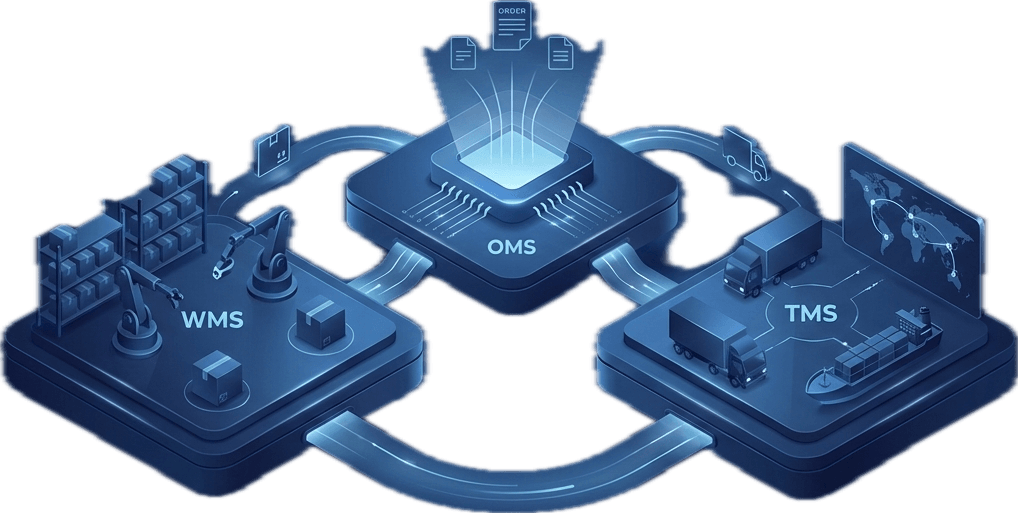
Step 5: Integrate OMS, WMS, and TMS
Integration ensures consistent data across systems.
Step 6: Monitor KPI Dashboards
Track:
- Invoice accuracy rate
- Cost per shipment
- Carrier performance
Step 7: Audit Regularly
Conduct periodic audits to identify:
- Billing trends
- Error patterns
- Cost leakages
Best Practices for Freight Invoice Accuracy
Standardize Billing Formats
Use consistent invoice formats across carriers.
Automate End-to-End Validation
Avoid manual checks wherever possible.
Track Exception Rates
Monitor how often invoices are flagged.
Use Data for Carrier Negotiations
Leverage insights for better contract terms.
Common Mistakes to Avoid
Relying on Manual Validation
Manual processes are slow and error-prone.
Ignoring Small Discrepancies
Small errors accumulate into large losses.
Lack of System Integration
Disconnected systems lead to inaccurate data.
Not Monitoring KPIs
Without KPI tracking, issues go unnoticed.
Expert Tips for Improving Invoice Accuracy
Use Predictive Analytics
Identify patterns in billing errors.
Benchmark Carrier Performance
Compare carriers based on:
- Accuracy
- Cost efficiency
- Reliability
Optimize Carrier Contracts
Use insights to renegotiate terms.
Focus on Data Accuracy
Accurate data is the foundation of accurate billing.
Freight Invoice Accuracy in MENA Logistics
In the MENA region, logistics operations face:
- Multi-carrier complexity
- Cross-border billing challenges
- Diverse pricing structures
Businesses use transportation analytics MENA tools to:
- Improve invoice validation
- Monitor carrier performance
- Optimize logistics costs
Conclusion
Freight invoice accuracy is a critical driver of cost efficiency and operational transparency in modern logistics. By ensuring that carrier invoices align with contracted rates and actual shipment data, businesses can eliminate cost leakages and improve financial control.
With the support of a transportation management system (TMS), companies can automate invoice validation, detect discrepancies in real time, and enhance logistics performance metrics. This leads to better decision-making, improved carrier performance analytics, and stronger control over logistics operations.
In 2026, businesses that prioritize freight invoice accuracy will gain a competitive advantage by reducing costs, improving efficiency, and building more reliable supply chains.
Share On