Managing Inventory for Subscription Boxes in 2026: Forecasting Recurring Demand & Packaging Needs

Table of Contents

Share On


Subscription Box Inventory Management in MENA: Forecasting, Packaging, and Fulfilment Strategies for Scalable Growth
The Subscription Box Boom in MENA: What’s Driving Demand?
Subscription commerce is growing rapidly across the MENA region, driven by convenience-first buying habits and digital-native consumer behaviour. From curated beauty kits in the UAE to gourmet date boxes in Saudi Arabia, the variety of offerings continues to expand — but behind every successful subscription brand is a complex operational engine.
Subscription businesses depend on predictability, but they also require flexibility. A monthly billing cycle may appear simple on the surface, yet fluctuating subscriber counts, seasonal demand spikes, and sourcing variability can quickly make fulfilment difficult.
That’s why inventory management becomes the foundation of a consistent subscriber experience. Without strong inventory planning, even a great product can fail to deliver on expectations.
Why Inventory Management for Subscription Boxes Is Different
Unlike traditional eCommerce — where orders are often irregular and reactive — subscription box businesses run on recurring fulfilment cycles. That sounds easier in theory, but in practice it introduces a different kind of complexity.
What makes subscription inventory unique?
- Predictable, but still variable: You may know when orders will be processed, but not always how many subscribers will renew, pause, or churn.
- High customer expectations: Late, incomplete, or incorrect boxes can directly hurt retention.
- Seasonal spikes: Ramadan boxes, Eid gifting, and festive campaigns can create sudden volume surges.
- Customisation complexity: Personalised or tier-based boxes increase SKU combinations and picking complexity.
- Multi-supplier dependency: Delays from even one vendor can disrupt the entire assembly timeline.
Demand Forecasting: The Backbone of Subscription Inventory
From Guesswork to Strategy
Effective inventory control starts with accurate demand forecasting. Forecasting is not only about estimating quantities — it is about aligning procurement, storage, assembly, and packaging with real demand patterns.
For many MENA businesses, forecasting becomes more difficult due to supply variability, regional lead-time delays, and import dependencies. This is where AI-powered systems can add real value by translating historical trends into actionable forecasts.
Key Factors That Influence Forecasting
- Churn and retention rates: Subscriber attrition directly affects future order volumes.
- Seasonality and events: Ramadan, Eid, national holidays, and back-to-school campaigns can shift demand significantly.
- Marketing campaigns: Influencer campaigns or paid promotions can trigger sudden subscription spikes.
- Shipping lead times: Imported packaging and product components often need to be planned weeks or months in advance.
- Subscription tier mix: Premium, standard, and trial plans create different demand patterns and SKU requirements.
By combining data from sign-ups, renewals, historical shipments, product preferences, and campaign performance, brands can align their procurement and supply chain planning with expected demand more accurately.
Inventory Planning Strategies for Recurring Demand
Build a Safety Stock Buffer
In GCC markets, customs clearance delays, supplier variability, or last-mile disruptions can impact fulfilment timelines unexpectedly. Maintaining a safety stock buffer — especially for critical or high-risk SKUs — helps ensure continuity without excessive overstocking.
Use systems that provide real-time visibility and low-stock alerts (such as SKU-level threshold notifications) to reduce both stockouts and unnecessary surplus.
Distribute Inventory Across Multiple Hubs
To improve delivery speed and reduce shipping costs, subscription brands should evaluate multi-hub inventory distribution.
For example:
- A Riyadh hub can serve Central Saudi Arabia efficiently.
- A Dubai hub can support UAE subscribers with faster fulfilment windows.
A unified inventory platform with multi-warehouse tracking helps sync stock levels across locations and supports smarter routing decisions.
Forecast by Subscription Tier and Box Type
Not all subscribers order the same box. Premium tiers, themed boxes, trial packs, and customised plans all create different inventory needs.
Forecasting each tier separately helps you:
- Reduce mismatch between available stock and assembled boxes
- Control wastage for slow-moving variants
- Improve procurement accuracy for premium or limited-edition items
Packaging Materials: The Overlooked Driver of Subscription Success
Packaging is more than a shipping container — it is part of the customer experience, a recurring cost centre, and a major planning variable in subscription commerce.
Balance Brand Experience with Cost Control
Subscription brands need packaging that supports both aesthetics and operational efficiency.
Key packaging considerations
- Branded packaging vs plain cartons: Branded boxes elevate the unboxing experience but increase storage and sourcing costs.
- Eco-friendly packaging: Demand for recyclable and biodegradable materials is rising, especially among younger consumers in GCC markets.
- Right-size packaging: Oversized boxes increase shipping costs and reduce packing efficiency. Packaging recommendation logic can help match contents to the most suitable box size.
Treat Packaging Materials Like Inventory SKUs
Packaging materials should be managed with the same discipline as product inventory.
Track items such as:
- Outer boxes
- Inserts
- Fillers
- Labels
- Tapes
- Gift sleeves or wraps
Using bin-level tracking, reorder thresholds, and stock visibility for packaging materials helps prevent fulfilment delays caused by missing non-product components.
Reduce Packaging Risk Through Supplier Consolidation
Working with too many packaging vendors can create inconsistency in dimensions, print quality, and delivery timelines.
To reduce risk:
- Consolidate where possible with trusted suppliers
- Track supplier performance (lead time, defect rate, reliability)
- Use PO workflows and supplier directories to monitor incoming materials and delivery status
Procurement and Supply Chain Management for Subscription Brands
For subscription models, procurement is not just about getting a better price — it is about ensuring reliability and protecting fulfilment timelines.
Use Supplier Scorecards for Better Vendor Decisions
Evaluate suppliers using consistent performance metrics such as:
- On-time delivery rate
- Defect or rejection rate
- Lead-time consistency
- Fill rate / shipment completeness
This helps you prioritise dependable vendors and reduce operational disruptions caused by weak supplier performance.
Automate Purchase Orders Based on Demand Signals
Manual PO creation slows down response times and increases the chance of errors.
With a connected inventory and procurement system, you can trigger POs based on:
- Forecasted demand
- Safety stock thresholds
- Real-time stock dips
- Upcoming subscription cycles
This is especially valuable for subscription businesses with recurring fulfilment dates and narrow assembly windows.
Prioritise Local Sourcing When It Improves Agility
International sourcing may reduce unit costs in some cases, but local suppliers can significantly improve responsiveness and reduce lead times.
For example, sourcing packaging materials locally within Saudi Arabia or the UAE may enable faster replenishment and lower disruption risk during seasonal peaks.
Real-Time Visibility and Technology Integration
The strongest subscription operations use technology for more than fulfilment execution — they use it for visibility, planning, and early intervention.
Connect Sales Channels in Real Time
Subscription brands often sell across multiple channels and storefronts. Real-time inventory sync across platforms (such as Shopify, WooCommerce, and regional channels) helps ensure stock data reflects actual sales activity and reduces overselling risk.
Use AI-Powered Forecasting for Dynamic Demand
AI-based forecasting tools can help brands:
- Detect unusual demand spikes
- Identify seasonal patterns earlier
- Flag risk of stockouts before fulfilment cycles begin
- Adapt plans as subscriber behaviour changes
This improves forecasting confidence and makes procurement decisions more proactive.
Automate Returns and Reverse Logistics
Subscription return rates may be lower than standard retail categories, but returns still matter — especially for damaged, incorrect, or perishable items.
A structured returns process helps protect both customer experience and inventory accuracy. For brands with omnichannel operations, reverse-logistics tools can also simplify return handling and reconciliation.
Bottom Line: A Scalable Subscription Inventory Model for MENA
Running a subscription box business in MENA is not just about shipping products every month — it is about delivering consistency, quality, and timeliness at scale.
To make that possible, your backend operations — from demand forecasting to packaging inventory and procurement planning — must be as strong as your marketing and customer acquisition efforts.
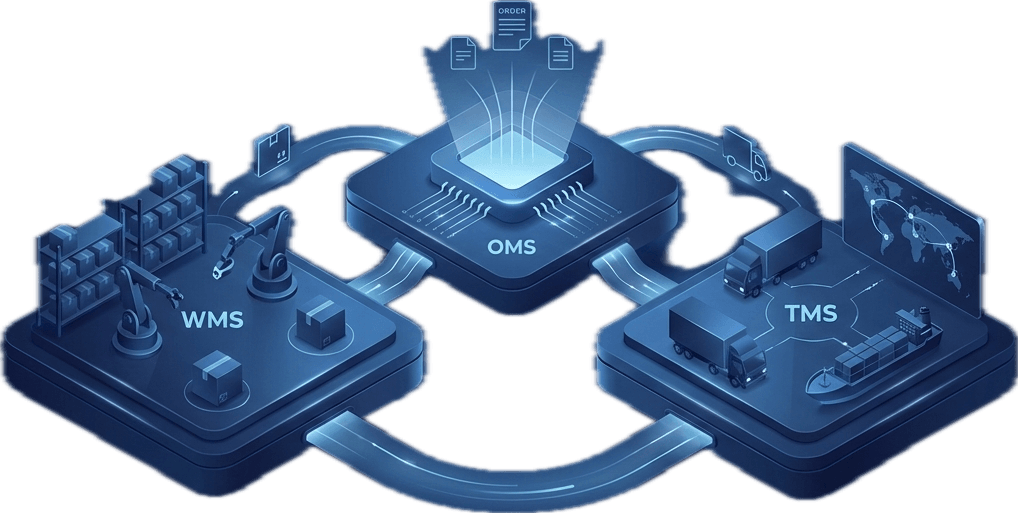
With a connected operations stack (OMS, WMS, and supply chain workflows), subscription brands can:
- Reduce manual bottlenecks
- Forecast demand more accurately
- Prevent stockouts and overstocking
- Streamline packaging procurement
- Scale across multiple regions with real-time inventory visibility
The real advantage comes from being proactive. When forecasting, procurement, and fulfilment work together inside one smart ecosystem, your business does more than keep up with demand — it stays ahead of it.
Share On