Ship-from-Store Strategies in 2026: How Local Fulfilment Boosts Speed and Cuts Costs
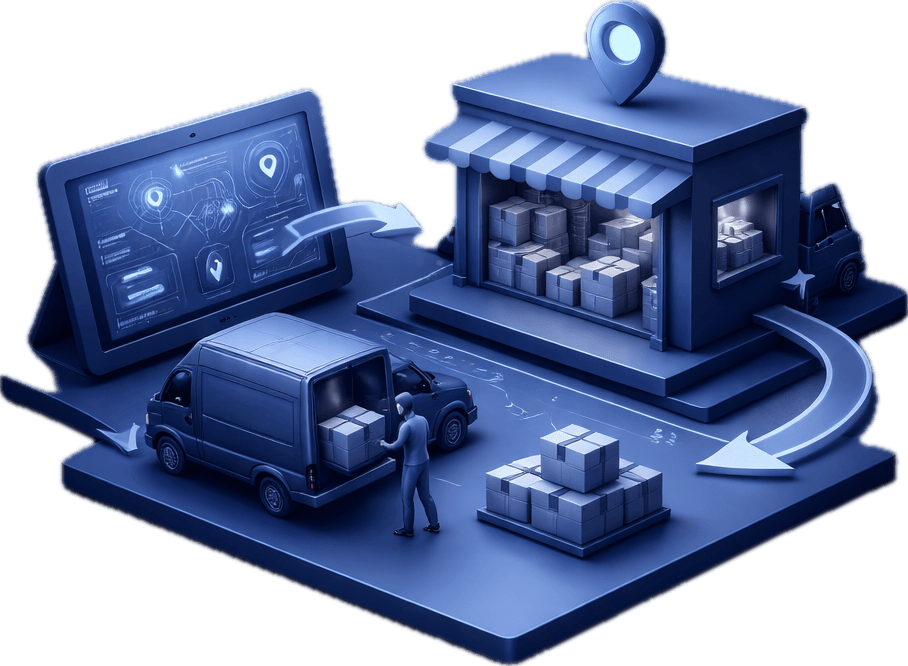
Table of Contents

Share On


Quick Commerce Quick Wins
- Local fulfilment using ship-from-store can reduce delivery time from days to hours.
- Retailers in MENA using omnichannel order management systems (OMS) streamline in-store inventory to fulfil online orders.
- Integrating transportation management systems (TMS) boosts visibility and efficiency in last-mile operations.
- Ship-from-store reduces dependency on central warehouses and 3PLs, saving costs.
- Consumers expect fast delivery — ship-from-store makes that a reality for urban and suburban markets.
Ship-from-Store Fulfilment in MENA: From Retail Stores to Local Hubs
Traditional e-commerce logistics depended heavily on centralised warehouses, regional hubs, and third-party logistics (3PL) partners. However, with growing customer demand for same-day delivery and the rise of quick-commerce (Q-commerce) in the GCC, this model is showing signs of strain.
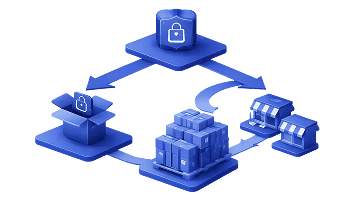
Today, major retail players are shifting towards ship-from-store fulfilment — a model that turns physical stores into local distribution nodes. This strategy leverages proximity to customers and enables faster, lower-cost delivery.
Why Retailers in MENA Are Betting on Ship-from-Store
Real-Time Inventory Visibility
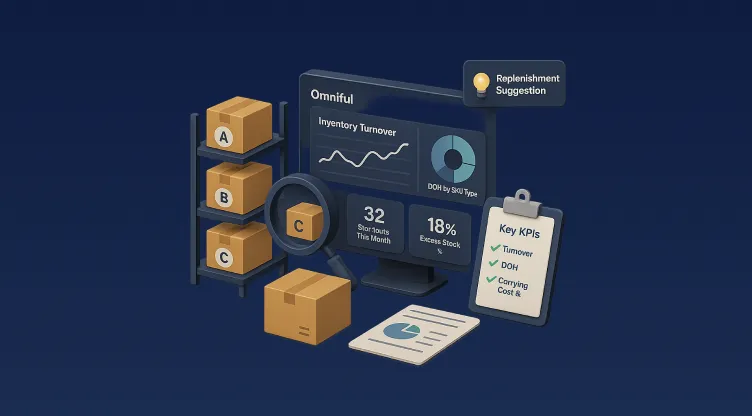
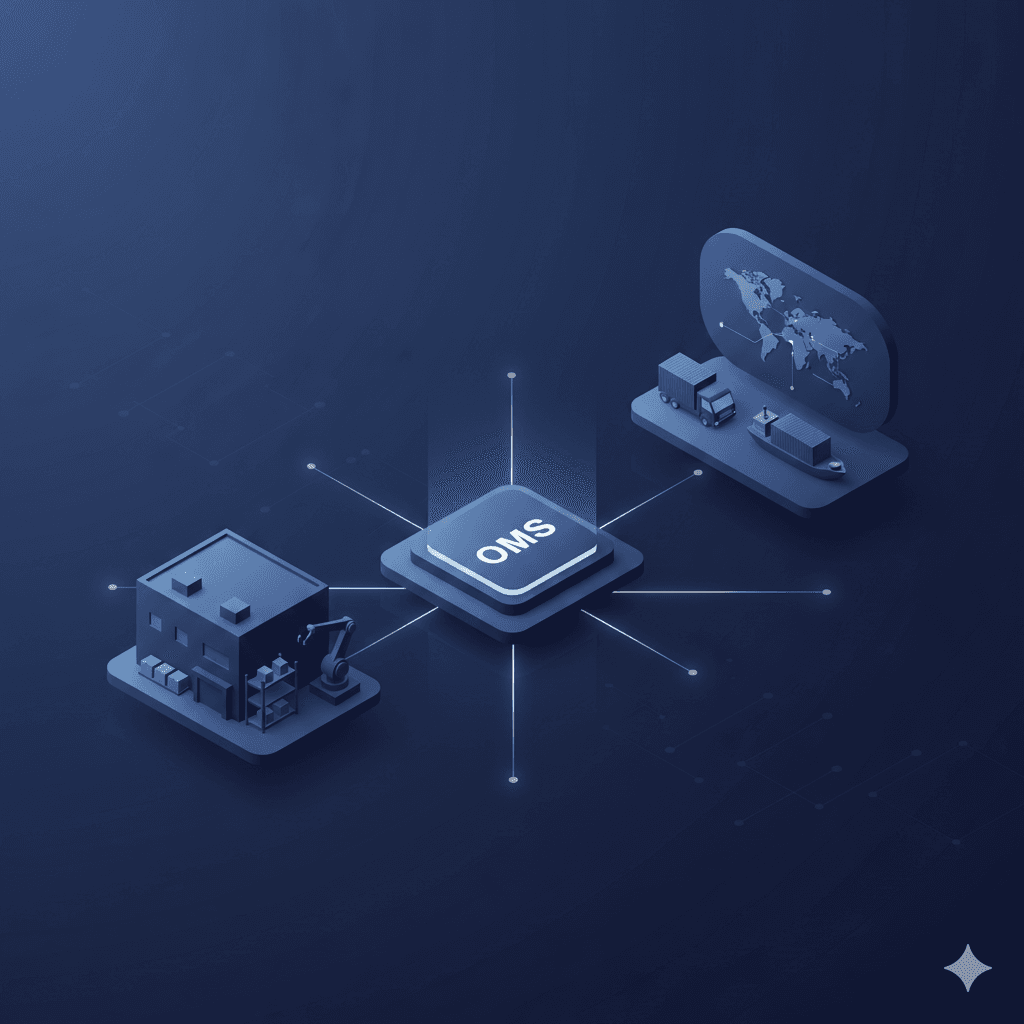
An effective ship-from-store strategy requires complete visibility of inventory across stores. A robust omnichannel OMS, like Omniful OMS, syncs inventory in real time across online platforms and physical outlets.
Retailers can:
- Allocate stock from the nearest store
- Avoid unnecessary shipments from central warehouses
- Serve customers faster
Cost Reduction Through Local Dispatch
Shipping from a nearby store cuts down transportation costs significantly. Last-mile delivery becomes far more efficient when products don’t have to travel across cities or from isolated industrial hubs.
By converting existing store staff and infrastructure into micro-fulfilment centres, businesses can reduce last-mile overhead and improve ROI on retail space.
Enhancing the Model with TMS Integration
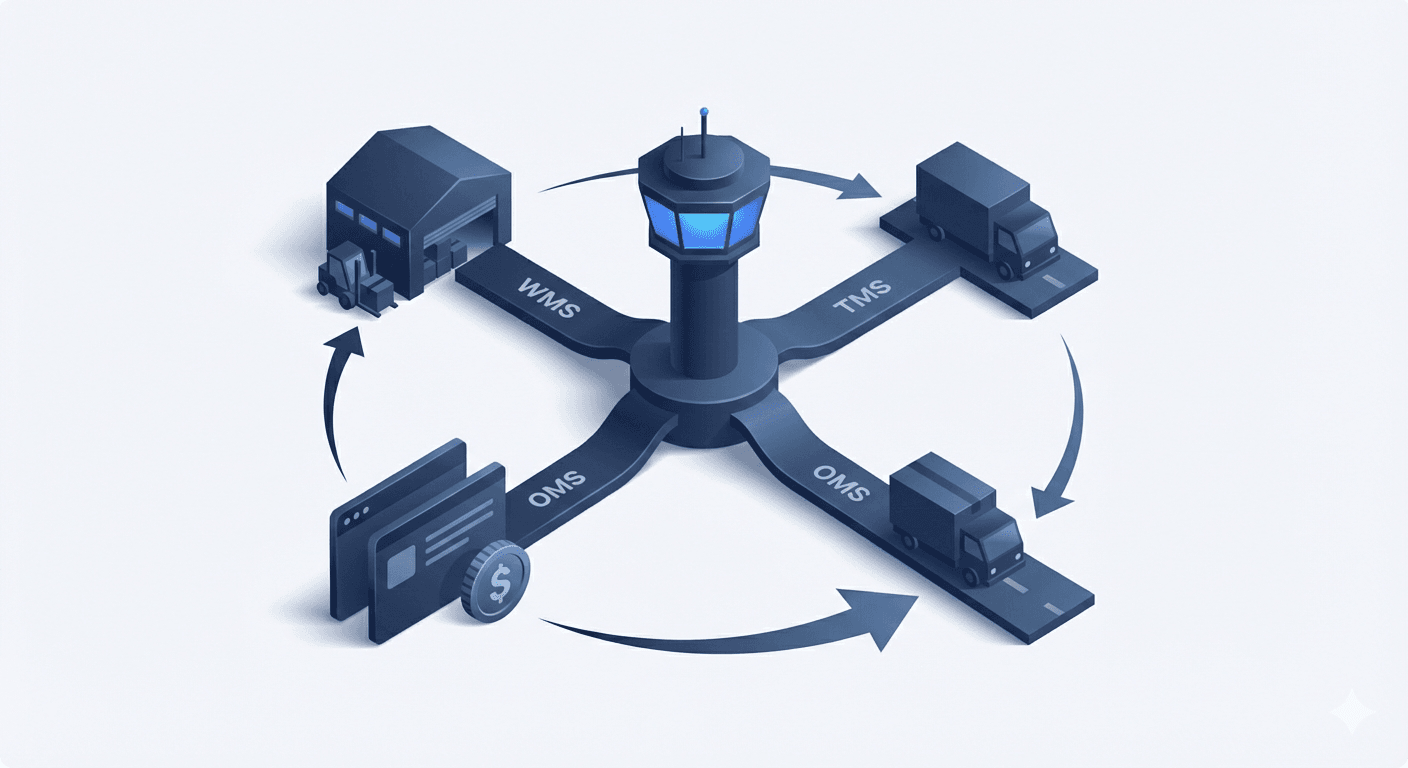
Local fulfilment doesn’t stop with order picking — the real challenge is delivering fast and reliably. This is where a TMS becomes essential.
Omniful’s TMS supports:
- Route optimisation
- Real-time driver tracking
- Automated trip creation and assignment
- Order batching and clustering
- Delivery zones and geofencing
Who Benefits the Most?
Urban Retail Chains
Retailers with dense store networks across cities like Jeddah, Doha, and Amman can match orders with nearby stock and customers.
D2C Brands
Direct-to-consumer brands can improve delivery promises while maintaining fulfilment control.
Grocery & Pharma Retailers
These categories require speed and freshness — ship-from-store enables faster dispatch, especially when combined with WMS capabilities.
The Key Technologies Making Ship-from-Store Work
Omnichannel OMS
Supports partial fulfilment, returns, and dynamic routing.
Real-Time Inventory Management
Accurate store stock through mobile updates and scanning workflows via Inventory Management.
AI-Powered TMS
Route planning, fleet tracking, and zone management for last-mile speed.
Data-Driven Insights
Dashboards for fulfilment speed, accuracy, and continuous optimisation.
FAQs
What is ship-from-store fulfilment?
It’s a logistics strategy where online orders are fulfilled from physical stores rather than central warehouses.
Does Omniful support ship-from-store?
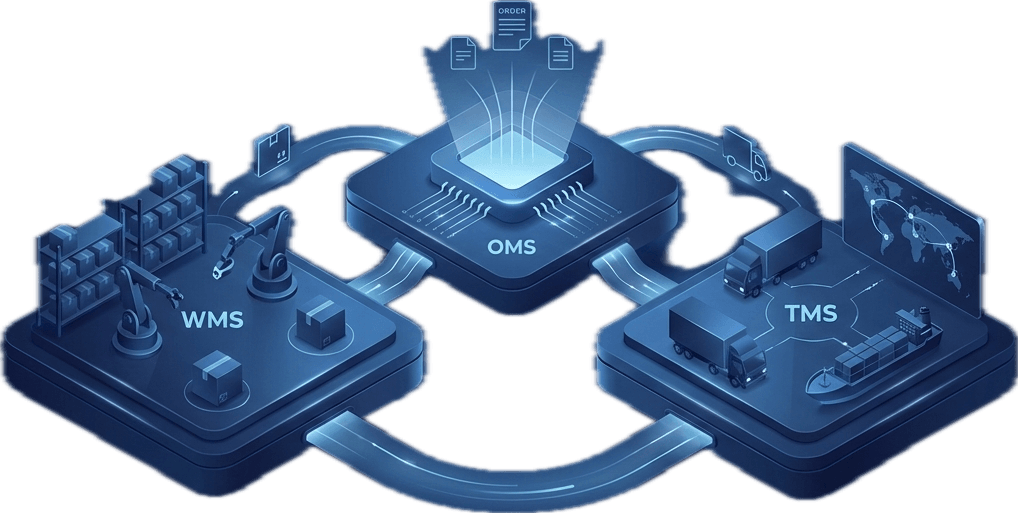
Yes. Omniful’s OMS, WMS, and TMS work together to automate ship-from-store operations.
Is ship-from-store viable for small businesses in MENA?
Yes. Even single-store retailers can start with modular OMS + inventory visibility.
Can I integrate this with my existing POS or e-commerce platform?
Yes. Omniful supports integrations across common commerce stacks (e.g., Shopify, Zid, WooCommerce, Magento).
See Omniful in Action
Ready to unlock faster deliveries and lower costs?
Contact Omniful to schedule a live demo.
Share On