TMS for Multi-Modal Freight in 2026: Coordinating Trucks, Ships, Trains, and Last-Mile Carriers in MENA
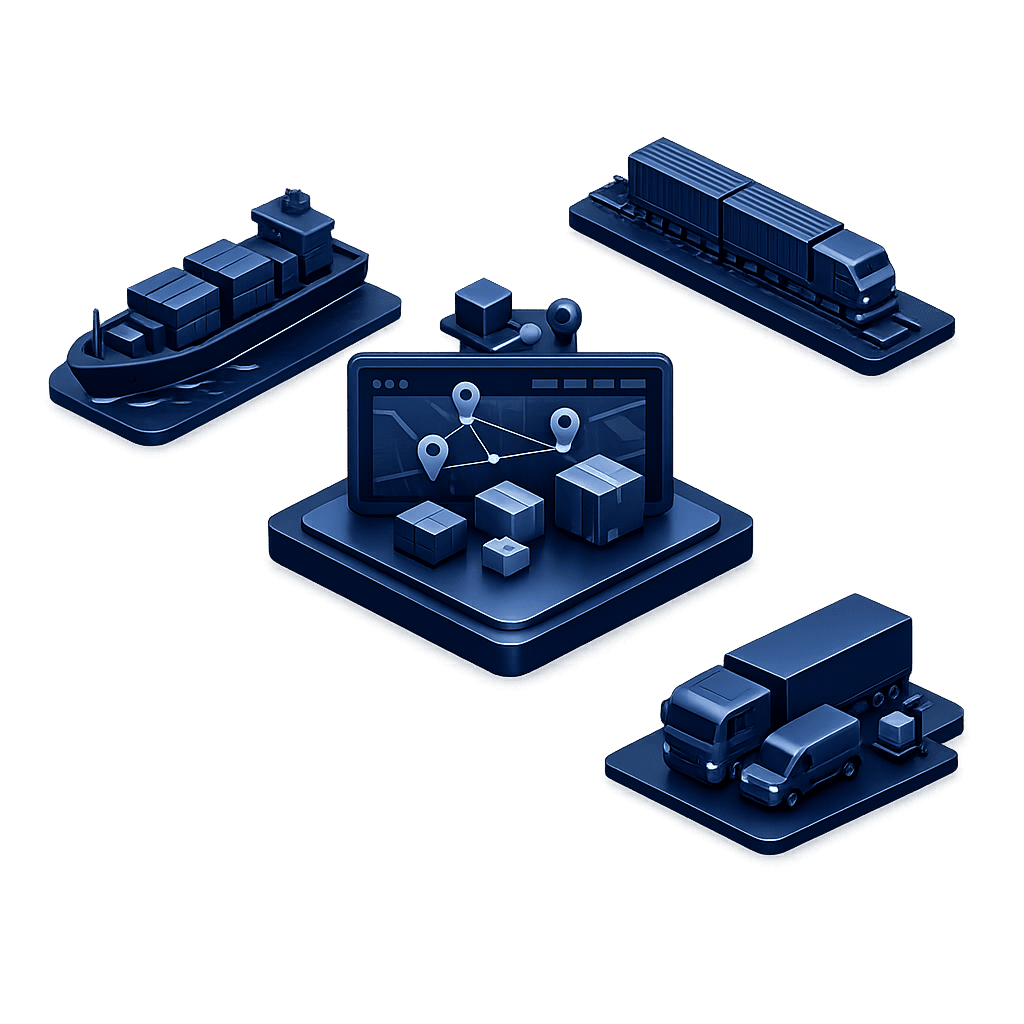
Table of Contents

Share On


At a Glance: Unified Freight Movement in a Fragmented World
- Multi-modal shipping links roads, rails, ports, and final-mile couriers.
- A Transportation Management System (TMS) bridges gaps across modes for real-time freight visibility.
- Ideal for MENA trade routes stretching across cities, borders, and continents.
- Helps avoid delays at ports, terminals, and delivery hubs.
- Ensures data sync between carriers, customs, and clients.
- Offers route automation, live ETAs, and delivery documentation.
- Empowers logistics firms to meet SLAs across land, sea, and air.
- Tools like Omniful TMS provide scalable coordination features.
- Critical for businesses expanding in KSA, UAE, Egypt, and beyond.
The Modern Supply Chain No Longer Moves in Straight Lines
Freight doesn’t flow from warehouse to doorstep in a single motion anymore. It zigzags—boarding a container ship in Jeddah, travelling inland via train, then passing through last-mile vans to reach a customer in downtown Cairo.
This type of journey is known as multi-modal freight, and it’s now common across many sectors in the Middle East and North Africa. The challenge is keeping every link in the chain connected, transparent, and efficient.
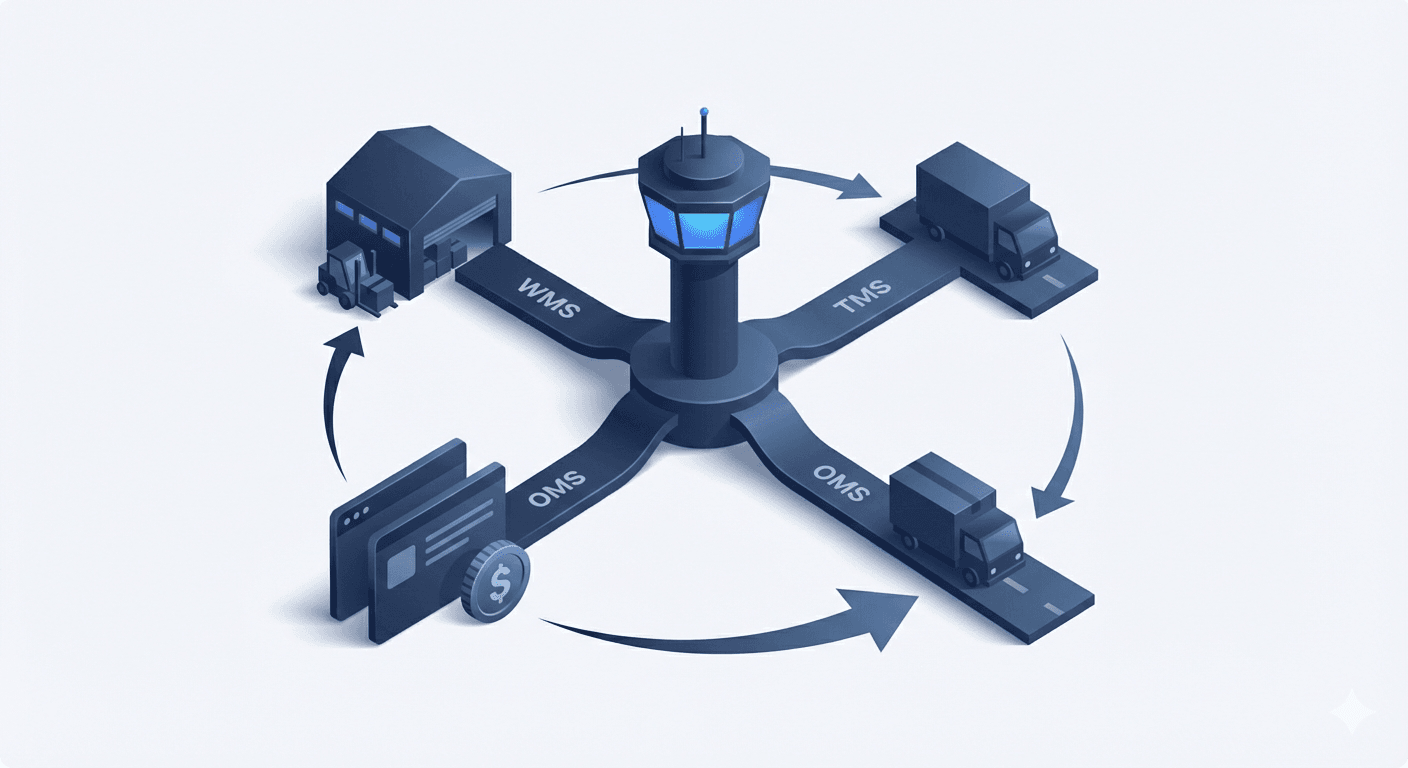
A Transportation Management System (TMS) helps manage this complexity. It becomes a digital command centre that links trucks, ports, rail stations, and couriers through a single platform.
What Is a TMS and Why It’s Essential in MENA
A TMS is more than a shipment scheduler—it’s the operational layer that coordinates freight movement.
At its core, a Transportation Management System helps coordinate goods across transportation methods—land, sea, rail, and last-mile. It reduces the risk of missed handoffs, miscommunication between carriers, and low visibility.
In the MENA Region, This Becomes Especially Crucial
- Trade routes often span international borders with strict customs requirements.
- Transport networks combine highways, rail corridors, and shipping lanes.
- Customers expect shipment updates even for complex cross-border orders.
A platform like Omniful’s TMS brings these workflows together—supporting shipments within cities like Riyadh, cross-border routes into Jordan, and port transfers in the UAE.
The Drawbacks of Running Multi-Modal Without a TMS
Using spreadsheets, WhatsApp messages, and siloed tools can feel manageable early on, but it breaks down quickly at scale. Without a central system:
- Deliveries fall out of sync: A truck arrives before a ship docks, or a courier is scheduled before goods clear customs.
- Customer updates are vague: Tracking links don’t carry smoothly across modes.
- Operational costs rise: Empty return trips, duplicated tasks, and idle vehicles reduce margins.
- Delays go unnoticed: If a rail container is stuck in transit, alerts may not trigger until a client escalates.
For operators managing more than one freight leg per shipment, this becomes unsustainable.
What a Purpose-Built TMS Does Differently
Here’s what changes when a business implements a robust TMS built for multi-modal freight.
1) Connects the Entire Journey
A modern TMS tracks freight at every stage:
- From your warehouse in Jeddah
- Onto the ship heading to Alexandria
- Through the Egyptian rail network
- Into the final-mile delivery van in Giza
No leg is left untracked. Data flows continuously across the journey.
2) Automates Handoffs and Assignments
When goods arrive at a port or hub, the TMS can trigger the next delivery job automatically—reducing manual coordination and handoff delays.
You can also set rule-based automation:
- Assign road transport if rail ETAs slip.
- Redirect to another depot during traffic peaks.
3) Prepares Regulatory Documents in Advance
From customs declarations in Egypt to VAT shipping invoices in the UAE, a TMS can store and generate compliant paperwork aligned with the route and transport mode.
4) Tracks Performance Across Every Mode
Want to know how long ocean freight waits at Jebel Ali before unloading? Or how often final-mile deliveries fail on the first attempt in Riyadh?
A strong TMS provides visibility into these operational KPIs across the full chain.
Real MENA Example: Fashion Retailer Scaling into Egypt
A Saudi brand expanding into Egypt needed to ship bulk orders weekly from Riyadh to Cairo. Each shipment travelled:
- By truck from the warehouse to King Abdulaziz Port
- Via ship to Alexandria
- By train to a Cairo fulfilment hub
- Out to customers via motorcycle couriers
Without a TMS
- Delays at sea caused missed courier appointments.
- Items were sent back due to incorrect delivery windows.
- Staff manually checked port updates and re-planned schedules.
With a TMS
- Port arrivals were synced with courier scheduling.
- Warehouse teams were notified of rail ETA changes.
- Customers received tracking updates across every leg.
Result: reduced delivery delays and improved customer satisfaction (actual results vary by network design, carriers, and operational maturity).
Features to Look For in a Multi-Modal TMS
| Feature | How It Helps Logistics Operators |
|---|---|
| Real-Time Tracking | Monitors freight across trucks, trains, and ships |
| Smart Carrier Allocation | Chooses optimal mode based on volume, cost, and distance |
| Geofencing Alerts | Notifies teams when freight enters/exits critical zones |
| Digital Documentation | Automates customs and compliance paperwork |
| SLA and ETA Monitoring | Flags risks to delivery windows across legs |
| Final-Mile Readiness | Assigns couriers automatically with POD workflows |
| Load Consolidation Tools | Groups freight for cost-effective movement |
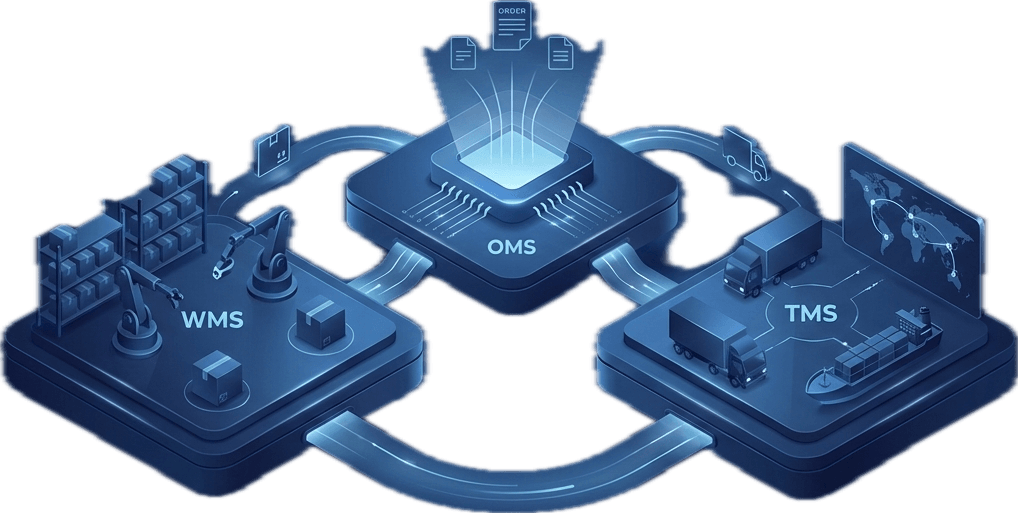
| Integration with WMS and OMS | Keeps inventory and orders synced end-to-end |
Why TMS Is a Competitive Advantage in MENA
In markets like the UAE (Dubai as a transshipment hub) and Saudi Arabia (inland cities relying on sea and rail routes), multi-modal freight is often a necessity.
Yet many companies still operate with disconnected tools.
As regional competition increases and delivery expectations rise, a TMS helps turn logistics from a cost centre into a growth lever:
- Faster shipping decisions without inflating costs
- Less manual coordination across carriers and modes
- Better planning and forecasting across operations
Built for Regional Logistics: Omniful’s TMS Advantage
Omniful’s Transportation Management System is designed with MENA logistics in mind:
- Arabic-first interface
- Integrations with regional shipping partners (availability depends on your network and configuration)
- Support for first-mile to last-mile journeys
- Configurable workflows for port and customs processes
- Live driver tracking
- Batch and lot handling for sensitive freight (where configured)
It also connects with Order Management, Returns, and Inventory systems for a full-stack operations view.
Frequently Asked Questions (FAQs)
Can a TMS handle both international and domestic freight?
Yes. A well-designed TMS can manage local dispatching and last-mile workflows while also tracking cross-border and overseas freight legs.
What if we use different carriers for each transport mode?
That’s common. A TMS is designed to manage multiple providers, centralise handoffs, and track performance from one place.
Does this work with government and customs systems?
Many TMS platforms can generate compliant documents and support integrations with port/clearance systems where available (integration depends on country, authority systems, and vendor connectivity).
Will it improve our on-time deliveries?
It can. With better route planning, automated notifications, and real-time visibility, teams can detect delays earlier and reduce SLA risk.
Is the system suitable for small businesses too?
Yes. Modular platforms allow smaller teams to start with core workflows and expand features as logistics complexity grows.
Share On