Unified Order Management for Omnichannel Business Growth

Table of Contents

Share On


Unified Order Management for Omnichannel Business Growth
Summary
Unified order management is the foundation of modern omnichannel growth, enabling businesses to manage orders, inventory, and fulfillment across multiple sales channels from a single system. As ecommerce, retail, and marketplace operations become more complex, fragmented systems lead to poor visibility, delayed fulfillment, and operational inefficiencies.
A unified order management system connects all channels—online stores, marketplaces, retail outlets, and warehouses—into a centralized platform. This improves order visibility, automates workflows, and enhances customer experience through faster, more accurate deliveries.
In this guide, you’ll learn what unified order management is, why it is critical for omnichannel success in 2026, and how it helps businesses scale efficiently while optimizing fulfillment and inventory operations.
Why Unified Order Management Is Essential for Omnichannel Growth
What Is Unified Order Management
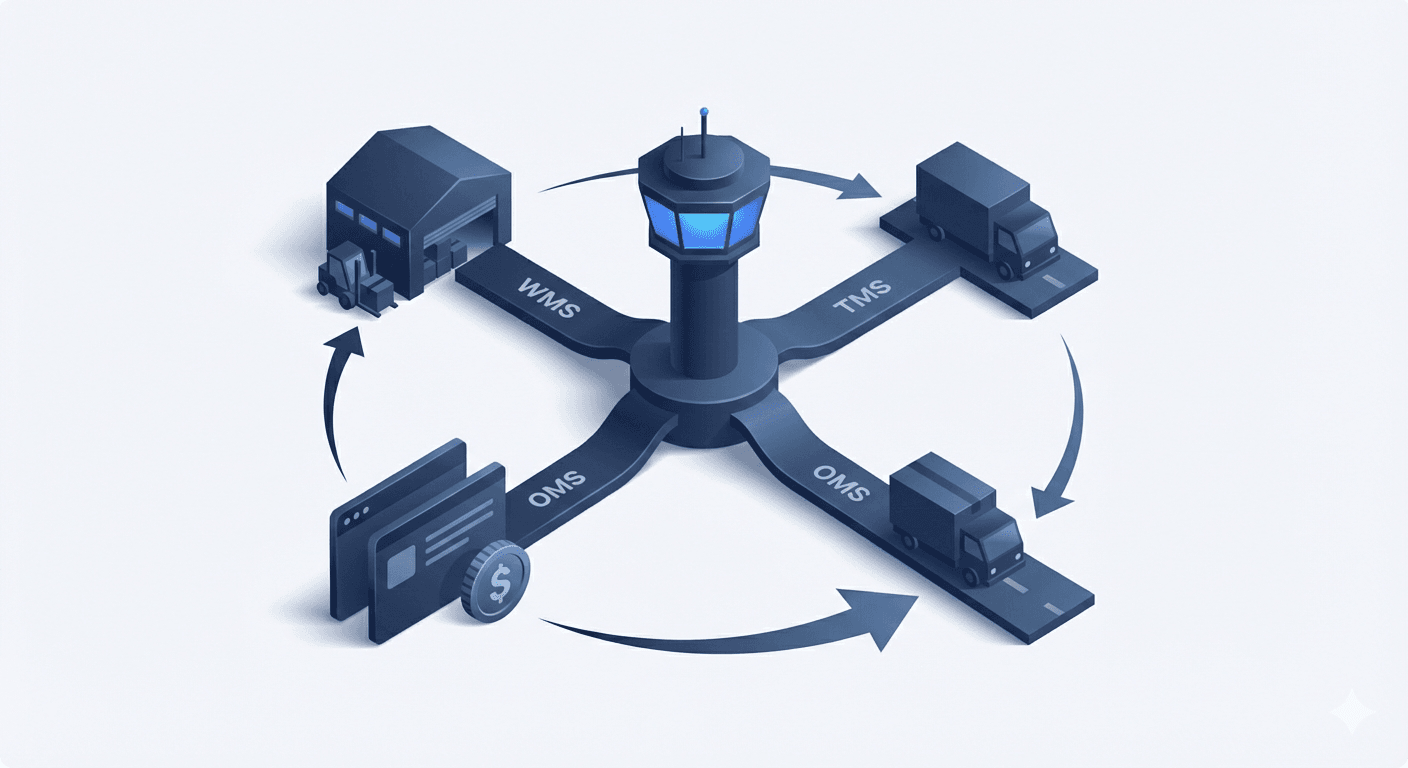
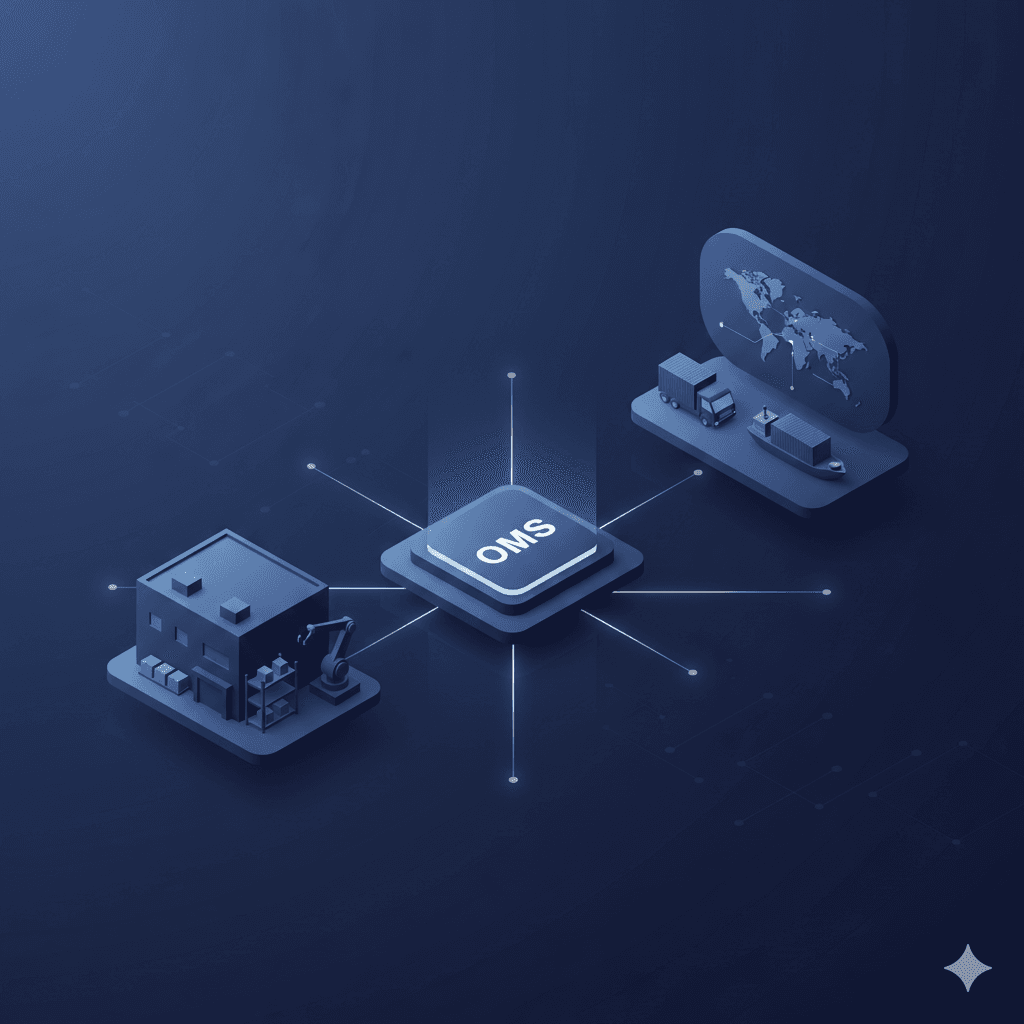
Unified order management is a centralized approach to managing orders, inventory, and fulfillment processes across multiple sales channels within a single system.
Instead of operating in silos, businesses use a unified system to:
- Capture orders from all channels
- Manage inventory across locations
- Route orders intelligently
- Coordinate fulfillment and delivery
Unified Order Management vs Traditional OMS
| Aspect | Traditional OMS | Unified Order Management |
|---|---|---|
| Channel Handling | Separate systems | Single unified platform |
| Inventory Visibility | Limited | Real-time across all locations |
| Fulfillment | Manual or fragmented | Automated and optimized |
| Scalability | Limited | High scalability |
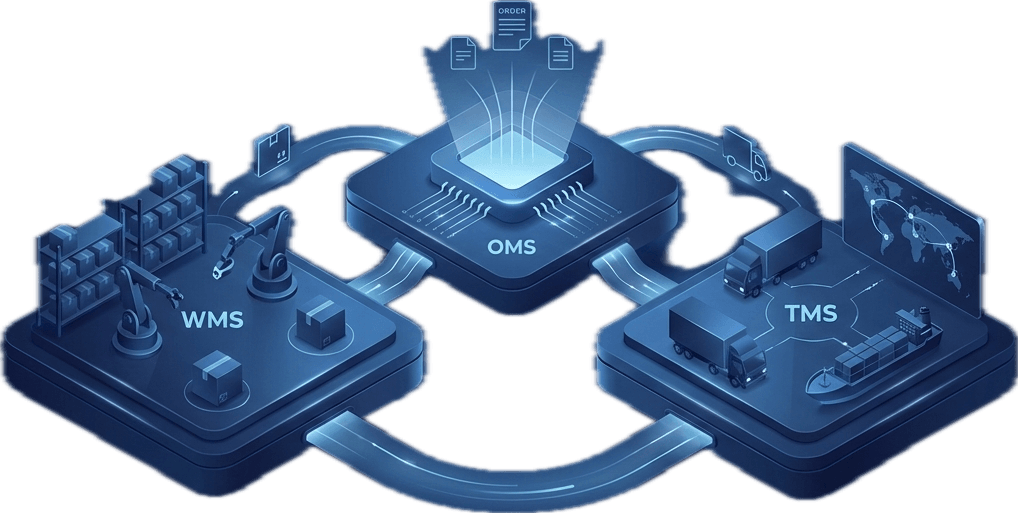
Example Unified Order Management Workflow
Order Created (Marketplace / Website / POS)
→ Unified OMS
→ Inventory Allocation
→ Order Routing
→ Fulfillment
→ Delivery
→ Customer Notification
Why Unified Order Management Matters for Omnichannel Growth
As businesses expand across channels, operations become more complex. Managing orders, stock, and fulfillment separately often leads to delays, errors, and inconsistent customer experiences.
Challenges Without a Unified Order Management System
- Disconnected sales channels
- Inconsistent inventory data
- Delayed order processing
- Poor customer experience
- Higher operational costs
Benefits of Unified Order Management
| Benefit | Impact |
|---|---|
| Centralized Order Visibility | Real-time tracking across channels |
| Improved Inventory Accuracy | Reduced stock discrepancies |
| Faster Fulfillment | Automated workflows |
| Better Customer Experience | Consistent delivery timelines |
| Scalability | Supports omnichannel expansion |
How Unified Order Management Supports Omnichannel Growth
Unified systems help businesses:
- Sell across multiple platforms seamlessly
- Fulfill orders from multiple locations
- Deliver a consistent customer experience
This makes unified order management essential for sustainable omnichannel growth.
Key Features of Unified Order Management Systems
Centralized Order Visibility
A unified OMS gives teams a single view of all orders across all sales channels.
Benefits of Centralized Order Visibility
- Real-time tracking
- Better decision-making
- Faster issue resolution
Real-Time Inventory Visibility
Inventory is synchronized across:
- Warehouses
- Retail stores
- Fulfillment centers
This improves inventory visibility and helps prevent overselling.
Intelligent Order Routing
Orders can be routed based on:
- Inventory availability
- Proximity to the customer
- Delivery timelines
This improves fulfillment efficiency and helps reduce shipping delays.
Multi-Channel Integration
Unified order management systems connect with:
- Ecommerce platforms
- Online marketplaces
- POS systems
This enables smooth multi-channel order management from one centralized platform.
Order Orchestration
Order orchestration helps automate the full fulfillment lifecycle.
It supports:
- Faster processing
- Fewer delays
- Better use of operational resources
Flexible Fulfillment Options
A unified OMS can support multiple fulfillment models, such as:
- Ship-from-warehouse
- Ship-from-store
- Click-and-collect
- Split shipments
Returns and Reverse Logistics Management
Returns are a critical part of the customer experience. Unified systems support:
- End-to-end return tracking
- Automated returns workflows
- Inventory updates after returns
Analytics and Reporting
Unified OMS platforms provide insights into:
- Order processing time
- Fulfillment performance
- Customer behavior
These insights help improve retail fulfillment efficiency and operational planning.
How Unified Order Management Enables Omnichannel Success
Seamless Customer Experience
Customers expect:
- Consistent pricing
- Accurate inventory visibility
- Fast and reliable delivery
Unified systems help maintain consistency across channels and improve the overall buying experience.
Faster Order Fulfillment
Automation reduces delays in:
- Order processing
- Inventory allocation
- Shipment creation
Improved Operational Efficiency
Unified order management reduces:
- Manual processes
- Duplicate data entry
- Fragmented workflows
Better Decision-Making
Real-time operational data supports:
- Demand forecasting
- Inventory optimization
- Delivery planning
How to Implement Unified Order Management
Step 1: Assess Current Systems
Start by identifying your existing systems, including:
- Current OMS
- Inventory systems
- Sales channels
Step 2: Choose a Unified OMS Platform
Look for a platform that offers:
- Scalability
- Strong integration capabilities
- Automation features
Step 3: Integrate All Sales Channels
Connect all major order sources, including:
- Ecommerce platforms
- Online marketplaces
- Retail systems
Step 4: Synchronize Inventory Across Locations
Ensure inventory updates happen in real time across warehouses, stores, and fulfillment centers.
Step 5: Configure Order Routing Rules
Define routing logic based on:
- Warehouse selection
- Fulfillment priorities
- Inventory availability
Step 6: Enable Analytics and Monitoring
Track key metrics such as:
- Order performance
- Fulfillment efficiency
- Customer satisfaction
Best Practices for Unified Order Management
Centralize Data in One System
Ensure all order, inventory, and fulfillment data flows into a single source of truth.
Automate Workflows Wherever Possible
Reduce manual effort by automating routine operational processes.
Prioritize Customer Experience
Focus on delivery speed, order accuracy, and clear visibility across the order journey.
Use Real-Time Insights to Improve Performance
Use analytics and reporting to continuously refine operations.
Common Mistakes to Avoid
Operating in Silos
Disconnected systems create inefficiencies and reduce visibility.
Ignoring Inventory Synchronization
Poor inventory synchronization can lead to overselling and customer dissatisfaction.
Overcomplicating Workflows
Keep processes simple, scalable, and easy to manage.
Underusing Analytics
Without analytics, it becomes harder to identify inefficiencies and optimize fulfillment performance.
Expert Tips for Scaling Omnichannel Operations
Start with Core Integrations
Integrate your most important systems first, then expand over time.
Optimize Your Fulfillment Network
Use multiple fulfillment locations to reduce delivery time and shipping costs.
Use Data-Driven Order Routing
Route orders intelligently using real-time inventory and location data.
Continuously Improve Operational Processes
Review performance regularly and refine workflows as your business scales.
Unified Order Management in MENA
Omnichannel commerce is expanding rapidly across the MENA region.
Key Drivers of Omnichannel Growth in MENA
- Growing ecommerce adoption
- Expansion across multiple marketplaces
- Rising customer expectations for fast delivery
How Unified OMS Helps Businesses in MENA
Businesses in MENA use unified order management platforms to:
- Improve order visibility
- Optimize fulfillment
- Scale operations more efficiently
Conclusion
Unified order management is essential for businesses that want to achieve sustainable omnichannel growth. By centralizing order processing, inventory visibility, and fulfillment operations, a unified system reduces inefficiencies and improves the customer experience.
With capabilities such as real-time inventory tracking, intelligent order routing, and workflow automation, businesses can scale more effectively across multiple channels. Unified OMS platforms improve order visibility, strengthen fulfillment optimization, and give teams better control over logistics operations.
In a competitive retail environment, unified order management is no longer optional. It is a core requirement for long-term growth and operational success.
Share On