How does a Transportation Management System Work in 2026
Table of Contents

Share On


Transportation Management System: How It Works
A modern transportation management system is no longer just a back-office tool for dispatch teams. In 2026, it is part of the operational core for businesses that need tighter delivery control, better cost discipline, stronger carrier oversight, and more reliable shipment visibility.
That matters because transportation has become more complex for almost every type of business moving goods at scale. Deliveries now involve more carriers, more service expectations, more customer visibility requirements, and more pressure to improve margins without slowing operations. Managing that complexity manually, or through disconnected carrier portals and spreadsheets, quickly becomes inefficient.
This is where a transportation management system becomes valuable. It helps businesses plan, execute, track, and optimize transportation workflows in a more structured way. It gives teams a central system for making better delivery decisions, improving performance, and reducing operational blind spots.
This guide explains what a TMS is, how it works in practice, what benefits it delivers, and why it has become essential for modern logistics operations.
Why transportation is harder to manage than it looks
Transportation often appears straightforward from a distance. An order is ready, a carrier is assigned, a shipment moves, and the delivery is completed.
In reality, that flow depends on many moving parts. Teams need to choose carriers, assign routes, balance service levels against cost, track progress in transit, respond to delays, handle failed attempts, and evaluate whether the delivery network is performing the way it should. As shipment volume grows, each one of those decisions becomes more difficult to manage consistently.
Without the right system, common problems emerge quickly. Carrier assignment becomes inconsistent. Route efficiency declines. Teams react to delays too late. Shipment visibility stays fragmented. Reporting becomes historical instead of operational. Leadership may know that transportation costs are rising or service levels are slipping, but not know exactly why.
That is why TMS logistics software has become a strategic investment rather than a niche logistics tool. It helps convert transportation from a loosely coordinated function into a more measurable and controllable part of the business.
What a transportation management system is
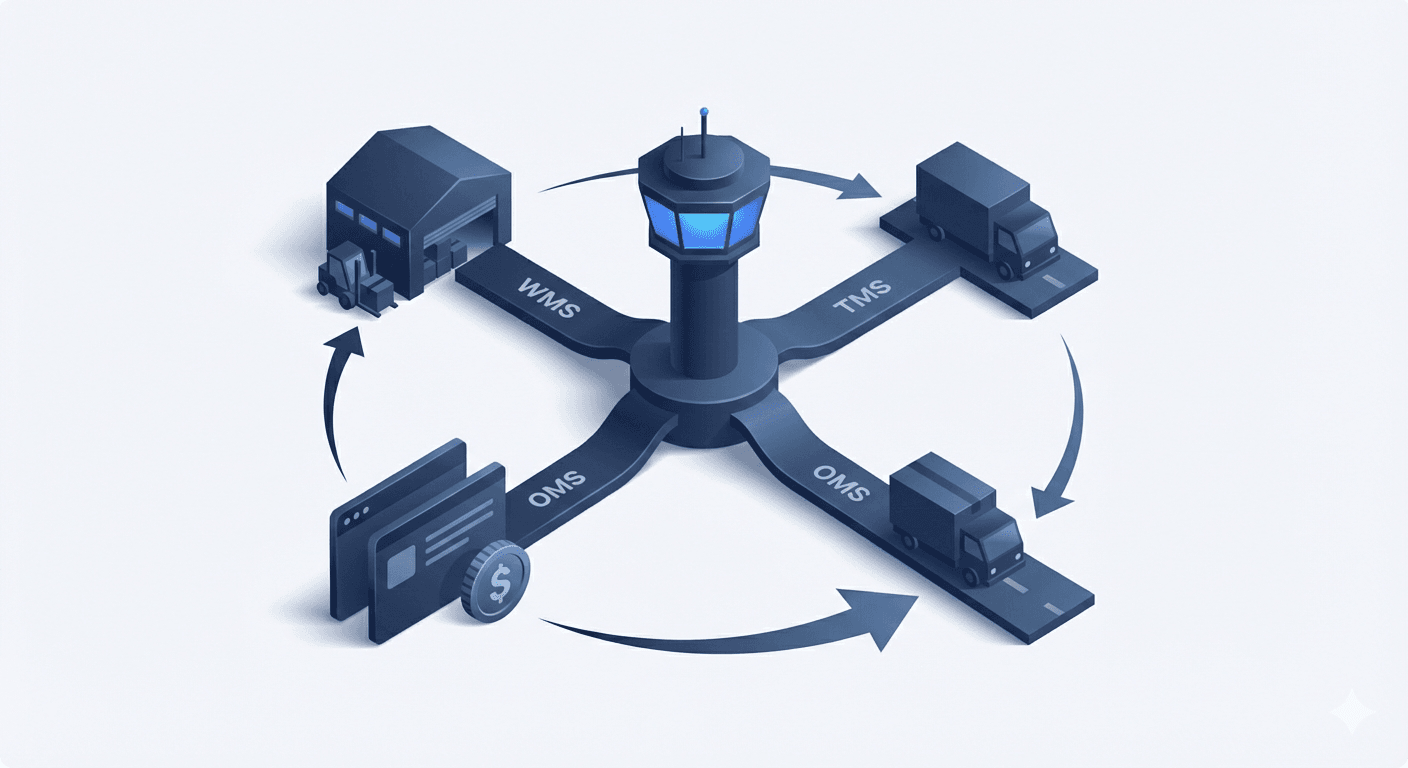
A transportation management system is software that helps businesses plan, execute, and optimize the movement of goods across the supply chain. It acts as a control layer for transport operations, supporting everything from shipment planning and carrier selection to real-time tracking and performance analysis.
At its core, a TMS helps businesses answer practical operational questions. Which carrier should handle this shipment? Which route makes the most sense? Is this delivery on schedule? Where are delays happening? Which carriers are meeting expectations? How can transport costs be reduced without hurting service levels?
A strong TMS is designed to bring more structure and intelligence to those decisions. Instead of managing transportation through manual coordination and siloed data, teams can work through one system that connects planning, execution, and analytics.
That is what makes a transportation management system different from a simple tracking tool. It is not only about seeing what happened to a shipment. It is about improving how transportation decisions are made before, during, and after execution.
How a transportation management system works
The easiest way to understand how a TMS works is to follow the shipment lifecycle. A good system supports transportation operations across several connected stages, starting with planning and continuing through delivery and performance review.
Planning shipments
The process usually begins when orders are ready to move. At this stage, the TMS helps determine how shipments should be organized and prepared for execution.
This can include grouping orders, assigning delivery priorities, evaluating shipment characteristics, and preparing dispatch-ready transport plans. The goal is to make transportation execution more deliberate rather than reactive.
For businesses with high order volume or multiple delivery zones, this planning layer matters because transport inefficiency often starts before a vehicle even leaves the facility. Better shipment planning creates better conditions for delivery control later.
Selecting carriers
Carrier selection is one of the most important functions in a transportation management system. The right carrier is not always the cheapest or the fastest in isolation. The right choice depends on service commitments, region, shipment type, reliability, cost, and capacity.
A TMS can help businesses apply structured logic to this process. Instead of selecting carriers manually or based on habit, teams can compare carrier options using predefined rules and historical performance data. This improves consistency and supports more informed supply chain carrier evaluation over time.
This is especially useful for businesses managing multiple carriers across regions or service levels. It also strengthens accountability because carrier decisions can be tied more clearly to data instead of assumptions.
Optimizing routes and loads
A TMS also supports route and trip optimization. This is one of the clearest ways the platform improves operational efficiency.
The system can help determine better route sequences, delivery grouping, stop planning, and vehicle utilization. That improves execution by reducing unnecessary travel, improving dispatch logic, and creating more efficient trips.
This is where freight cost optimization becomes practical. Transport costs are influenced by route quality, load planning, idle time, failed delivery attempts, and poor assignment decisions. A TMS helps reduce avoidable inefficiencies before they show up in cost reports.
For last-mile, middle-mile, or regional distribution operations, route and load optimization often has a direct effect on both cost control and on-time performance.
Executing and tracking deliveries
Once shipments are dispatched, the TMS supports execution visibility. This includes tracking shipment progress, capturing status updates, monitoring milestone completion, and flagging delays or exceptions.
This real-time or near-real-time view is one of the biggest reasons businesses invest in transport platforms. Without it, operations teams rely too heavily on fragmented carrier updates, manual follow-ups, or delayed information.
A good transportation management system helps teams see where shipments are, whether they are on track, and where intervention is needed. It also helps customer support and operations teams provide more accurate delivery updates internally and externally.
This visibility is particularly important in environments where service quality is tied closely to customer experience. Better execution visibility means fewer surprises, faster response to delays, and more predictable delivery operations.
Measuring performance and improving operations
A TMS is not only an execution tool. It is also a performance management tool.
After shipments move through the network, the platform can help businesses analyze trends across cost, service, and carrier quality. This is where TMS reporting and analytics becomes highly valuable.
Teams can evaluate key outcomes such as on-time delivery, cost per shipment, carrier performance, route efficiency, delay causes, and failed attempt rates. These insights support stronger decision-making and help leaders improve transportation strategy over time.
This is especially relevant for businesses focused on logistics KPIs 2026, where transportation is expected to be not only operationally efficient but also measurable, predictable, and continuously improving.
The business benefits of a transportation management system
The value of a TMS comes from more than operational convenience. It improves core business outcomes in ways that affect customer experience, cost structure, team efficiency, and scale readiness.
A transportation management system improves delivery efficiency by helping businesses plan shipments more intelligently, assign carriers more effectively, and respond faster when issues arise. It improves cost control by reducing avoidable transport inefficiencies and supporting better carrier allocation. It strengthens service quality by making shipment progress easier to monitor and exceptions easier to manage.
It also improves visibility for leadership teams. Rather than relying on fragmented reports and post-event analysis, decision-makers gain access to more useful logistics performance metrics that show what is happening across the network.
This includes clearer insight into on-time delivery KPI trends, more dependable carrier performance analytics, and stronger understanding of where transport operations are losing time or money.
For businesses operating across diverse geographies, including those focused on transportation analytics MENA, this visibility becomes even more important. Different markets, carriers, and service conditions create more complexity, which makes structured transport oversight more valuable.
What capabilities matter most in modern TMS logistics software
Not all TMS platforms are equally effective. Some are designed mainly for basic transport planning. Others support deeper execution control, carrier management, analytics, and workflow automation.
In 2026, modern TMS logistics software should help businesses manage transport as a connected operational system rather than a set of isolated tasks.
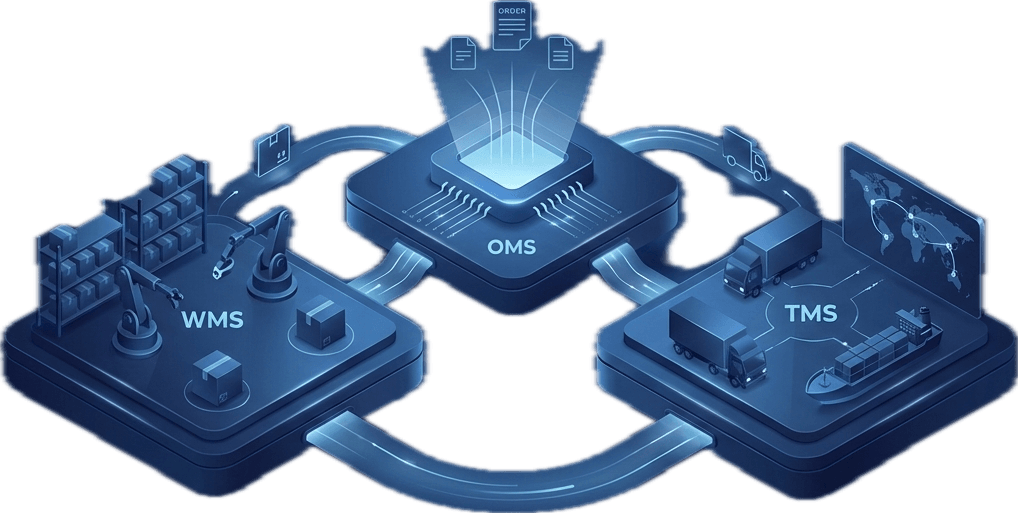
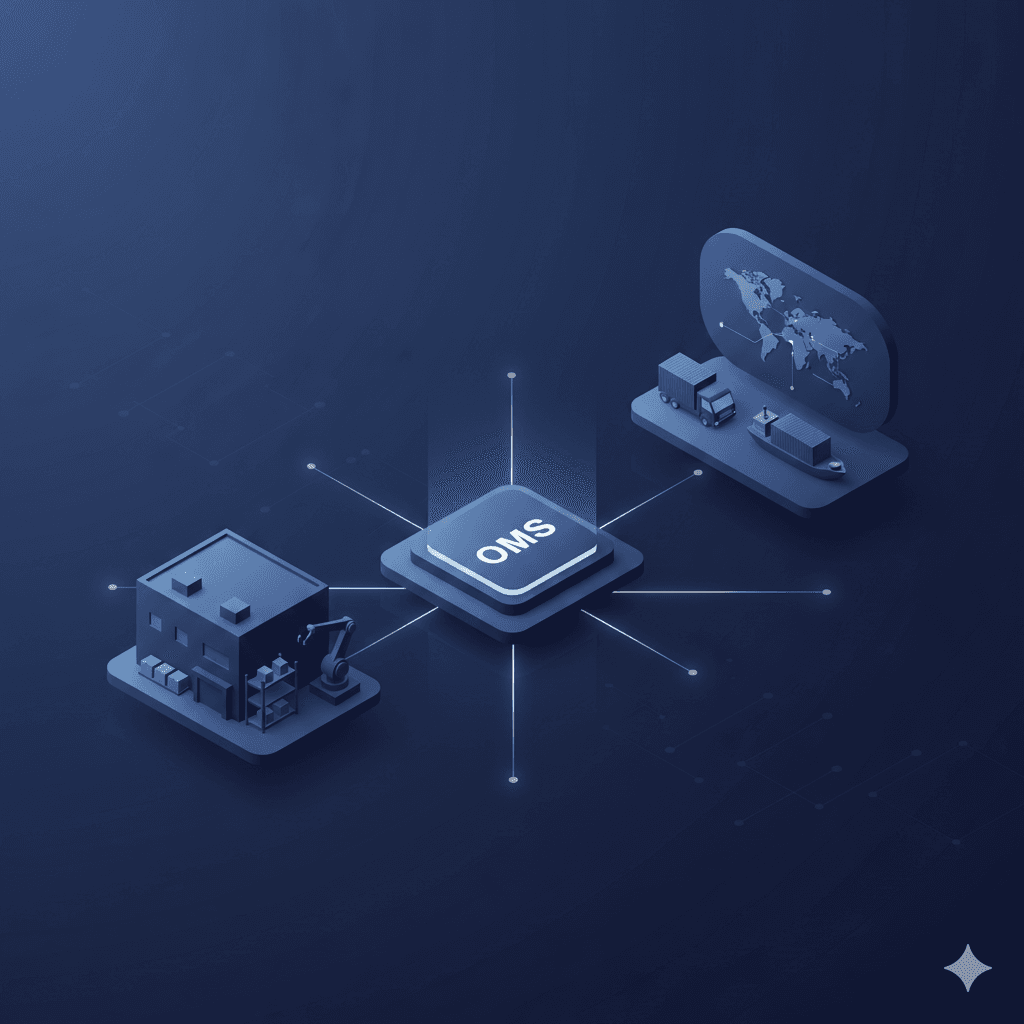
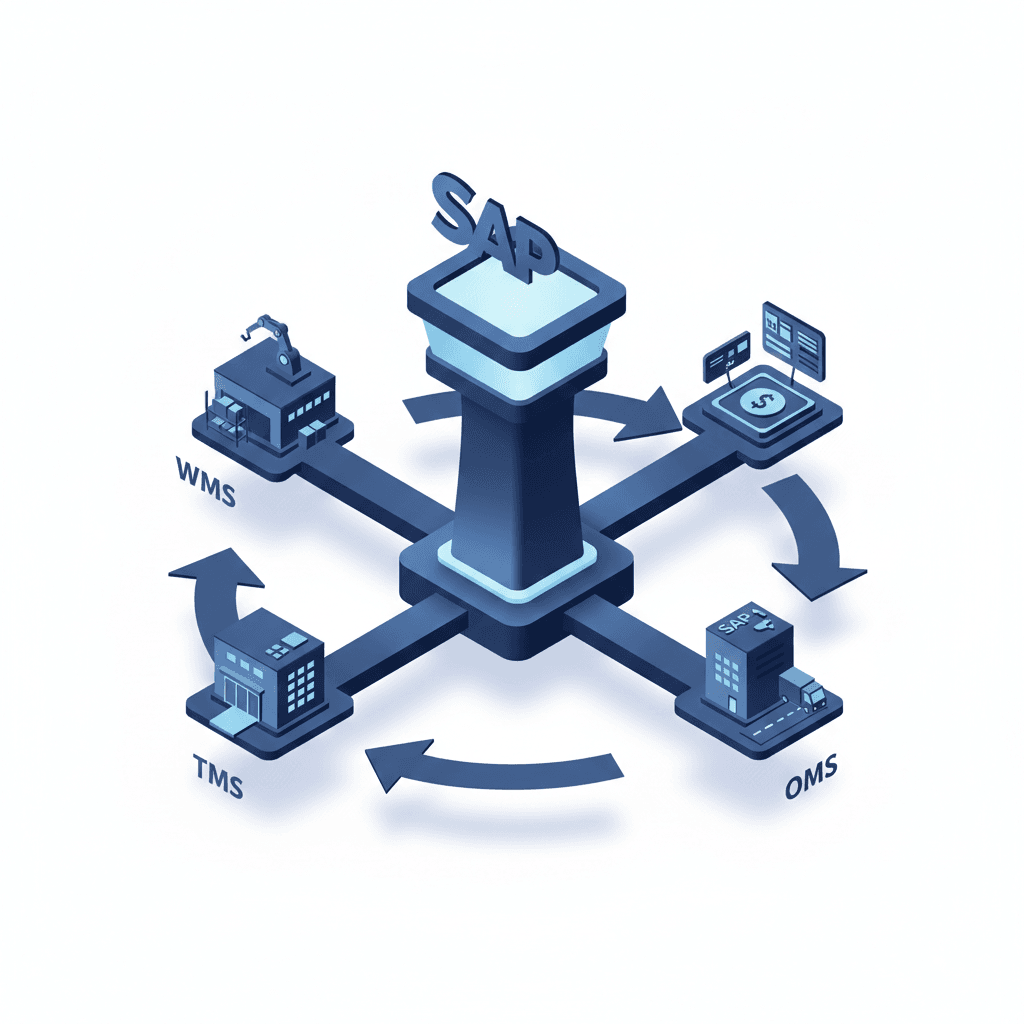
That means the platform should support shipment planning, route and trip optimization, carrier assignment logic, live tracking, exception handling, proof of delivery workflows, and useful reporting for performance management. It should also integrate cleanly with adjacent systems such as order management, warehouse platforms, carrier systems, and customer communication workflows.
Just as important, the software should fit the business model it is meant to support. A retailer managing high-volume last-mile deliveries may need different transport capabilities from a manufacturer running regional distribution or a 3PL managing multiple customer accounts. The best TMS is not the one with the longest feature list. It is the one that aligns with the transport complexity, visibility needs, and service goals of the business.
Who should use a transportation management system
A transportation management system is useful for any business that needs to move goods with more visibility, control, and efficiency.
Retailers use TMS platforms to improve delivery performance and customer communication. Ecommerce businesses use them to manage carrier choice, shipment tracking, and fulfillment speed. Manufacturers use them to coordinate movement between facilities, distributors, and end destinations. 3PL providers use them to improve execution quality and carrier oversight across multiple clients. Logistics companies use them to manage transport performance at scale.
In each case, the common need is the same. Transportation is important enough, complex enough, and expensive enough that it should be managed through a dedicated operational system rather than through manual workarounds.
What to consider when choosing a TMS
Choosing a TMS should start with a clear view of how your transport operation actually works.
Businesses should evaluate whether the platform supports their shipment types, delivery model, carrier network, route complexity, and reporting needs. It should be easy for operations teams to use daily, while also giving managers and leadership teams the insight they need to improve performance over time.
Integration quality matters as much as core features. A TMS must connect effectively with the surrounding systems that feed and depend on transport data. Scalability matters too, because transport operations rarely become simpler as the business grows.
The best evaluation process focuses on workflow fit, performance visibility, carrier management depth, analytics quality, and long-term operational value. The right platform should improve current transport execution while also supporting future growth.
Final thoughts on transportation management system value in 2026
A transportation management system helps businesses do more than move shipments from one place to another. It helps them plan more intelligently, execute with more visibility, measure performance more clearly, and improve transportation operations over time.
That is why the role of the transportation management system has expanded so much in 2026. It is no longer just a logistics tool for dispatch planning. It is a platform for delivery efficiency, cost control, carrier oversight, and data-driven transport management.
For businesses focused on service quality, operational scale, and tighter control over transport performance, the question is no longer whether transportation deserves better systems. The real question is whether current tools are giving the business enough visibility, enough structure, and enough insight to improve consistently.
The right TMS creates that foundation. It supports better execution today while giving the business a clearer path to stronger transport performance tomorrow.
FAQs
What is a transportation management system?
A transportation management system is software that helps businesses plan, execute, and optimize the movement of goods across the supply chain. It supports shipment planning, carrier selection, tracking, and performance analysis.
How does a TMS work?
A TMS works by helping teams organize shipments, choose carriers, optimize routes, track deliveries, and measure results through reporting and analytics. It connects transport planning with execution and performance management.
What are the benefits of using a TMS?
The main benefits include better delivery efficiency, stronger shipment visibility, lower transportation costs, improved carrier oversight, better route planning, and clearer logistics performance reporting.
How does a TMS improve logistics KPIs?
A TMS improves KPIs by making transportation more structured and data-driven. It can help improve on-time delivery, reduce cost per shipment, strengthen carrier performance, and support better operational consistency.
Who should use a transportation management system?
Retailers, ecommerce brands, manufacturers, 3PL providers, and logistics companies can all benefit from a transportation management system when they need more control over shipment planning, execution, and carrier performance.
How do you choose a transportation management system?
Choose a TMS based on your transport workflows, carrier complexity, visibility needs, integration requirements, analytics expectations, and growth plans. The best fit is the platform that aligns with how your business actually runs transportation.
Share On