WMS & Automation in 2026: Robotics, IoT Sensors, and How WMS Orchestrates Automated Warehouse Tasks
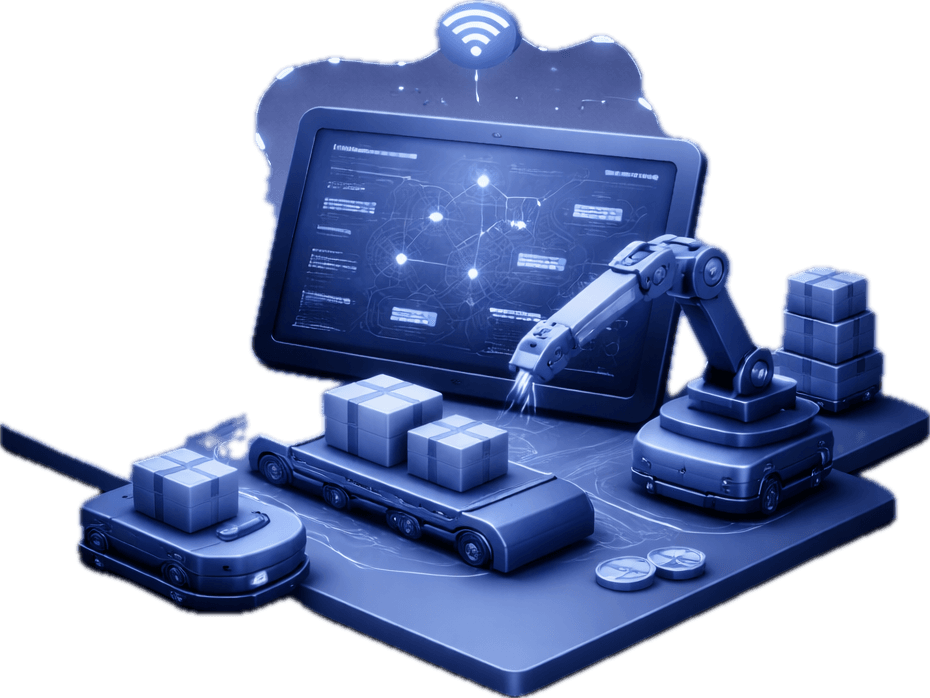
Table of Contents

Share On


Introduction to Warehouse Management System (WMS) and Automation
The modern supply chain is transforming fast, driven by warehouse robotics, IoT sensors, and AI-powered automation. Businesses across e-commerce, retail, and logistics are adopting Warehouse Management Systems (WMS) to streamline operations, optimise inventory, and improve order fulfilment efficiency.
A WMS is the backbone of an automated warehouse. It can integrate with robotics, IoT-driven tracking, and AI-powered analytics to improve warehouse efficiency. From robotic picking systems to autonomous mobile robots (AMRs), coordinating these technologies through a smart WMS is becoming essential for warehouses of all sizes.
Why Warehouse Automation Matters
Global supply chains face rising operational costs, labour shortages, and increasing demand for faster order fulfilment. Warehouse automation helps address these challenges by enabling businesses to:
- Reduce human intervention in repetitive tasks
- Enhance warehouse efficiency with AI and robotics
- Improve inventory accuracy through real-time tracking
- Enable predictive maintenance with IoT-driven insights
This article explains the role of robotics, IoT sensors, and AI in WMS automation—and how they are reshaping warehouse management.
1. The Role of WMS in Automated Warehouses
A Warehouse Management System (WMS) is a software platform that helps control, optimise, and automate warehouse processes, including:
- Inventory tracking with IoT sensors
- Order fulfilment automation using robotic picking systems
- Predictive maintenance with AI-powered analytics
- Workflow optimisation with smart automation rules
With the right integrations, WMS automation can help warehouses reduce labour costs, minimise errors, and accelerate order processing.
2. Robotics in Warehousing: The Key to Efficiency
Types of Robotics Used in Warehouses
Robots are transforming warehouses by performing repetitive tasks faster and with higher accuracy. Common types of warehouse robotics include:
A. Automated Guided Vehicles (AGVs)
- Function: Transport goods within a warehouse
- How WMS helps: Routes AGVs efficiently for optimised movement
- Example: Large fulfilment operations use AGVs to move inventory across fulfilment zones
B. Autonomous Mobile Robots (AMRs)
- Function: Navigate warehouses without predefined paths
- How WMS helps: Guides AMRs using AI-driven route optimisation and task allocation
- Example: AMRs are commonly used for goods-to-person and assisted picking workflows
C. Robotic Picking Systems
- Function: Automate picking and sorting processes
- How WMS helps: Sends pick tasks to robotic arms and validates picks against inventory rules
- Example: High-volume operations use robotic picking to manage peak order loads
D. Warehouse Sorting Robots
- Function: Categorise and sort parcels for faster dispatch
- How WMS helps: Enables real-time sorting logic, scanning, and tracking
- Example: Sorting robots are widely used in parcel hubs with high throughput
E. Collaborative Robots (Cobots)
- Function: Work alongside warehouse teams to boost productivity
- How WMS helps: Assigns cobots to repeatable tasks and coordinates handoffs
- Example: Cobots are often used for picking assistance and packing support
WMS and Robotics: A Seamless Integration
A smart warehouse setup integrates robotics with a WMS to:
- Automate workflows by assigning tasks dynamically
- Reduce errors through scan-based validation and tracking
- Increase picking speed and improve order accuracy
3. IoT Sensors in Warehouses: The Smart Revolution
How IoT Sensors Optimise Warehouse Operations
IoT technology plays a critical role in modern warehouses by providing real-time visibility and automation. Common applications of IoT sensors in warehouses include:
A. Smart Inventory Tracking
- IoT-driven visibility helps ensure inventory is always accounted for
- RFID and barcode devices send live data to the WMS
- Example: Retailers use IoT-enabled monitoring to improve inventory control
B. Real-Time Inventory Tracking
- IoT sensors track inventory movement with continuous updates
- Robotics and picking workflows perform better when inventory accuracy is high
- Example: Modern WMS platforms support real-time stock sync across multiple locations
C. Predictive Maintenance in Warehousing
- IoT sensors monitor equipment (e.g., conveyors, AGVs, charging stations)
- AI-driven alerts reduce unexpected downtime
- Example: Many large warehouses use sensors for maintenance forecasting
D. Environmental Monitoring
- Temperature and humidity sensors help store sensitive goods (e.g., pharmaceuticals) correctly
- IoT monitoring supports cold chain compliance and reduces spoilage risk
E. Automated Security Systems
- CCTV, motion sensors, and access controls strengthen warehouse security
- Integrating security signals with WMS logs improves accountability
IoT + WMS: The Future of Warehouse Digital Transformation
- Data-driven optimisation supports smoother operations
- Cloud-based WMS enables visibility across sites
- IoT insights support smarter supply chain decisions
4. AI-Powered WMS: The Brain Behind Smart Warehouses
How AI Enhances Warehouse Operations
AI improves WMS automation through prediction, optimisation, and smarter decision-making. Common AI-driven capabilities include:
A. AI-Powered Demand Forecasting
- Predicts stock needs based on historical trends
- Helps prevent overstocking and stockouts
B. AI-Based Order Fulfilment Optimisation
- Assigns orders to the best zones and pick paths
- Learns from operational patterns to improve workflows over time
C. Smart Workflow Optimisation
- Prioritises work based on urgency, capacity, and congestion
- Dynamically adjusts picking routes during peak periods
D. AI in Logistics: Smarter Decisions
- AI-powered optimisation can reduce shipping delays
- Predictive signals support better planning for seasonal spikes
E. AI-Powered Warehouse Robotics
- AI improves robot task allocation and navigation
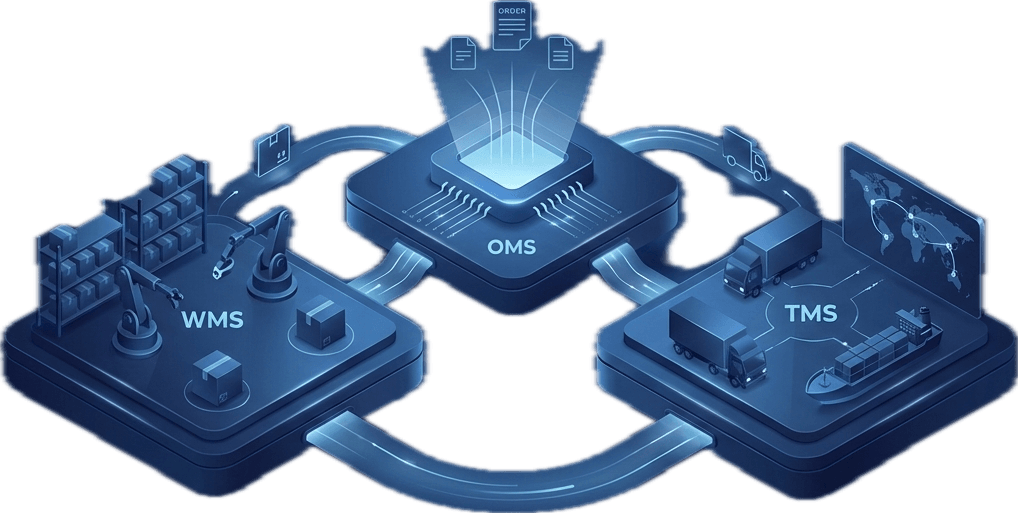
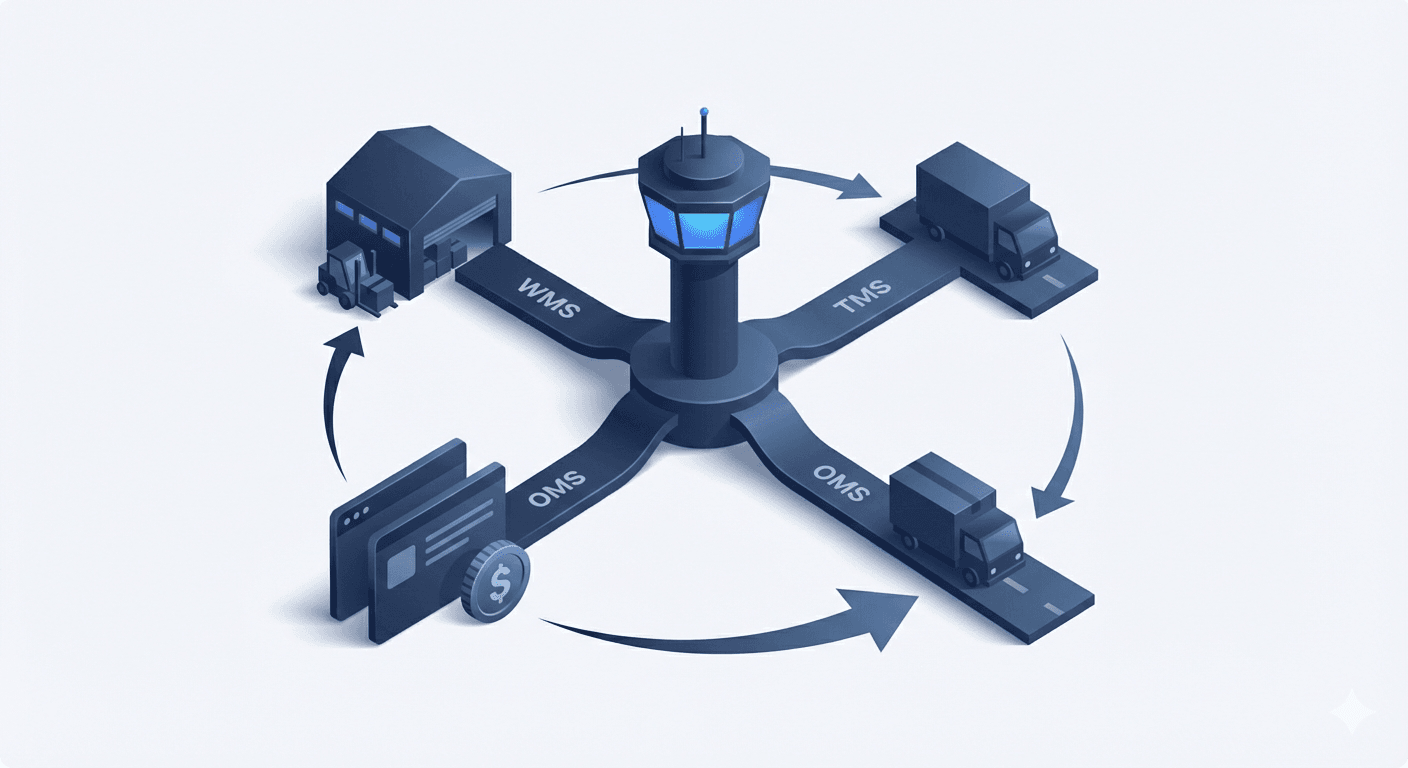
- The WMS acts as the orchestration layer across humans, robots, and equipment
5. The Future of Warehouse Automation: Industry 4.0
As the industry moves toward Warehouse 4.0, warehouse automation will increasingly focus on:
- Increased AI-driven automation across planning and execution
- More advanced robotics for faster fulfilment
- Full IoT integration for real-time tracking and predictive analytics
Warehouses that adopt smart automation typically unlock:
- Lower operational costs
- Higher inventory accuracy
- Faster and more reliable deliveries
- Better end-to-end visibility
Conclusion
A Warehouse Management System (WMS) sits at the heart of warehouse automation, enabling businesses to connect robotics, IoT, and AI to daily operations. From robotic picking to predictive maintenance, automation is reshaping modern supply chains.
Businesses investing in automated warehouse solutions can reduce costs, increase efficiency, and scale fulfilment with confidence.
Call to Action
If you’re looking to future-proof your warehouse, now is the time to invest in WMS automation. Work with a WMS provider that supports robotics integrations, IoT visibility, and AI-powered optimisation to modernise your operations.
Want this tailored for a specific industry like e-commerce, 3PL, or retail?
Share On