Real-Time Order Tracking Systems for Better Delivery (2026)
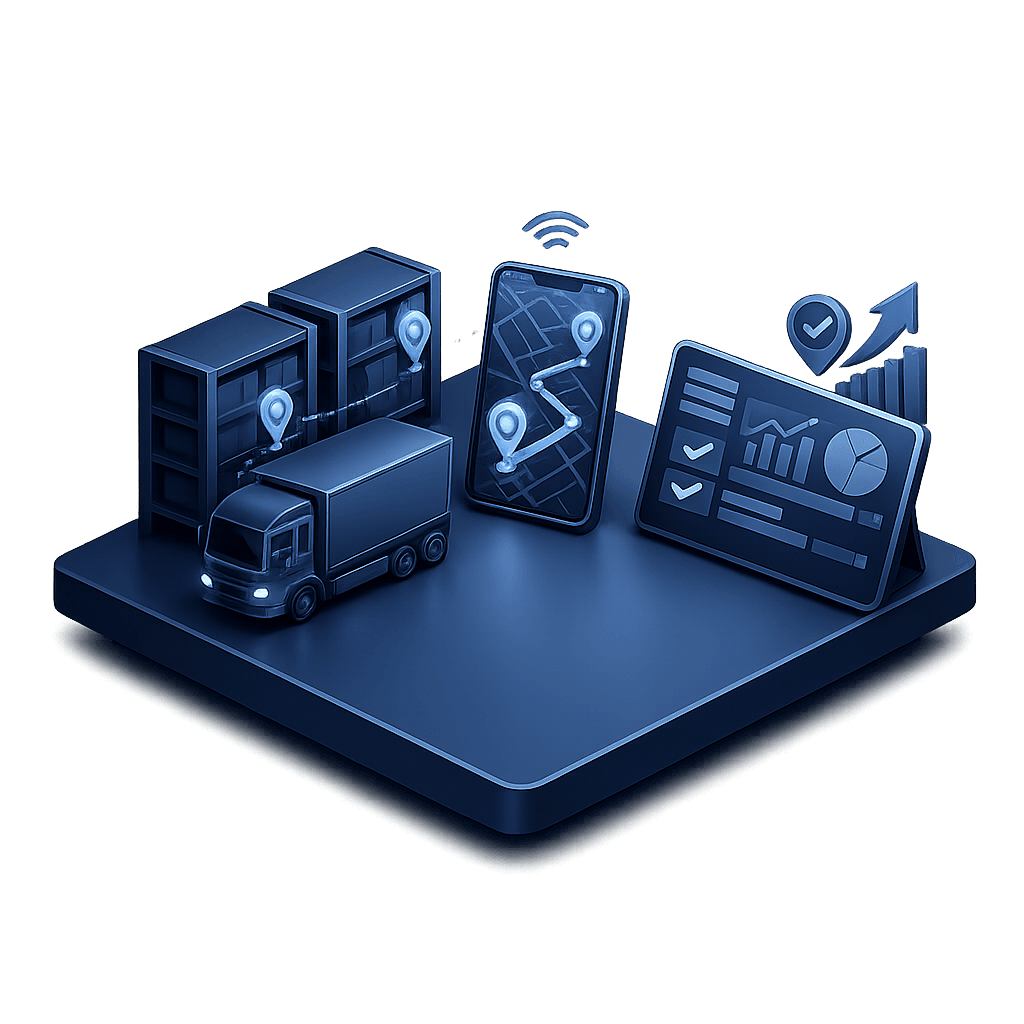
Table of Contents

Share On


Real-Time Order Tracking Systems for Better Delivery (2026)
Summary
A modern transportation management system (TMS) plays a critical role in enabling real-time order tracking systems that provide complete visibility into shipments, delivery progress, and carrier performance. In 2026, businesses across logistics, e-commerce, and supply chain operations rely on real-time tracking to improve delivery transparency, reduce delays, and enhance customer experience.
Real-time tracking systems allow companies to monitor shipment status, estimated arrival times, and logistics performance metrics through integrated carrier networks and GPS-enabled tracking. By combining TMS reporting and analytics, carrier integrations, and delivery visibility dashboards, organizations can track logistics KPIs, improve on-time delivery performance, and optimize transportation operations. This guide explains how real-time order tracking works, why it matters for modern logistics, and how companies use transportation analytics to improve delivery reliability and customer satisfaction.
Content
What is a Transportation Management System (TMS)
A transportation management system (TMS) is a logistics software platform used to plan, execute, monitor, and optimize transportation operations across supply chains. It enables businesses to manage shipments, track deliveries, analyze carrier performance, and monitor logistics operations in real time.
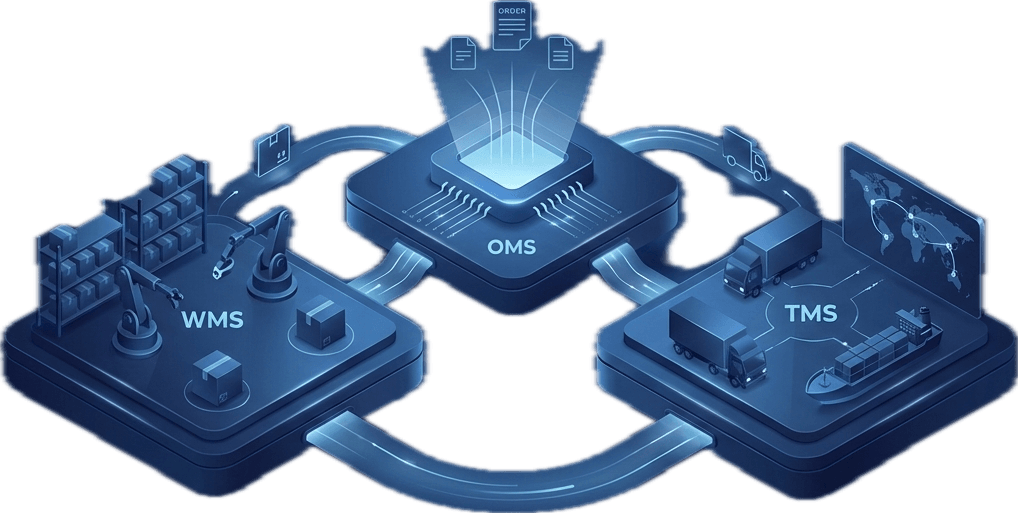
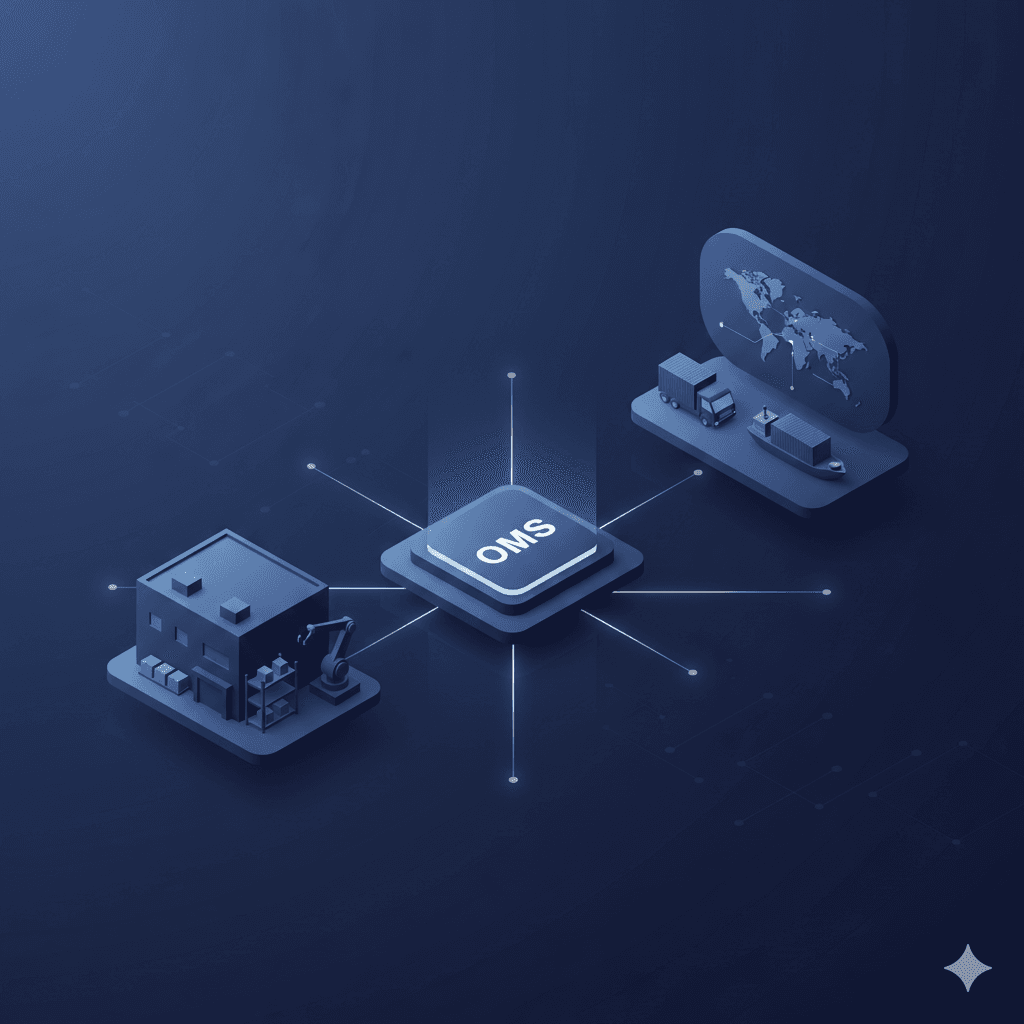
Modern TMS platforms integrate with:
- Shipping carriers
- GPS tracking systems
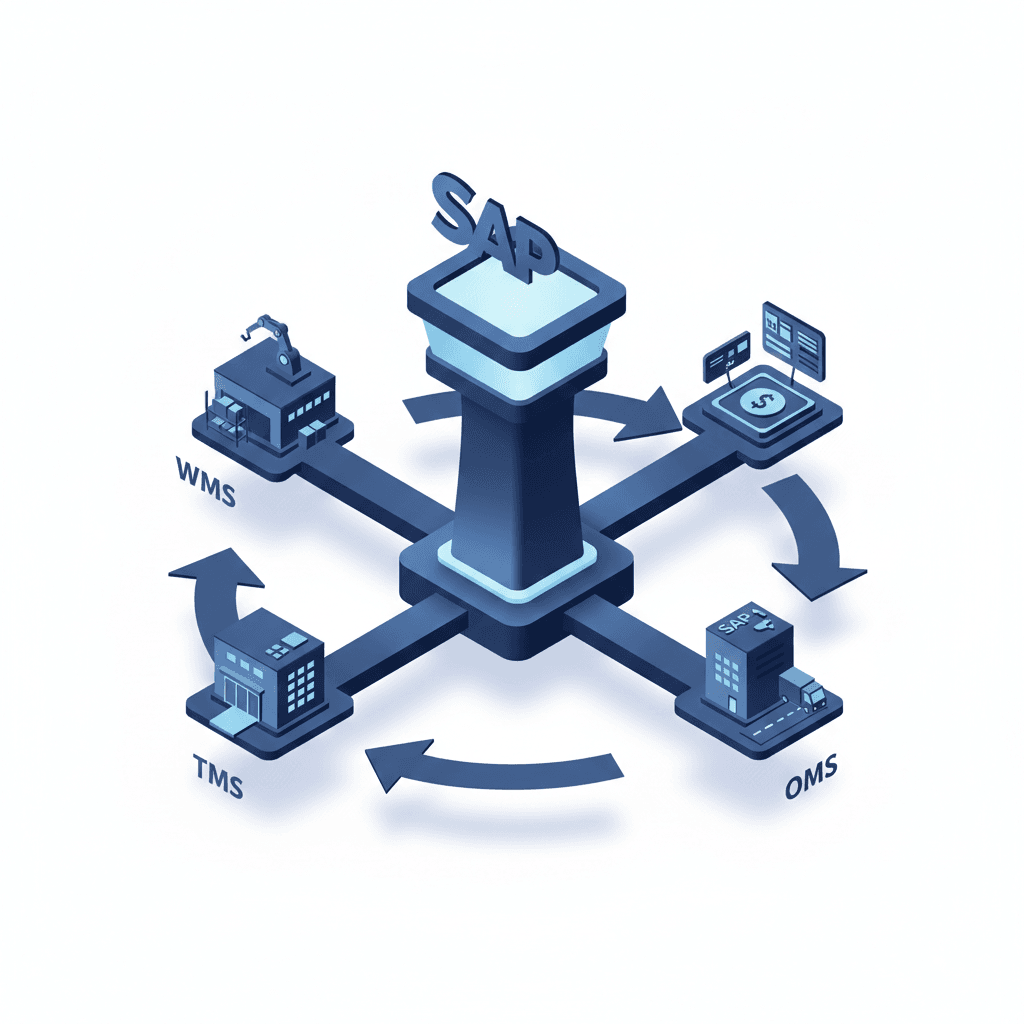
- Warehouse management systems
- Order management systems
- Delivery applications
These integrations enable real-time order tracking systems that provide continuous shipment visibility.
Core Capabilities of a TMS
A transportation management system typically provides the following functionality:
| Capability | Description |
|---|---|
| Shipment Planning | Optimize routes and carrier selection |
| Real-Time Shipment Tracking | Monitor shipment status and location |
| Carrier Performance Analytics | Evaluate carrier reliability and performance |
| Delivery Visibility | Provide customers with live delivery updates |
| Logistics KPI Tracking | Measure transportation performance |
Because of these capabilities, a TMS acts as the central intelligence layer for transportation operations.
Why Real-Time Order Tracking Systems Are Important
Real-time shipment visibility has become a fundamental expectation in modern logistics.
Customers increasingly expect:
- Delivery notifications
- Live shipment tracking
- Accurate estimated delivery times
- Immediate delay updates
Without real-time order tracking systems, businesses struggle to provide transparency to customers and operations teams.
Key Benefits of Real-Time Tracking
| Benefit | Impact |
|---|---|
| Delivery Transparency | Customers know shipment status |
| Reduced Customer Support Requests | Customers can self-track deliveries |
| Improved On-Time Delivery KPI | Operations teams identify delays early |
| Better Carrier Accountability | Carrier performance can be monitored |
| Operational Efficiency | Logistics teams gain shipment visibility |
These benefits significantly improve customer experience and logistics performance metrics.
How Real-Time Order Tracking Works
Real-time order tracking systems collect shipment data from multiple sources and display it through dashboards, APIs, and customer tracking pages.
Key Data Sources for Tracking
Tracking systems typically gather data from:
- Carrier APIs
- GPS-enabled delivery vehicles
- Driver mobile apps
- Warehouse dispatch systems
- Package scanning events
This data flows into a transportation management system (TMS) where it is processed and displayed.
Shipment Tracking Data Flow
Each step generates tracking events that are captured by the TMS.
Key Features of Real-Time Order Tracking Systems
Modern logistics platforms include several advanced tracking features.
1. Live Shipment Visibility
Operations teams can monitor shipment progress in real time.
Tracking dashboards display:
- Shipment location
- Delivery progress
- Estimated arrival time
- Carrier status updates
This visibility improves decision-making across logistics operations.
2. Estimated Time of Arrival (ETA)
One of the most valuable tracking features is dynamic ETA prediction.
ETA algorithms analyze:
- Traffic conditions
- Delivery routes
- Carrier performance history
- Current shipment location
Accurate ETA predictions help businesses improve on-time delivery KPI performance.
3. Delivery Notifications
Real-time tracking systems provide automated notifications such as:
- Shipment dispatched
- Out for delivery
- Delivery delayed
- Delivered confirmation
These notifications improve customer communication and delivery transparency.
4. Carrier Performance Analytics
Tracking systems also provide analytics on carrier performance.
Important metrics include:
| Metric | Description |
|---|---|
| On-Time Delivery Rate | Percentage of shipments delivered on time |
| Average Delivery Time | Time taken for shipment completion |
| Delivery Delays | Frequency of delays |
| Carrier Reliability | Performance comparison between carriers |
These insights support supply chain carrier evaluation.
5. Logistics KPI Monitoring
Modern TMS platforms track key logistics metrics such as:
- Delivery success rate
- Failed delivery attempts
- Transit time
- Shipment throughput
These metrics help businesses improve logistics KPIs in 2026.
How Real-Time Tracking Improves Customer Experience
Customers today expect Amazon-like delivery visibility.
Real-time order tracking systems provide:
- Live shipment updates
- Accurate delivery timelines
- Delivery notifications
- Transparent shipment progress
Customer Benefits
| Feature | Customer Experience Benefit |
|---|---|
| Live tracking | Increased transparency |
| Delivery alerts | Reduced uncertainty |
| ETA updates | Better planning |
| Delay notifications | Improved trust |
When customers can track their shipments easily, businesses receive fewer support inquiries.
Real-Time Tracking for Logistics Operations
Real-time tracking does not only benefit customers. It also improves internal logistics operations.
Operational Benefits
Logistics teams can use tracking insights to:
- Identify shipment delays early
- Adjust delivery routes
- Monitor driver performance
- Improve delivery planning
These improvements enhance warehouse and transportation coordination.
Logistics KPIs Enabled by Real-Time Tracking
Modern logistics operations rely heavily on performance metrics.
Key logistics KPIs 2026 include:
| KPI | Description |
|---|---|
| On-Time Delivery KPI | Percentage of shipments delivered within promised time |
| Delivery Success Rate | Completed deliveries vs failed attempts |
| Average Transit Time | Time shipments remain in transit |
| Carrier Delay Rate | Frequency of delayed shipments |
| Cost per Delivery | Transportation cost efficiency |
Tracking these metrics enables data-driven logistics optimization.
Real-Time Tracking in the MENA Logistics Market
In regions such as the Middle East and North Africa (MENA), real-time tracking has become essential for logistics operations.
Several factors drive this adoption:
- Rapid e-commerce growth
- High customer expectations
- Complex last-mile delivery environments
- Multi-carrier shipping networks
Companies use transportation analytics MENA platforms to improve delivery reliability.
Step-by-Step Implementation of Real-Time Tracking Systems
Implementing real-time tracking requires a structured approach.
Step 1: Integrate Carrier APIs
Businesses must integrate shipping carriers with their transportation management system (TMS).
This enables automatic shipment updates.
Step 2: Enable Shipment Event Tracking
Tracking systems capture events such as:
- Pickup
- Transit updates
- Delivery attempts
- Final delivery confirmation
These events populate tracking dashboards.
Step 3: Deploy GPS Tracking
For fleet-based logistics operations, GPS tracking provides accurate location updates.
This is common in:
- Last-mile delivery fleets
- Logistics distribution networks
- Courier services
Step 4: Implement Customer Tracking Portals
Customers should be able to track shipments through:
- Web tracking pages
- Mobile applications
- Order confirmation links
This improves customer transparency.
Step 5: Analyze Logistics Data
Once tracking data is collected, businesses can analyze:
- Delivery delays
- Carrier reliability
- Delivery routes
This supports carrier performance analytics.
Best Practices for Real-Time Order Tracking Systems
Provide Accurate Delivery Updates
Customers should receive consistent and accurate shipment updates.
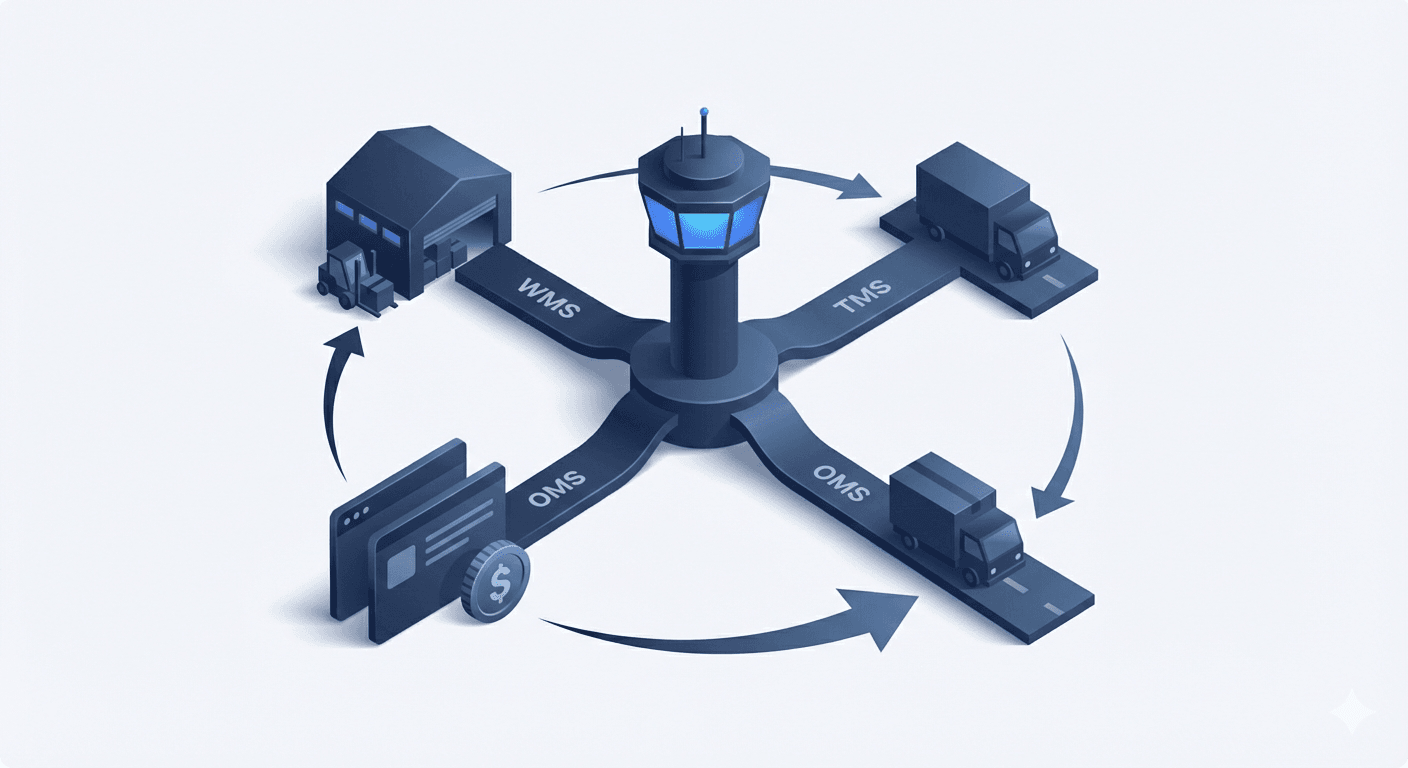
Integrate All Logistics Systems
Tracking systems should connect with:
- WMS
- OMS
- Carrier platforms
This ensures accurate data synchronization.
Monitor Logistics Performance Metrics
Businesses should continuously analyze logistics performance metrics to improve operations.
Optimize Carrier Selection
Use carrier analytics to select the most reliable carriers.
Common Mistakes in Shipment Tracking Systems
Lack of Carrier Integration
Without direct carrier integrations, tracking data becomes unreliable.
Delayed Tracking Updates
Late updates reduce customer trust.
Poor Delivery Communication
Customers should always receive delivery status updates.
Ignoring Logistics Analytics
Tracking data must be used for operational improvements.
Expert Tips for Improving Delivery Visibility
Logistics experts recommend several strategies for improving shipment visibility.
Use Predictive Delivery Analytics
Predictive analytics can anticipate delivery delays.
Track Driver Performance
Driver behavior affects delivery reliability.
Monitoring driver metrics improves performance.
Combine Tracking with Route Optimization
Real-time tracking should work alongside route optimization tools.
Use Advanced TMS Reporting
Modern TMS reporting and analytics platforms provide deep operational insights.
Conclusion
Real-time order tracking systems have become essential for modern logistics operations. Powered by advanced transportation management systems (TMS), these platforms provide businesses and customers with full visibility into shipment progress, delivery status, and carrier performance.
By implementing real-time tracking capabilities, businesses can improve on-time delivery KPI performance, reduce operational delays, and enhance customer experience. Logistics teams gain valuable insights into carrier performance analytics, while customers benefit from transparent shipment tracking.
As logistics networks grow more complex in 2026, companies that adopt real-time order tracking systems will achieve higher operational efficiency, improved delivery reliability, and stronger customer satisfaction.
Share On